WATCH: Onezwa Mbola sets boundaries online amid body-shaming backlash


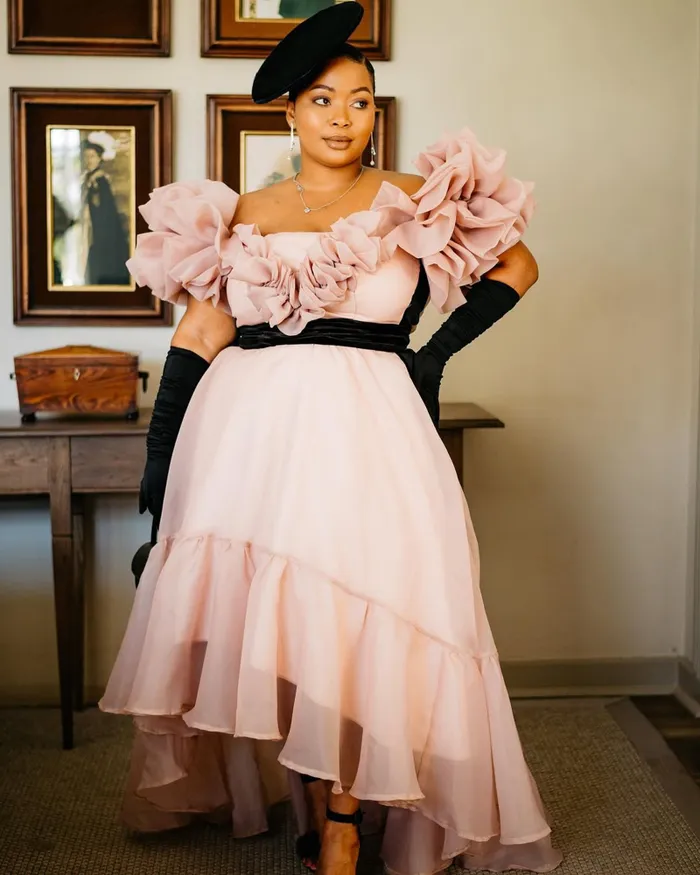
South African cook Onezwa Mbola is using her platform to speak out against the intense scrutiny women face over their bodies as she prepares to launch her upcoming book.
Image: Instagram/Onezwa Mbola
In the rolling hills of the Eastern Cape, Onezwa Mbola brings a gentle, steady energy to everything she does.
On our screens, she creates izinto zamandulo (ancient things), a world shaped by the sound of enamel, the warmth of fire and the quiet pride of a life rooted in the land.
Her upcoming book, " A Food Love Story", was supposed to be her big, "pinch-me" moment.
It’s a beautiful tribute to her late mother and a celebration of the intentional, farm-to-table life she’s built from scratch in the Eastern Cape.
But just as she should be celebrating her hard work, a dark cloud has moved in over the garden. The thing is, it isn't coming from the weather; it’s blowing in directly from her comments section.
The "udliwa yini (what's 'eating' you)" autopsy
While Mbola is busy serving us peace and quiet, a corner of the internet has developed a hunger for something she never actually put on the menu: her body.
Underneath her beautiful videos, the question “Udliwa yini?” (What is eating you?) has become this annoying, constant background noise she just can't seem to shake.
In a recent, raw address to her community, Mbola dropped the 'curated' veil to speak directly to the camera about the one thing she begged us to ignore.
“So I think it's important that I explicitly say something; over the last year, I have lost a lot of weight, and I decided not to share my weight loss journey.”
“And when I say that I don't want to talk about my body, people seem to think that I am hiding something, but I have terrible body image issues.”
“But what is happening... is people upholding my boundary and people defending what they think is their right to comment on my body.”
This is the clinical manifestation of parasocial entitlement, a digital-age pathology where audiences feel a distorted sense of ownership over a creator’s private reality.
Research in Cyberpsychology, behaviour, and social networking suggests that prolonged exposure to "lifestyle" content blurs emotional boundaries, leading followers to believe that because we gave her a "like," she owes us an explanation.
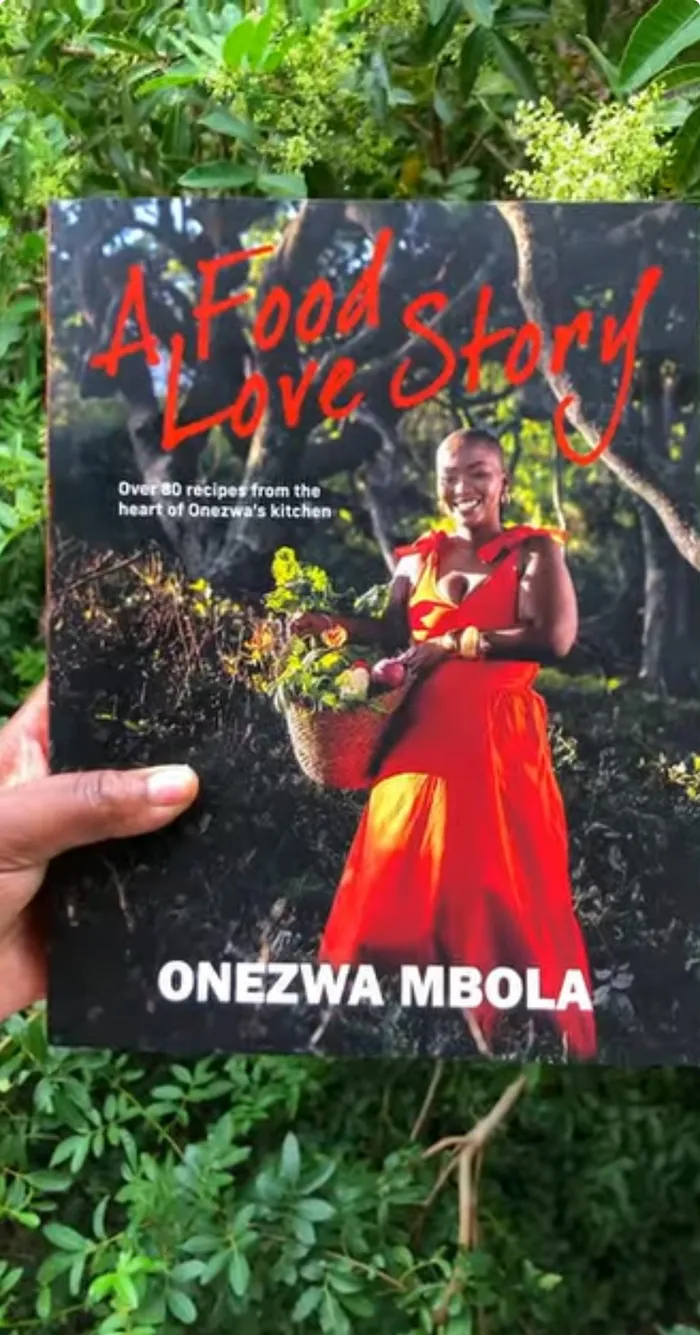
Onezwa Mbola's upcoming book, "A Food Love Story".
Image: Instagram
“I don't want to draw any more attention to my body. When I was fat, I had people commenting on my videos, 'Why don’t you make Ozempic from scratch?’ to a point where I decided that I don't want to appear in the videos anymore.”
“And to have people commenting on my body now makes me so uncomfortable that I don't want to appear in my videos anymore."
A woman whose entire brand is built on sustainability and food sovereignty was being asked to recreate a pharmaceutical shortcut for the sake of a trend.
The internal landscape, living with body dysmorphia
At the core of this conversation is something far more complex than weight loss: Body Dysmorphic Disorder.
“I’ve always had body dysmorphia,” she shared in her TikTok video. “I hated my body when I was skinny. I hated my body when I gained weight. I hate my body now that I have lost weight. ”This is the part we don’t talk about enough.
Weight loss is often presented as the key to happiness and confidence. But for many people, it does not change how they feel inside.
Studies in the Journal of Eating Disorders show that body dissatisfaction can continue even after physical changes, especially for women facing social beauty pressures.
“And to have people commenting on my body now makes me so uncomfortable… I don’t want to appear in my videos anymore.”
Mbola revealed that the scrutiny has become so violent that it’s stealing her joy. “In the midst of the skinny epidemic, I don’t ever want to use my platform to talk about weight loss, skinniness, and diets,” she asserted. To her, it’s a “slippery slope to demonising food.”
In the world of growing, raising and foraging in the Mbola universe, fed is best, and all food is good food. She lost weight for her own reasons, and that is where the story ends.
“I think it should be common sense,” she noted with a sharp, necessary clarity, “that if someone does not talk about something... it should not be your place to bring it up.”
As we wait for "A Food Love Story" to hit the shelves, we are left with a vital lesson in digital manners.
Mbola has spent years teaching us how to grow things from the earth, but she is finally teaching us something more important: just because she invites us to the table, it doesn't mean we own the chef.
The harvest is hers. The recipes are ours to recreate. The body is off-limits.