How to trick your brain into sleeping in a new place: the science of the first-night effect


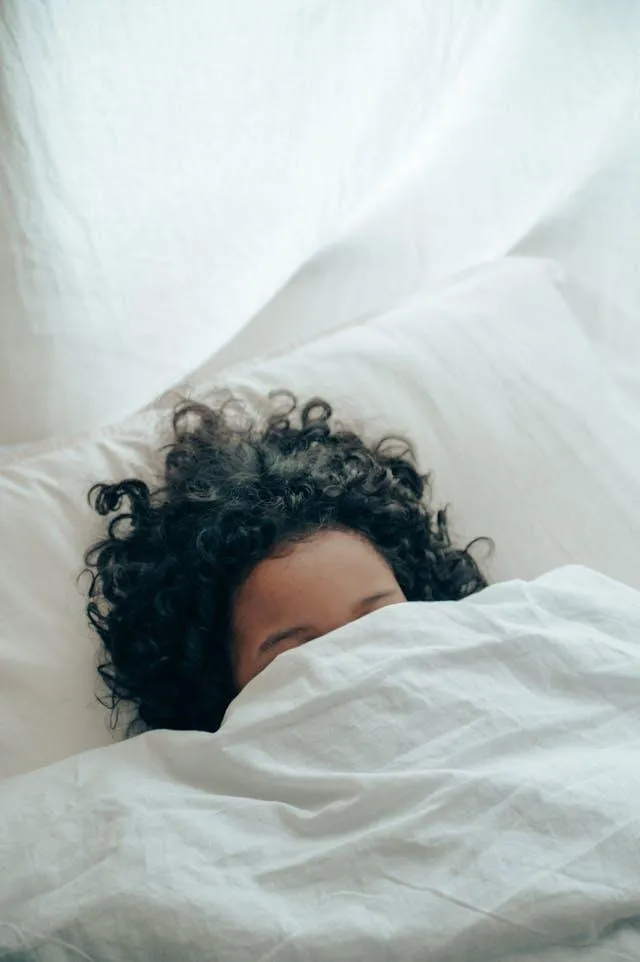
The first night in a new setting may be challenging, but understanding the science behind it can empower you to take simple steps toward more restful sleep
Image: Ketut Subiyanto/P
You’ve finally arrived. The hotel room is beautiful. The sheets are crisp, the lighting soft, the duvet feels like a cloud. You should be drifting into the most luxurious sleep of your life.
Instead, you’re staring at the ceiling at 2.13am.
The air conditioner hums like it’s plotting something. The hallway footsteps feel suspiciously loud. You’re hyper-aware of every sound: the lift dinging, someone closing a door three rooms away, even the unfamiliar scent of laundry detergent on the pillowcase.
If you’ve ever spent your first night in a hotel, Airbnb or friend’s spare bedroom tossing and turning, congratulations: your brain is simply doing its job. But why does this happen so consistently?
Sleep scientists call this phenomenon the “first-night effect".
And yes, almost everyone experiences it.
Why your brain refuses to fully sleep in a new place
The first-night effect (FNE) is one of the most widely documented quirks in sleep science. Researchers have studied it for decades, observing that people tend to experience lighter sleep, more awakenings and less deep sleep during their first night in an unfamiliar environment.
The reason isn’t complicated. Your brain is simply still on security duty.
Research from Brown University found something remarkable while studying sleeping brains: one hemisphere of the brain remains more alert during the first night in a new place.
In other words, while part of your brain sleeps, another part stays quietly on watch.
It’s an evolutionary safety feature.
Lead researcher Yuka Sasaki explained that the left hemisphere of the brain shows reduced deep sleep activity, almost as if it were acting as a night guard scanning the environment for unfamiliar sounds or potential threats.
Think of it as the brain’s ancient survival instinct whispering: We don’t know this cave yet.
Your brain’s built-in night watch
The concept might sound strange, but nature does it all the time.
Birds and dolphins, for example, often sleep with half their brain awake to stay alert for predators. Humans appear to have a softer version of that same biological safeguard.
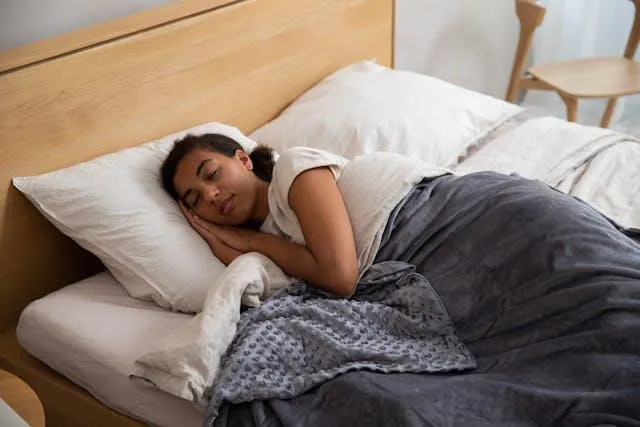
Sleep specialists suggest recreating familiar aspects of your usual sleep environment
Image: Niels from Slaapwijsheid./P
When you sleep somewhere new, your brain subconsciously monitors:
- Strange background noises.
- Changes in temperature or light.
- Unfamiliar smells.
- A bed or pillow that feels different from home.
The result of this is restless sleep, frequent waking and a groggy morning.
Which explains why the first day of vacation can sometimes feel like you’re exploring a city while running on one hour of sleep.
Why is the second night always better
Think of your brain as a lifelong work in progress. It’s not a hardwired machine; it’s more like "mental play-dough" that constantly rewires and reshapes itself based on everywhere you go and everything you do.
By the second night, sleep patterns usually return to normal. Once your brain recognises the environment as safe, it finally allows deeper, restorative sleep.
This is why travellers often report crashing hard on night two. Your brain simply stops guarding the door.
Even rearranging your bedroom at home can trigger a mild version of the effect.
Yes, your brain is that sensitive.
How to trick your brain into sleeping better
While you can’t eliminate the first-night effect, you can soften it. Sleep specialists recommend recreating small pieces of your usual sleep environment.
Some surprisingly effective strategies include:
- Bring something from home.
- Bringing a familiar pillowcase or scarf introduces smells from home that help your brain identify the new space as safe, making it easier to relax.
- Use white noise
- A consistent sound masks unfamiliar noises that trigger alertness.
- Control the room environment.
- Cool temperatures, dim lighting and blackout curtains mimic natural sleep cues.
- Create a wind-down ritual.
- Gentle stretching, deep breathing or reading signals safety to the nervous system.
- Avoid caffeine late in the day.
- Your brain is already alert; caffeine only adds fuel to the fire.