The three iconic bredies every South African should know how to make


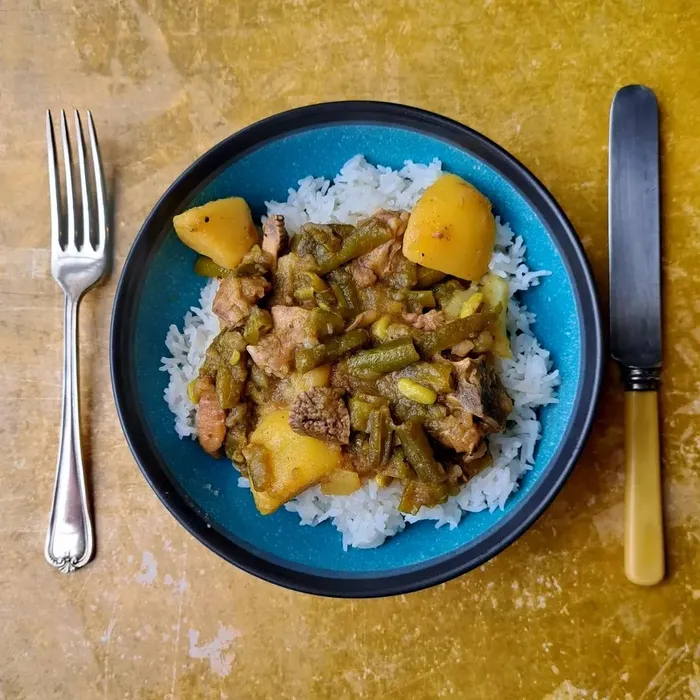
Bredie remains deeply woven into the country’s food culture, especially during colder months when hearty, slow-cooked meals become essential.
Image: Instagram / trou.vrou
There are some dishes that instantly transport you back home with just one smell drifting from the kitchen. For many South Africans, bredie is one of them.
Growing up, my mother made a bredie at least once a week. It was the kind of meal that quietly brought everyone to the table without needing an announcement.
The pots simmered slowly, the house filled with warmth, and somehow the food always tasted even better the next day.
My favourite then, and still now, is tomato bredie. In my own home, though, the cabbage bredie is always the winner.
Most South Africans would have had their fair share of bredie over the years.
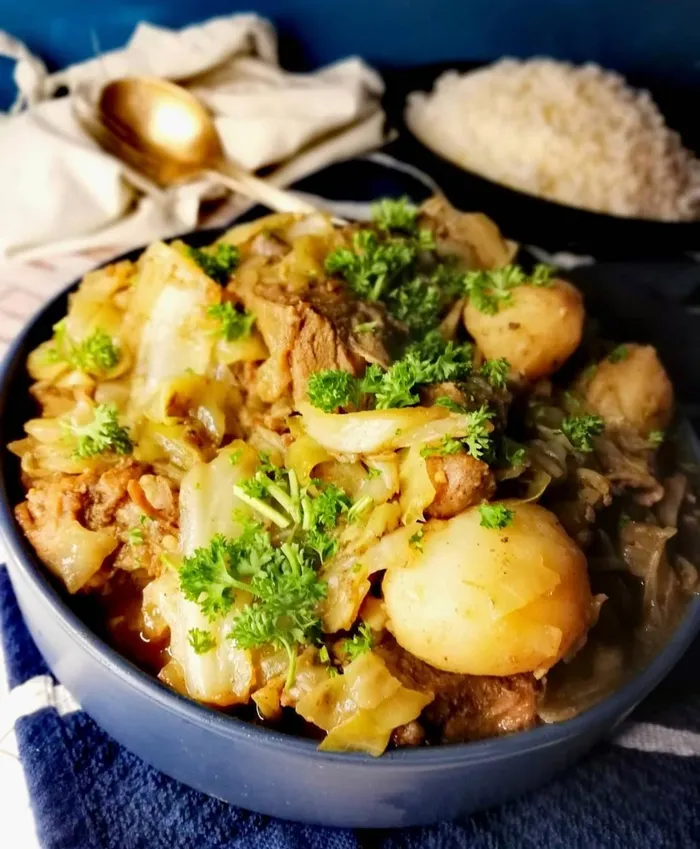
Cabbage bredie is a family favourite.
Image: Instagram / my_cape_town_kitchen
Whether served with fluffy white rice, mashed potatoes or a thick slice of bread to soak up the sauce, it remains one of the country’s most comforting and beloved dishes.
While there are many variations of bredie, three stand out as the most iconic. Tomato bredie, cabbage bredie and green bean bredie are the kinds of meals that have been passed down through generations, each family adding its own little touch along the way.
What many people do not realise is that the word “bredie” itself actually has roots in Malaysia.
Although it is closely associated with Afrikaans cooking today, the dish and cooking style were introduced to the Cape by the Cape Malay community, many of whom were brought to South Africa by the Dutch East India Company from present-day Indonesia and Malaysia.
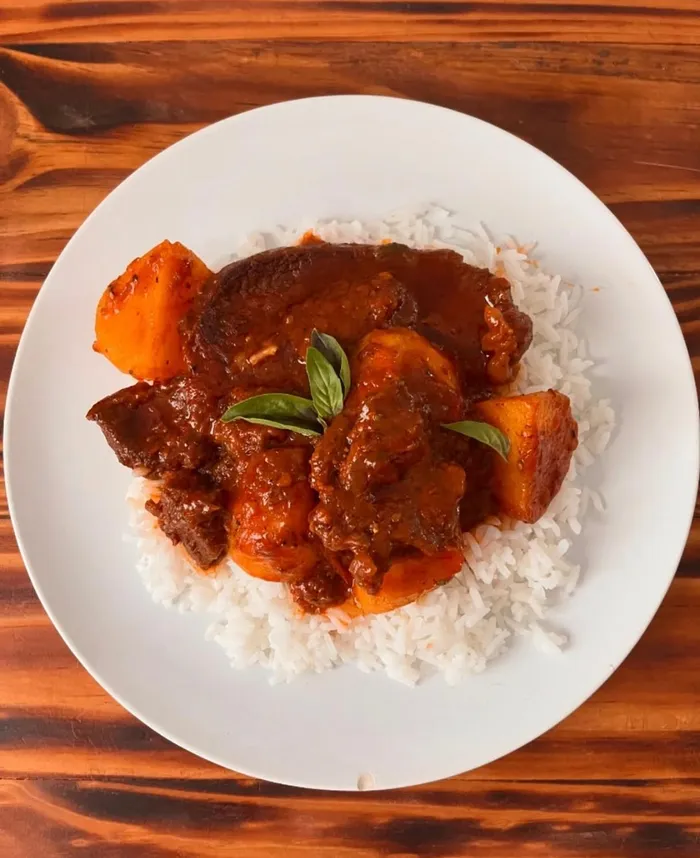
Tomato bredie is an all-time favourite.
Image: Instagram / cookingwithme
Originally, the word referred to a type of oriental spinach, but over time it evolved into the name for a slow-cooked stew where vegetables are simmered with meat, most commonly mutton.
The result was a uniquely South African dish shaped by different cultures, traditions and ingredients available at the Cape.
Today, bredie remains deeply woven into the country’s food culture, especially during colder months when hearty, slow-cooked meals become essential.
Tomato bredie
Tamatiebredie is arguably the king of all bredies. Rich, slightly tangy and deeply savoury, it is one of South Africa’s most famous comfort foods.
The beauty of tomato bredie lies in how simple ingredients transform into something incredibly flavourful after hours of slow cooking.
The tomatoes break down into a thick sauce that coats tender meat and fills the kitchen with an unmistakable aroma. Many South Africans also swear that tomato bredie tastes even better the next day, once all the flavours have settled properly.
For many families, this is the bredie most tied to childhood memories and Sunday lunches. It is hearty without being heavy and delivers that perfect balance between sweetness and acidity that keeps people going back for another spoonful.
Cabbage bredie
Cabbage bredie may not always get the same spotlight as tomato bredie, but it is a firm favourite in countless South African homes.
When cooked slowly, cabbage softens beautifully and absorbs all the richness of the sauce and meat. The end result is a deeply comforting dish with a mild sweetness that makes it especially satisfying during winter.
In many households, cabbage bredie is considered proper home cooking. It is affordable, filling and capable of feeding a crowd, which is probably why it has remained so popular across generations.
The simplicity of the dish is exactly what makes it special. There is nothing flashy about it, yet it delivers the kind of warmth and nostalgia people crave when temperatures drop.
Green bean bredie
Green bean bredie is another classic that deserves its place among South Africa’s most-loved traditional dishes.
Unlike tomato bredie, which is rich and saucy, green bean bredie has a slightly earthier flavour profile.
The beans become soft and tender during cooking while still holding enough texture to give the stew character.
Combined with slow-cooked meat and fragrant spices, it creates a meal that feels both rustic and deeply comforting.
For many South Africans, green bean bredie is closely linked to family gatherings and winter dinners around the table.
It is one of those dishes that quietly carries tradition forward with every generation that learns how to make it.
What makes bredie so special is not just the ingredients or cooking method. It is the feeling attached to it. These are dishes built around patience, comfort and bringing people together.
In a country filled with diverse flavours and food traditions, bredie remains one of the clearest examples of South African cooking at its best. It tells a story of history, resilience and cultural fusion, all simmered together in one pot.
And while food trends may come and go, there is a good chance that somewhere in South Africa tonight, a pot of bredie is bubbling away on the stove exactly as it has for generations.
IOL Lifestyle