The weird truth about Easter eggs, bunnies and chocolate


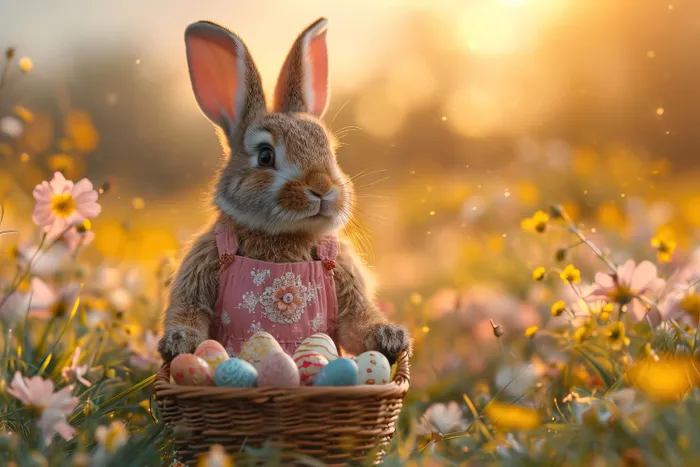
Long before chocolate became a thing, the egg was already an ancient symbol of new life and rebirth.
Image: Freepik
Every year, we hop into Easter like it’s normal to eat chocolate eggs and watch fluffy bunnies “deliver” candy.
But have you ever stopped to ask yourself: why the heck do eggs and rabbits even have anything to do with Jesus rising from the dead?
First things first: Easter itself is a Christian holiday commemorating the belief that Jesus rose from the dead after his crucifixion.
That’s the core reason for the holiday, the resurrection and the idea of new life. Yet, many of the symbols we associate with the season aren’t actually mentioned in the Bible at all.
Take eggs, for instance. Long before chocolate became a popular treat, the egg was already an ancient symbol of new life and rebirth, thanks to its connection with fertility and the promise of spring.
Some early Christians then adapted this symbol to represent the empty tomb of Jesus, viewing the egg’s shell as the sealed tomb and the emerging chick as a metaphor for resurrection.
Decorating eggs to celebrate Easter dates back at least to the Middle Ages, partly because eggs were traditionally forbidden during Lent, so people saved and decorated them to eat once the fast was over.
Basically, humans have been obsessed with eggs since they realised omelettes are life. Now, the bunny. Rabbits are nature’s poster children for fertility; those little fluffballs can multiply faster than TikTok trends.
In medieval Europe, the hare became linked to spring festivals, symbolising new life and… well, the sheer audacity to breed non-stop. Somehow, over the years, the hare morphed into the Easter Bunny, a candy-delivering mascot nobody asked for, but everyone loves.
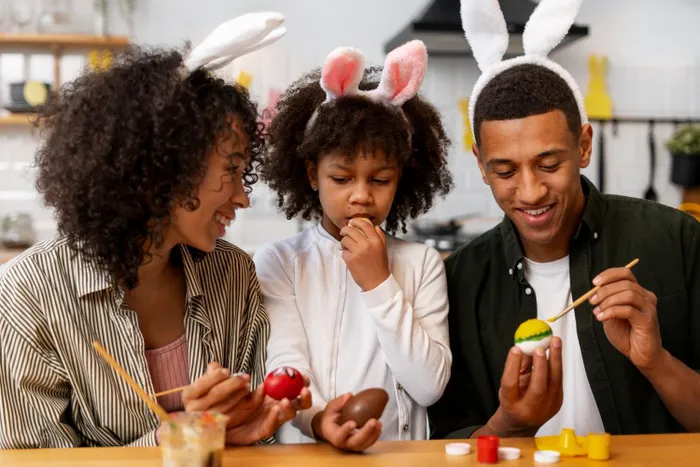
Ancient cultures from Egypt to Rome celebrated the egg as a sign of rebirth and new beginnings.
Image: Freepik
Here’s where it gets weirder: historians think the combination of eggs and bunnies might have started with German immigrants in the 1700s, who brought the idea of an egg-laying hare to America. Somebody thought a rabbit laying eggs was a perfectly normal thing to tell children.
And let’s not forget the chocolate. Somewhere along the way, humans decided that Jesus, eggs, and rabbits deserved to be made of cocoa. Because nothing says resurrection like a sugar rush and sticky fingers.
Sorry to burst your bubble, but if we’re talking Easter, we might as well add this: there’s a theory linking major holidays to the seven deadly sins, and Easter apparently represents lust, thanks to its fertility symbols, bunnies, eggs, and, of course, all the chocolate we overindulge in.
Meanwhile, Christmas is gluttony (think malva pudding, koeksisters, roast beef, and endless mince pies), Valentine’s Day screams lust (roses, chocolates, and romantic dinners), Halloween leans into greed with all the trick-or-treat sweets, and Thanksgiving doubles down on gluttony (okay, we don’t really do Thanksgiving here, but imagine a big Sunday braai with extra pap and wors).
The point isn’t to scandalise, but to show how humans love to layer meaning, symbolism, and a little indulgence onto traditions.
So, is Easter really about religion? Partially. But a huge chunk of the holiday is basically spring, fertility, and humans finding any excuse to celebrate with cute animals and candy.