Taste South Africa this Easter: dishes that bring families together


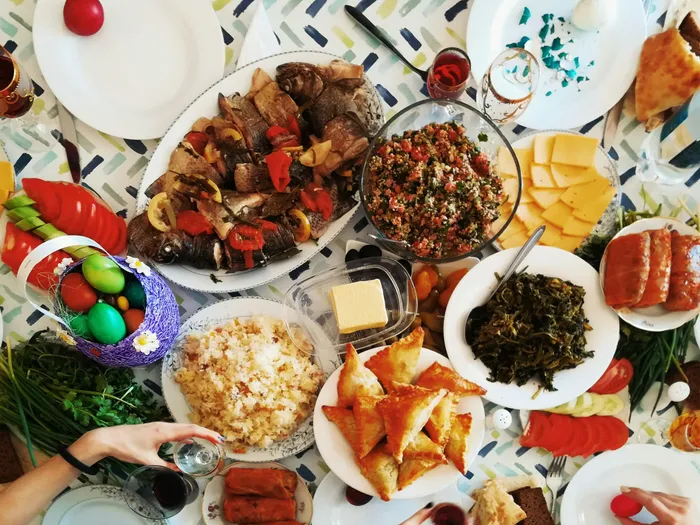
Easter in South Africa is a time to celebrate both faith and family and food plays a central role in bringing people together.
Image: Unsplash/Gor Davtyan
Easter in South Africa is a time of reflection, family gatherings and shared meals.
Each culture brings its own flavours and traditions to the table, offering a variety of dishes that celebrate heritage and togetherness.
From coastal towns to rural villages and city centres, these dishes reflect the diversity of Mzansi.
For many South Africans, fish is central to Easter meals.
In coastal regions, families prepare fresh fish dishes that have been passed down for generations.
Traditional grilled fish or fried fish served with lemon and spices is common. Alongside this, seafood stews with ingredients like mussels, calamari and prawns are often cooked in tomato-based sauces.
These meals highlight the abundance of the sea and the importance of fresh ingredients in coastal communities.
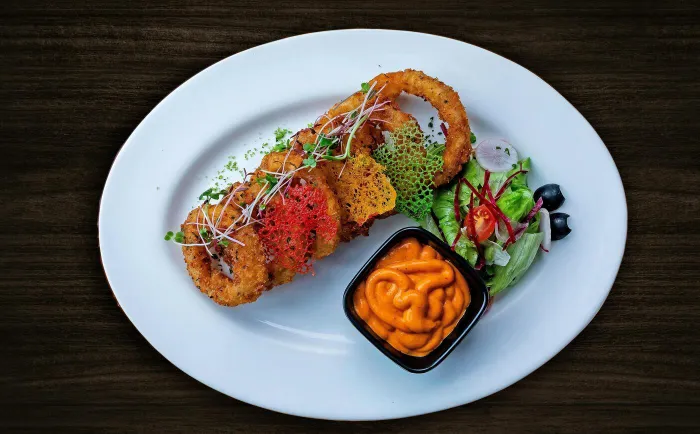
Seafood is a staple in many South African coastal communities, bringing together fresh ingredients from the ocean.
Image: Pexels/Anil Sharma
The Indian South African community brings rich flavours and vibrant spices to the Easter table.
Curries, biryanis and dhal are common dishes that reflect a blend of Indian and local influences. Easter is a time when families prepare meat or vegetable curries that can be shared across generations.
Samoosas, a popular snack, are often made fresh and served as an appetizer. Sweet treats like gulab jamun or coconut laddoos are prepared to celebrate the occasion, adding a festive touch to the table.
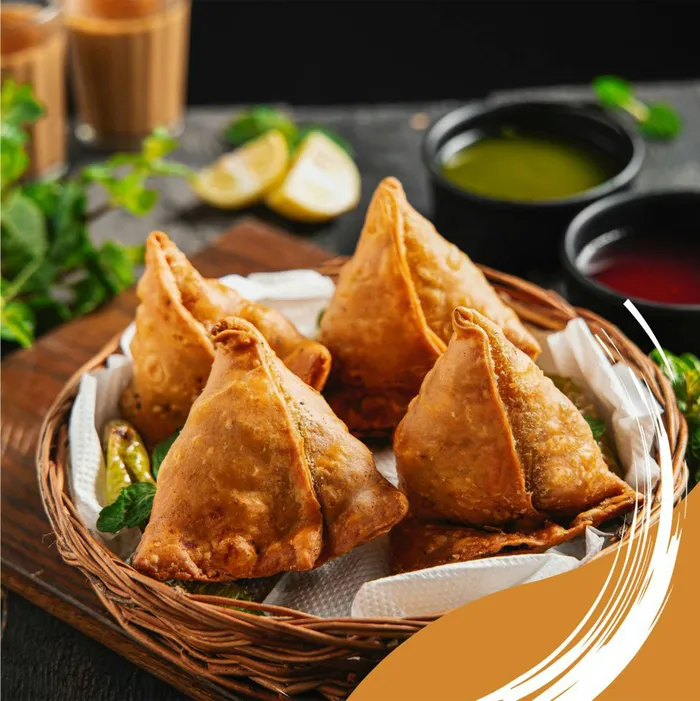
Samoosas are a popular snack in South African Indian households, especially during festive occasions like Easter.
Image: Pexels/Karthikeyan Anand
For the Afrikaans-speaking community, Easter often features roast lamb, a dish that has become synonymous with the holiday.
Lamb is usually seasoned simply with herbs, garlic and salt and cooked until tender.
Accompaniments include roasted vegetables, potatoes and fresh bread. Another staple is pickled fish, served cold with bread or crackers, which has been a tradition for many decades.
Sweet treats are also part of the menu, with milk tart and koeksisters being popular choices that bring families together over dessert.
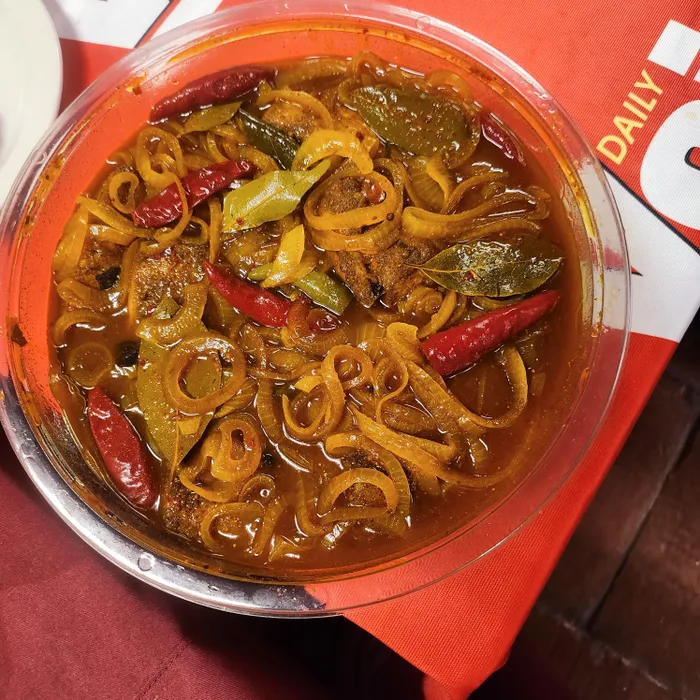
Pickled fish is a traditional Easter dish in many Afrikaans-speaking South African households.
Image: Olwethu Bhozo
The Zulu and Xhosa communities also have distinct Easter food traditions.
Roasted or stewed meats are commonly served, with maize-based sides such as pap, a porridge made from maize meal.
Vegetables are often prepared simply, highlighting fresh, seasonal produce. Some Xhosa families incorporate traditional dishes such as umngqusho, a stew of samp and beans or morogo, wild spinach cooked with onion and tomato.
These meals are a reflection of community values, emphasising sharing and the use of locally sourced ingredients.
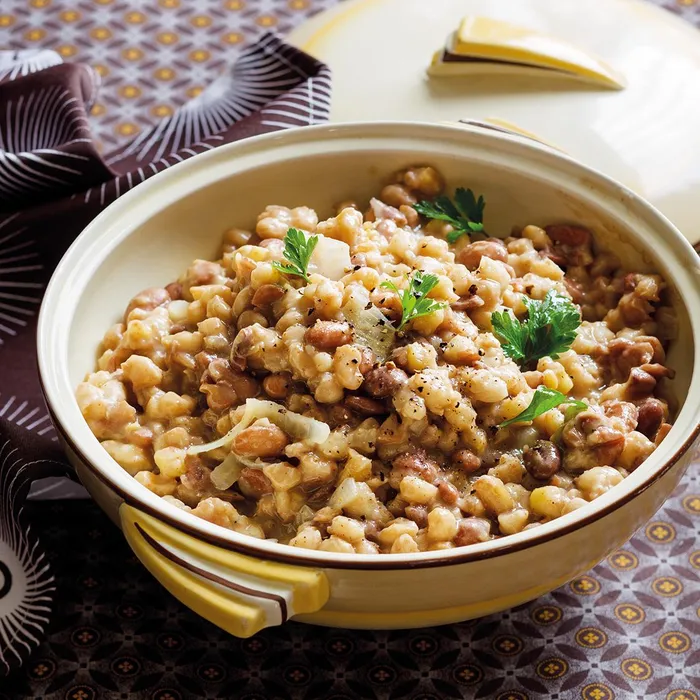
Umngqusho is a traditional dish widely enjoyed in Xhosa households and often served during Easter and other family gatherings.
Image: Pick n Pay
In addition to these main dishes, Easter in SA is a time for baking. Hot cross buns, a treat enjoyed across cultures, are baked and shared among family and friends.
Cakes and biscuits decorated with colourful icing or chocolate eggs are also part of the celebration, bringing sweetness to the table and delighting children.
Easter is more than a holiday in Mzansi; it is a time to honour traditions, connect with family and enjoy the diversity of the country’s food.
Whether it is a plate of fresh fish, a spicy curry, a roast lamb or a simple vegetable dish with pap, each meal tells a story of culture, heritage and togetherness.
Across all communities, Easter meals are a chance to celebrate life, faith and the bonds that bring people together.