Smart play: how balanced holiday activities support your child’s success


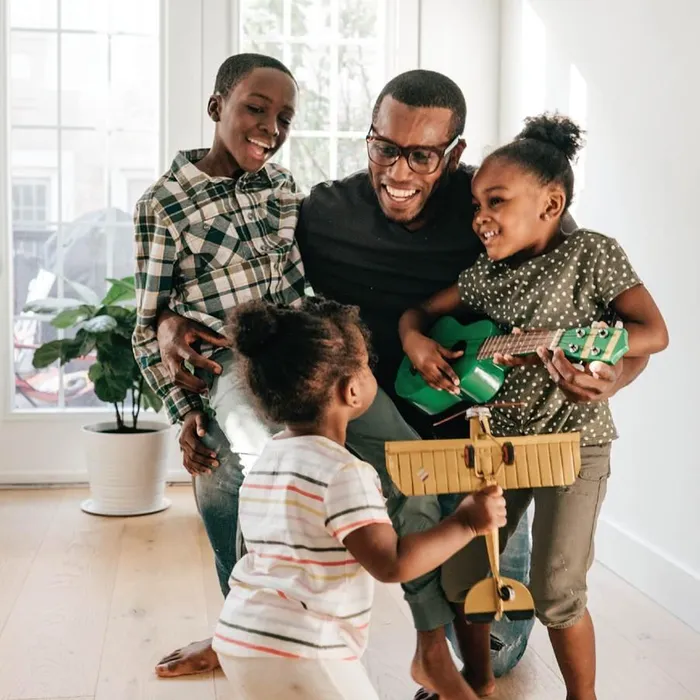
When children only stick to one type of activity, they might miss out on practicing certain skills.
Image: Supplied.
With school holidays in full force, many parents are wondering: “How do I keep my child busy and learning during the break?”
Mari Payne from Sesame Workshop International South Africa (SWISA) says that while holidays mean a break from school, they offer something even better: “Time to play and to move and most excitingly, time to imagine.”
“For some, they mean long trips to grandparents, but for others, they mean long days at home. Children play in the garden, on the street or inside, while adults juggle work, chores and childcare.
“But all children share one thing during the holidays - time. Time to play and to move and most excitingly, time to imagine,” she explains.
She says this time could be well spent trying new things. “We know play is how children learn best. Through play, children grow their bodies and their minds, learning language and building confidence.”
The importance of balanced play
Research shows that play isn't just fun, it’s how children develop their bodies and minds. However, Payne warns that play often doesn't happen evenly.
“Without meaning to, adults often guide children into familiar patterns. One child spends most of the day outside - running, kicking a ball oe climbing. Another spends more time inside - colouring, playing house and helping in the kitchen.
"None of this is wrong but there is a problem when children experience only one kind of play. Each of these play experiences builds important strengths and children benefit most when they also get opportunities to explore a wider mix of play.”
When children only stick to one type of activity, they might miss out on practicing certain skills. This can lead to gaps later in school, not because the child isn't capable, but because they haven't had the chance to practice.
How to support your child this holiday
Payne emphasises that powerful play doesn't have to be expensive.
“What matters is opportunity, a little bit of time and balance.”
Here are five simple ways to mix things up:
Mix movement and calm: Balance high-energy activities like dancing or climbing with quiet tasks like puzzles or storytelling. Active and passive play grow the brain.
Use everyday objects: You don't need fancy toys. Buckets, stones, cardboard boxes, and old clothes are perfect for sparking creativity.
Switch environments: Encourage the "indoor child" to head outside and the "outdoor child" to try something creative inside.
Turn chores into play: Involve children in cooking or washing. These moments build confidence and connection.
Support new interests: If a child wants to try something different, let them explore it without worrying about "expectations". Confidence grows when children feel free to explore without being corrected or limited.
The big picture
By encouraging a variety of play, we help children become more flexible thinkers and confident learners.
“Balanced play is not about making children like the same things. It is about keeping possibilities open. When children are allowed to play in different ways, they grow a stronger sense of who they are and what they can do," concludes Payne.