How our words shape the stigma surrounding diabetes


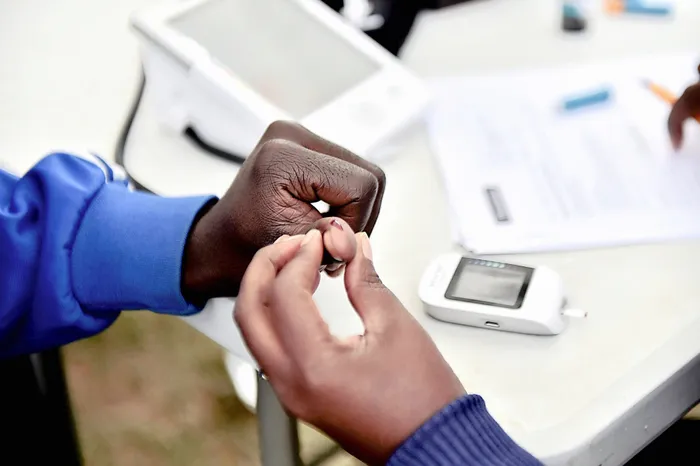
Learn why language matters and how small shifts can lead to greater empathy in people living with diabetes.
Image: Nokuthula Mbatha / Independent Newspapers
The hardest part of living with diabetes for many people is not always the diagnosis, but the stigma that comes with it.
“I am somebody living with diabetes, and I am not a diabetic,” is the message portrayed by a new YouTube video created by the Sweet Life Diabetes Community, as part of a campaign aimed at changing the discourse on diabetes.
Comments such as “you should have eaten better” are still lingering within conversations on diabetes, particularly for those living with type 2 diabetes.
These assumptions not only simplify a complex condition, but they also enforce a stigma which leaves people feeling ashamed, isolated and less open to receiving help.
The Sweet Life diabetes community is working to change the narrative.
The organisation has launched a campaign that aims to reshape the way we speak about diabetes, by encouraging greater empathy as well as compassionate, accurate and human-centred conversations.
As part of the initiative, a short YouTube video highlights how our everyday use of language can influence other people’s experiences of living with the condition and why trying to shift the narrative matters.
The core idea of the campaign is a simple idea that words are not meant to be neutral, campaign founder Bridget McNulty said.
“Changing the narrative is long overdue; it becomes possible to reduce the shame that often surrounds it and makes space for more supportive conversations,” she said.
One of the major issues is how the term “diabetic” can simply reduce a human being to their condition, while labels are unmotivated, it is important to avoid placing blame on individuals rather than acknowledging their lived realities with the chronic condition. The campaign encourages the small but meaningful shifts in our everyday language, for example, saying: “People who live with diabetes” instead of “diabetics”.
Such distinctions may seem subtle, but they have a significant impact. For people living with diabetes, stigma affects everything from their comfort level to sharing their diagnosis and affects their engagement with treatment.
Recognising that it can be as emotionally challenging as it is physically.
Health experts have discovered that the effects of diabetes care beyond medical, mental and emotional support are just as important. Non-judgmental communication is the simplest way to make it more comfortable for people living with this condition to manage their condition in a sustainable way.
The campaign highlights the importance of knowing the different types of diabetes. Type 1 diabetes is an autoimmune condition that cannot be prevented, and it is not connected to one’s lifestyle choices, while Type 2 diabetes can sometimes be associated with lifestyle choices and is far more complex than portrayed to be. Reducing this condition to simple narratives only encourages the stigma.
During this time when conversations about wellness, body image and health are growing and evolving, this campaign serves as another reminder that our choice of words is just as important and that changing the way we use them around diabetes may not solve the whole problem, but it is an important place to begin.
IOL