Mattel introduces its first-ever autistic Barbie doll, reflecting real experiences


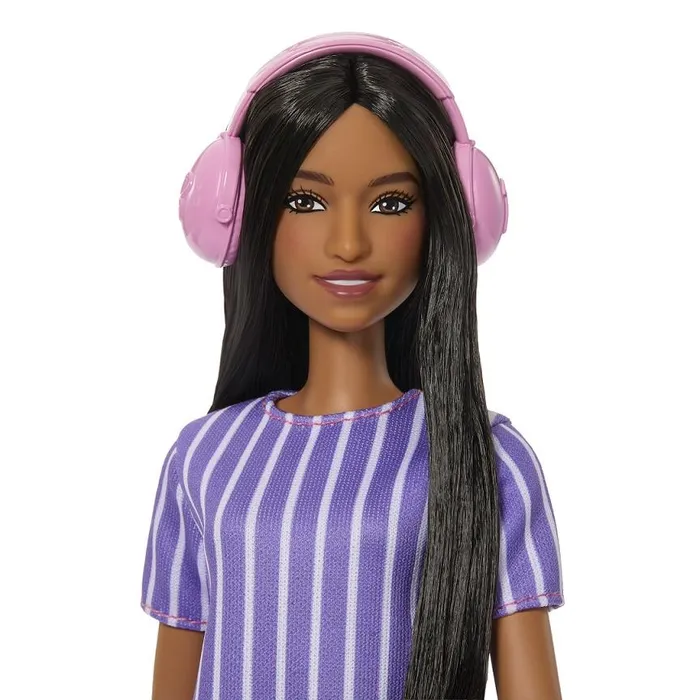
Mattel has introduced its first-ever autistic Barbie doll.
Image: Supplied
Mattel has officially introduced its first-ever autistic Barbie doll, created with direct guidance from the autistic community to reflect how autistic people may experience, process and communicate with the world.
For many families and autistic adults alike, this launch marks a meaningful step forward in representation through play.
The doll was developed over more than 18 months in partnership with the Autistic Self Advocacy Network (ASAN), a non-profit disability rights organisation run by and for autistic people.
It joins the Barbie Fashionistas range, a collection known for celebrating diversity across skin tones, hair textures, body types and disabilities.
“Barbie has always strived to reflect the world kids see and the possibilities they imagine, and we’re proud to introduce our first autistic Barbie as part of that ongoing work,” said Jamie Cygielman, Global Head of Dolls, Mattel.
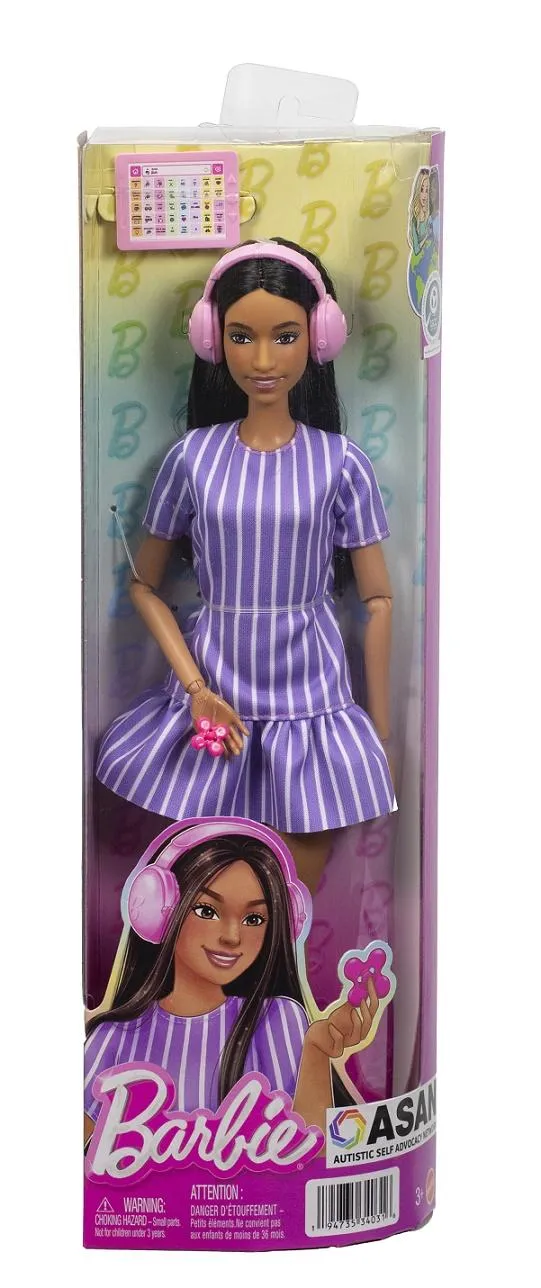
It joins the Barbie Fashionistas range.
Image: Supplied
“The doll, designed with guidance from the Autistic Self Advocacy Network, helps to expand what inclusion looks like in the toy aisle and beyond because every child deserves to see themselves in Barbie."
What makes this Barbie especially significant is the care taken in the design. Every detail was intentional and rooted in lived autistic experiences.
The Barbie design team worked closely with ASAN to ensure the doll reflects real tools, movements and sensory needs that many autistic people recognise.
The doll features a new face sculpt and articulated elbows and wrists.
This allows for movements such as stimming, hand flapping and expressive gestures, which many autistic people use to regulate sensory input or show excitement.
These small details matter, especially for children who rarely see their natural movements represented positively.
The doll’s eye gaze is slightly averted rather than fixed straight ahead, reflecting the reality that some autistic people avoid direct eye contact.
It is a subtle but powerful choice that normalises a common autistic trait instead of framing it as something to correct.
Accessories are another standout feature. The doll comes with a pink finger clip fidget spinner that actually spins, offering a sensory outlet that can help with focus and stress regulation.
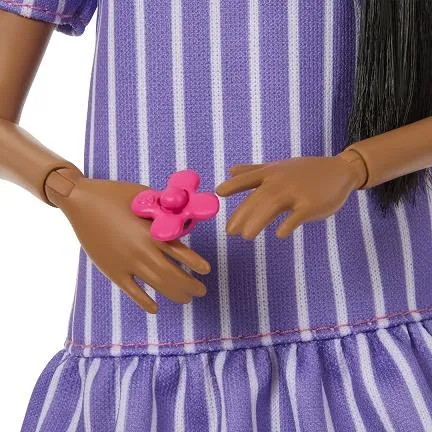
The doll comes with a pink finger clip fidget spinner that actually spins
Image: Supplied
Noise-cancelling headphones rest on top of the doll’s head, acknowledging sensory sensitivity to sound and offering a familiar coping tool many autistic children rely on daily.
There is also a pink tablet displaying symbol-based Augmentative and Alternative Communication apps, known as AAC, highlighting alternative ways of communicating that support independence and expression.
The outfit itself was designed with sensory comfort in mind. The doll wears a loose-fitting purple pinstripe A-line dress with short sleeves and a flowy skirt to reduce fabric-to-skin contact.
Flat purple shoes promote stability and ease of movement, prioritising comfort over aesthetics without sacrificing style.
“As proud members of the autistic community, our ASAN team was thrilled to help create the first-ever autistic Barbie doll. It is so important for young autistic people to see authentic, joyful representations of themselves, and that’s exactly what this doll is. Partnering with Barbie allowed us to share insights and guidance throughout the design process to ensure the doll fully represents and celebrates the autistic community, including the tools that help us be independent. We’re honoured to see this milestone come to life, and we will keep pushing for more representation like this that supports our community in dreaming big and living proud.” said Colin Killick, Executive Director, Autistic Self Advocacy Network (ASAN).
As part of the launch, Barbie is collaborating with advocates within the autistic community, including autism advocate and founder of Africa’s number one parenting and family podcast The Motherhood Network, Apple Music host and Creative Councillor at the Gates Foundation, Nandi Madida, alongside her six-year-old daughter Nefertiti Madida.
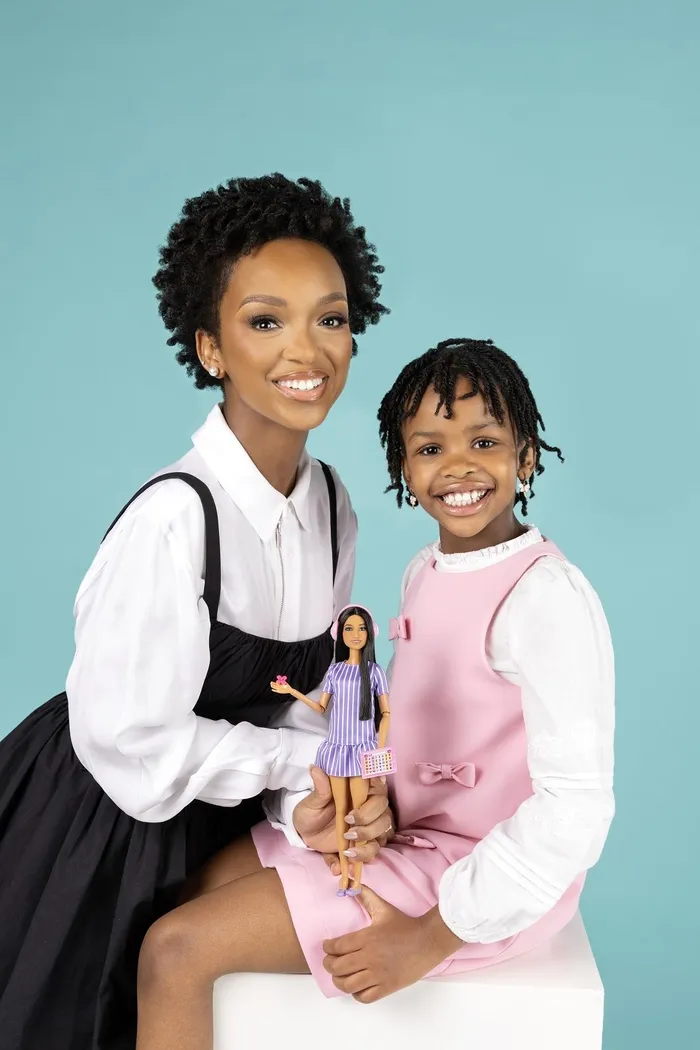
Nandi Madida, alongside her six-year-old daughter Nefertiti Madida.
Image: Supplied
“Barbie has always represented comfort and imagination for me, and becoming a mother to an autistic child has transformed what representation truly means. This autistic Barbie is deeply emotional because it reflects children who are so often left out. For autistic children, seeing themselves in a doll like this affirms that they are seen, valued, and understood exactly as they are. For non-autistic children, it becomes a gentle and powerful tool for learning empathy, curiosity, and respect. Play is one of the earliest ways children make sense of the world, and when that world includes neurodiversity, it helps build a future that is more compassionate, informed, and inclusive for everyone,” say Nandi Madida.
The autistic Barbie follows previous Fashionistas dolls representing people with type 1 diabetes, Down syndrome and blindness.
Like those dolls, it was named and created with community guidance to ensure authenticity. The broader Fashionistas collection now features more than 175 looks, encouraging children to explore experiences beyond their own and build understanding through play.
For autistic children, this doll is not about fitting in. It is about being seen as they are. And for many families, that makes all the difference.
The autistic Barbie doll is now available at leading retailers nationwide.