7 actions Capetonians can take now to avoid another water crisis


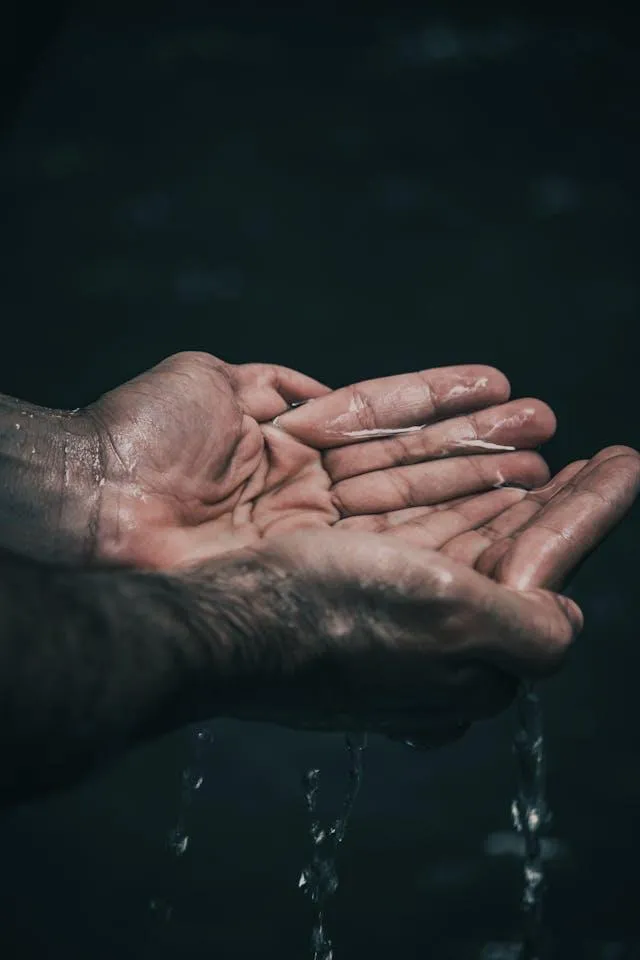
Let’s embrace water conservation as a fundamental lifestyle choice, one drop at a time.
Image: Pexels
Cape Town still flinches at the phrase Day Zero.
Even now, years after the 2015–2017 drought that nearly shut our taps, the memory sits just beneath the surface haunting, unresolved. The queues for bottled water. The two-minute showers timed with a phone stopwatch. The quiet panic of wondering how a modern city could run dry.
We survived. But we didn’t heal.
And here’s the uncomfortable truth: it could happen again. Climate volatility, ageing infrastructure, population growth and municipal strain mean water security in South Africa remains fragile. This isn’t just a Cape Town problem - Knysna, Johannesburg Mthatha and countless towns already feel it. In many communities, one tap serves ten families. In others, a week without water has become normal enough to justify JoJo tanks in suburban yards.
Water scarcity is no longer a future threat. It is a present reality.
So what can Cape Townians do especially renters and those living in complexes to make a real difference? The answer lies not in grand gestures, but in small, consistent habits scaled across a city.
Here are 10 simple, powerful ways to help avert another water crisis and protect our collective future.
1. Make water-wise living permanent, not seasonal
Day Zero habits should be the default. Short showers. Taps off while brushing teeth. Only running dishwashers and washing machines when full. According to the City of Cape Town, consistent indoor savings make the biggest long-term difference.
2. Use toilets more mindfully
Toilets account for up to 30% of household water use.Only flush when necessary yes, let the yellow mellow. Place a filled glass bottle in your cistern to reduce flush volume, or flush with greywater where possible. Never use the toilet as a dustbin it wastes water and damages infrastructure.
3. Harvest rainwater even in small spaces
You don’t need a big property or a JoJo tank. Simple rain barrels, buckets or modified downpipes can collect water for flushing toilets, cleaning floors or watering plants. Even small-scale rain harvesting reduces pressure on municipal dams.
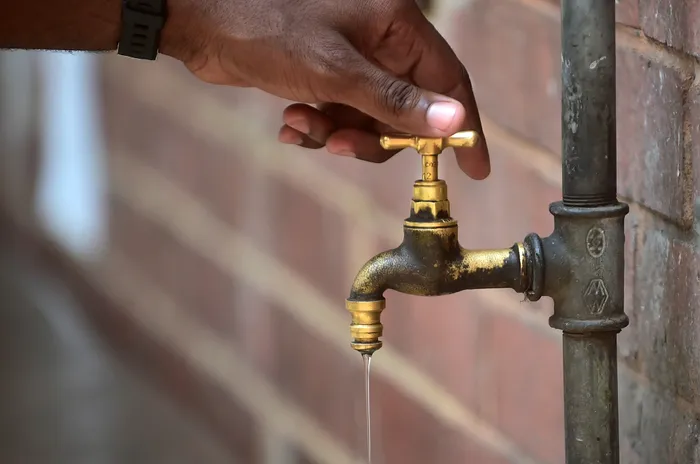
It is vital to use water mindfully.
Image: Supplied.
4. Reuse greywater safely
Water from showers, baths and laundry can be reused for toilets or gardens if managed correctly. Don’t store greywater for longer than 24 hours, keep areas sanitise, and never use it for drinking or cooking. Responsible reuse can dramatically cut household consumption.
5. Take smarter showers and sponge baths
Practice stop-start showers: wet, turn off, soap, rinse quickly. No shower? A sponge bath using a basin (‘waskom’) uses far less water. Collect all shower water for reuse a single bucket is rarely enough.
6. Fix leaks immediately, especially the quiet ones
A dripping tap or leaking toilet can waste thousands of litres a year. Regularly check geysers, pipes, cisterns and outdoor taps. In rental properties, report leaks immediately. Leaks are one of the most preventable forms of water loss.
7. Save water while doing laundry and dishes
Only wash what’s absolutely necessary. Hand-washing laundry often uses less water than older machines. Use minimal soap to reduce rinse cycles. Reuse rinse water for the next wash or for flushing toilets where safe.
8. Make small plumbing upgrades
Fit low-flow showerheads, flow restrictors on taps and reduce water pressure at the stopcock. These changes are affordable, often renter-friendly, and compliant with the City’s Water By-law. Efficiency quietly saves thousands of litres over time.
9. Rethink gardens, pools and outdoor cleaning
Water-hungry lawns are increasingly out of sync with our climate. Indigenous plants like fynbos, spekboom and succulents thrive with minimal irrigation. Use a broom instead of a hose, mulch soil to reduce evaporation, cover pools, and never top up pools with municipal drinking water.
10. Save water everywhere not just at home
The water you use at work, the gym, school or restaurants comes from the same dam system. Use water sparingly wherever you go. Support businesses and property developments that prioritise water efficiency, recycling systems and sustainable design.
The World Health Organization warns that water scarcity impacts not only hygiene and health but mental wellbeing, education and economic stability. When water runs out, everything else fractures.
Cape Town should have built more dams many residents still believe that. But infrastructure alone cannot save us if everyday behaviour remains unchanged.