Nikki Comninos' documentary 'Unspoken War': unearthing South Africa's hidden conflicts


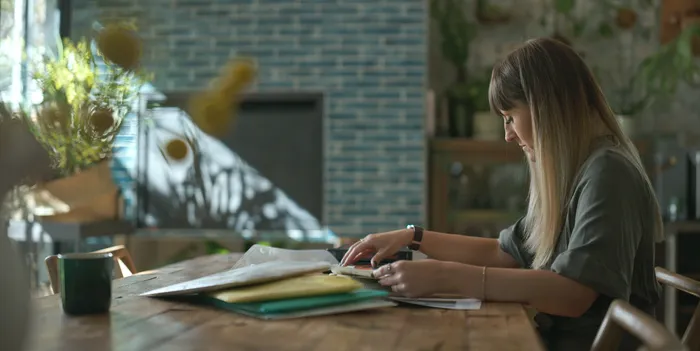
Minette van der Walt, whose own father fought for SADF, is central to the documentary.
Image: Supplied
After working on several hit documentaries, including “Tracking Thabo Bester” and “Devilsdorp”, South African film-maker Nikki Comninos is thrilled for the nation to delve into her latest project, “Unspoken War”.
The local documentary, which will premiere on Showmax on November 12, reopens some of the nation’s deepest wounds. The six-part show chronicles the nation’s covert war across Angola, Namibia, and within its own borders between 1966 and 1989.
Often referred to as the South African Border War, the Angolan Bush War or the Namibian War of Independence, the production aims to give a voice to those who could not speak for themselves at this time.
Comninos explained that one of the reasons she decided to helm this series was that no formal declaration of war was ever made.
In addition, the soldiers were ordered not to speak about it, leaving their families uncertain about the circumstances which led to their loved ones’ deaths.
“The subject of this series is also incredibly important,” she stressed during an interview with “Independent Media Lifestyle.”
“It is such an unexplored, yet deeply impacting, part of our past.”
“Once I started researching the subject, I realised that the reverberations of these conflicts are everywhere you look - within generational relationships, within community dynamics, in the security industry, within boarding school and hostel culture - the list goes on.”
The show is produced by IdeaCandy, which brought viewers the multi-award-winning documentary “Steinheist” and “School Ties.”
The idea for the documentary came from the IdeaCandy team, and it resonated deeply for their junior producer, Minette van der Walt, whose own father fought for SADF in the elite 32 Battalion, but he never spoke to her about it.
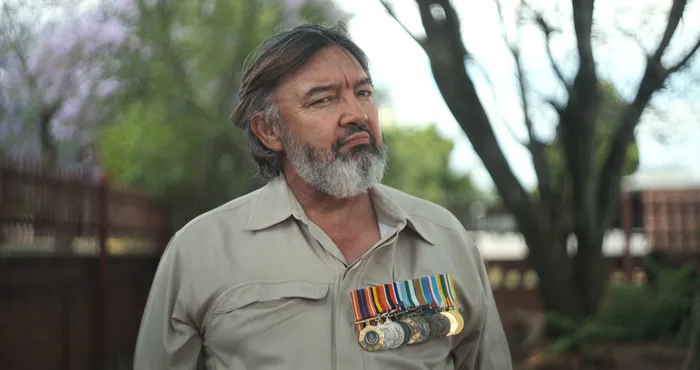
Col. Richard Lourens from the Cape Coloured Corps Voluntary Service is featured on 'Unspoken War'.
Image: Supplied
After discovering his written account of the war, Van der Walt underwent a personal journey to better understand her father’s journey, working alongside Comninos, journalist Pieter Steyn and producers Elle Oosthuizen and Wim Steyn.
“Minette van der Walt from IdeaCandy not only worked on the project but also shared her personal story - her father was in the infamous 32 Battalion, and her journey forms the backbone of the series,” Comninos explained.
To add to its depth and additional perspective, “Unspoken War” also features rare archival footage and intimate personal testimonies from individuals.
This includes the South African Defence Force (SADF) conscripts as soldiers, as young as 16 at the time, who were voluntary servicemen. In addition, Special Battalion commanders, SWAPO fighters, spies, conscientious objectors and wives and daughters of fallen soldiers will also offer their insights.
There is also commentary from historians and journalists who place the conflict within the broader context of the Cold War and the “threat of communism”.
“I also realised that there wasn't a single clear consolidated record of this part of history, and then I knew the importance and gravity of this project,” Comninos added.
“I couldn't stop reading and researching!”
As the doccie is set to be released next month, the director hopes that this series sparks conversations and “allows Southern Africans to ventilate their feelings about our complex past.”
“So many things have been bottled up, and real healing can take place when we start sharing. War is also everywhere we look in the world today, so as much as this series is about the past, it is also about the present.”
Comninos also explained that as a film-maker, she always yearns for her work to resonate with viewers.
“I hope the fact that we focus on a multifaceted experience of these conflicts - including perspectives from soldiers on different sides (South Africa, Namibia, Angola), the voices of families left behind, and those who opposed the war - allows everyone to find resonance somewhere, but also offers space for people's perceptions to be challenged so that they might begin to see another side of the story that they had not considered before.”
Comninos also promised: “What we found about this story is that when you offer people the space to talk safely and freely about their experiences and thoughts about this complicated past.”
“They really open up and enjoy the process of working through their emotions. I believe that watching this documentary can open up that same space within people’s homes, so that they can share things with their family and friends that have been bottled up.”