Inside Rosies stage: the CTIJF’s home for pure acoustic sound


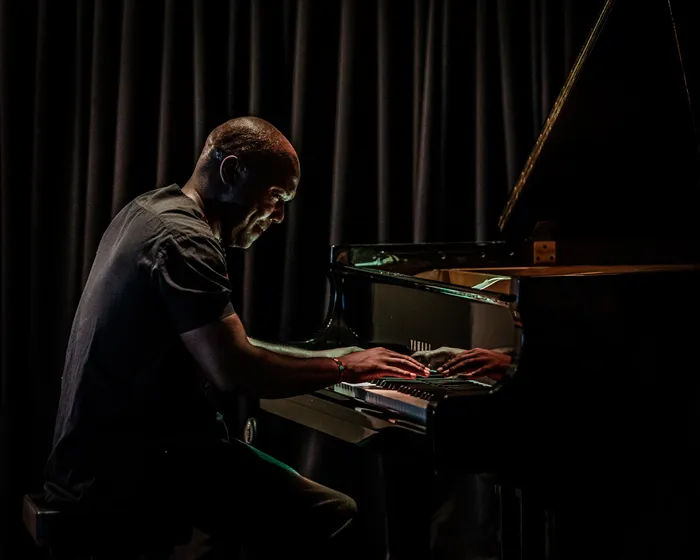
Sibusiso Mashiloane brings a performance grounded in research, memory and lived experience.
Image: Supplied
The Cape Town International Jazz Festival (CTIJF) is preparing for its 2026 edition, set to welcome audiences from across the world for two days of music and cultural exchange.
Taking place on March 27 and 28 at the Cape Town International Convention Centre (CTICC), the event continues to hold its place as one of the continent’s most recognised music gatherings.
Known as Africa’s Grandest Gathering, the festival brings together global icons and local voices across multiple stages, each offering a distinct listening experience.
Among these, the Rosies stage stands apart. Designed for close listening, it offers a space where sound, detail and musical conversation take priority over spectacle.
For audiences who seek the essence of jazz in its most focused form, Rosies has long been regarded as the festival’s quiet centre.
The Rosies stage is built around intimacy. Unlike the larger stages that draw crowds with scale and energy, this venue is seated and limited in capacity. This creates a setting where every note is clear, and every shift in rhythm is felt.
The acoustics are carefully tuned to support acoustic instruments and vocal clarity, allowing performances to unfold without distraction. It is a space where the relationship between artist and audience becomes immediate.
This year’s Rosies programme reflects that intention, bringing together a selection of artists whose work invites attention and rewards careful listening.
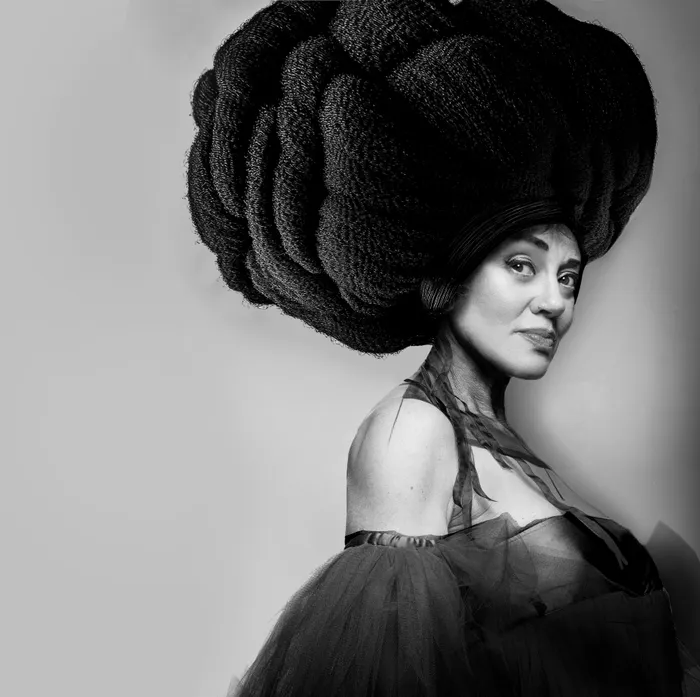
Maria João brings a performance shaped by experimentation and cross cultural exchange.
Image: Supplied
Maria João brings a performance shaped by experimentation and cross-cultural dialogue. Known for a vocal style that moves between structure and improvisation, she presents a project that connects Lisbon and Maputo.
The music blends jazz with electronic elements and draws on Mozambican influences. On stage, she is joined by João Farinha, André Nascimento and producer Luís Fernandes, forming an ensemble that moves across sound and tradition.
A defining moment of the programme is the appearance of Abdullah Ibrahim. At 91, the pianist and composer returns to his home city for a performance that carries both historical and personal weight. Born in District Six, his career has shaped the course of South African jazz across decades.
From his early work with the Dollar Brand Trio to his role in The Jazz Epistles alongside figures such as Hugh Masekela and Kippie Moeketsi, Ibrahim’s influence continues to define the genre. His performance at Rosies offers a rare chance to experience that legacy in a setting that matches its depth.
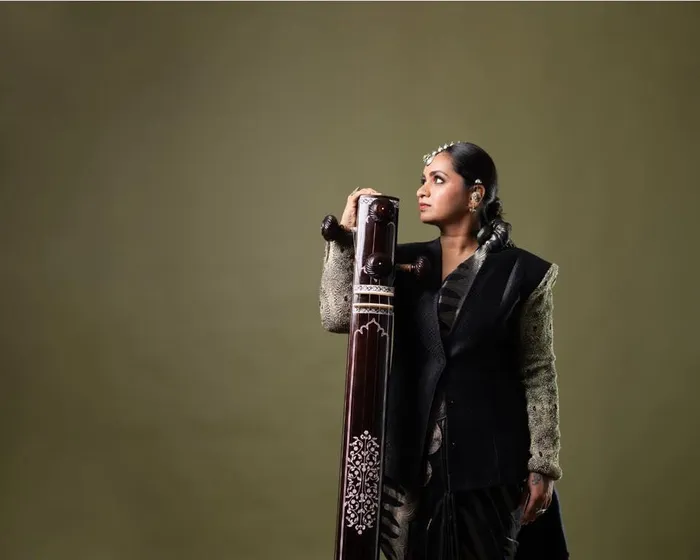
Varijashree Venugopal brings a distinctive voice to the Rosies stage, shaped by her grounding in Carnatic music and her exploration of jazz.
Image: Facebook/Varijashree Venugopal
Varijashree Venugopal introduces another dimension to the stage. A singer and flautist with roots in Carnatic music, she has developed a style that merges classical South Indian forms with jazz improvisation.
Her approach, often described as Carnatic scat singing, expands the possibilities of vocal expression. She performs with Pramath Kiran on percussion, Apoorva Krishna on violin and Jayachandra Rao on mridangam, creating a dialogue between rhythm, melody and voice.
The programme also includes the Kippie Moeketsi Centenary Tribute, a performance that honours the centenary of one of South Africa’s defining jazz figures. Led by drummer Tumi Mogorosi, the set features Muhammad Dawjee on saxophone and Nhlanhla Neville Radebe on bass.
Titled “Revolutionary with a Reed”, the performance reflects Moeketsi’s role in shaping bebop within a South African context, while also acknowledging the political and cultural currents that informed his work.
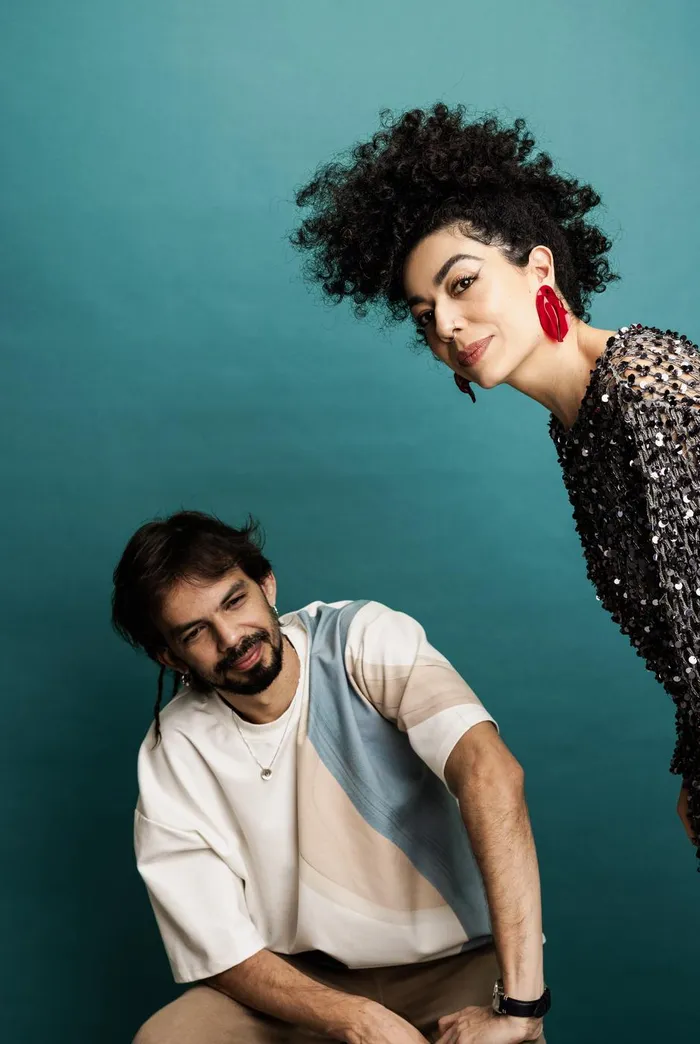
Salomão Soares and Vanessa Moreno bring a collaborative performance that reflects the depth and range of contemporary Brazilian jazz.
Image: José de Holanda
From Brazil, Salomão Soares and Vanessa Moreno present a collaboration grounded in improvisation and regional influence. Their work draws from Brazilian musical traditions while engaging with jazz structures.
Moreno, recognised for her vocal range and collaborations with artists such as Gilberto Gil, brings a strong narrative quality to the performance, while Soares contributes a piano style shaped by both tradition and experimentation.
Together, they offer a set that moves between composition and spontaneous creation.
Tutu Puoane returns to the festival for the first time since 2008. Her performance marks a return that connects past and present work.
Featuring material from her project “Wrapped In Rhythm", she sets the poetry of Lebo Mashile to music, creating a meeting point between spoken word and jazz composition.
The set also includes earlier songs that have remained part of her repertoire, responding to continued audience interest.
Sibusiso Mashiloane brings a performance grounded in research, memory and lived experience.
Image: Supplied
Pianist Sibusiso Mashiloane brings an approach grounded in research and cultural memory. Known for developing what he calls the “Sound of Home”, his music draws from South African traditions while engaging with modern jazz forms.
Performing with his trio, he builds a sound that connects academic study with lived experience, allowing history and personal narrative to shape the performance.
UK saxophonist Jasmine Myra makes her South African debut on the Rosies stage. Her compositions are shaped by melody and atmosphere, often drawing on natural landscapes as inspiration.
Associated with Gondwana Records, her work reflects a strand of contemporary jazz that focuses on tone, space and emotional clarity. Her performance introduces a different pace to the programme, one that unfolds gradually.

Jasmine Myra brings a reflective and melodic approach to the Rosies stage, marking her South African debut.
Image: Emily Dennison
The CTIJF Jazz Orchestra adds a collective dimension to the stage. Led by trumpeter Muneeb Hermans, the orchestra brings together musicians and educators from across the country.
Their set bridges the structure of big band arrangements with more recent interpretations, creating a link between established forms and current practice.
The inclusion of Dutch saxophonist Alexander Beets as a guest adds an international element to the performance.
More information about the festival is available at www.capetownjazzfest.com. Tickets are available through Ticketmaster.