Nelisiwe Sibiya confronts backlash for her villainous role in 'Ithonga'


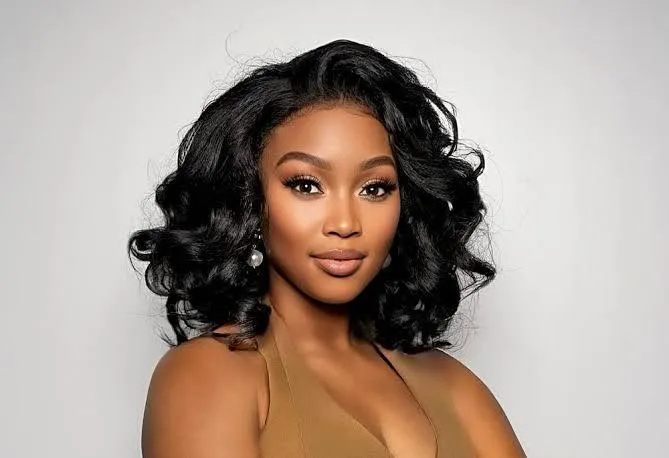
South African actress Nelisiwe Sibiya.
Image: Picture: X/@Jabu_Macdonald
You know when an actor’s performance makes you feel so much that you almost forget it’s a show?
That’s exactly what Nelisiwe Sibiya is doing with her role as Zama Ntanzi in "Ithonga".
For those who loved her as the sweet, strong Dr Mbali on "Durban Gen", seeing her play a spoiled, manipulative, and sometimes downright ruthless character has been ... a shock. But it’s also proof of just how talented she is.
This is not a character you can half-watch. She schemes, she tests limits, and she takes what she wants without thinking of the fallout.
Watching her on screen, you can see the quiet layers of pain, fear, and pride beneath the entitlement, and that’s exactly what makes her feel so real. It’s the kind of role that makes viewers love to hate her, and sometimes, hate her a little too much.
Sibiya has been honest about how the role has affected her in real life. Fans have approached her, sometimes angrily, confusing the actress with the character, leaving her feeling like she’s carrying Zama everywhere she goes.
According to reports, she said, "It’s been hard because people hate me. They think what I’m doing on TV is who I am in real life."
Several South African actors have faced real-life backlash due to their portrayals of gangsters in films, highlighting the intense emotional connections audiences form with characters.
In the 2016 film "Noem My Skollie" (Call Me Thief), actor David Manuel portrayed Freddy Gums, a leader of the 28s gang operating in Pollsmoor prison.
His performance led to real-world consequences when he was assaulted by alleged gang members who were upset by the film's depiction of their group. A video of the incident, which took place outside a popular Cape Town hangout, went viral on social media.
Similarly, in the Oscar-winning film "Tsotsi" (2005), Presley Chweneyagae played the titular character, a ruthless young gang leader. The film's gritty portrayal of gang life resonated deeply with audiences, and Chweneyagae's performance was exceptional.
However, the intense nature of his role led to challenges in his personal life, as some individuals struggled to separate his on-screen persona from his real-life identity
Actors all over the world have felt the weight of people confusing them with the characters they play. Psychologists call it parasocial relationships, when viewers become so invested in a character that their feelings spill over onto the actor.
When a character is mean, manipulative, or downright nasty, some fans take it personally, forgetting it’s fiction. I say to those people that it's time to take a chill pill. There are bigger fish to fry than to attack fictional characters.
Take Jared Leto, for example, whose Joker in "Suicide Squad" earned him real-life criticism from fans who couldn’t separate the chaos on screen from the man behind the role.
Or Jack Gleeson as King Joffrey in "Game of Thrones", who faced threats and harassment because viewers hated Joffrey so much they directed it at Gleeson himself.
Despite the backlash, Sibiya’s performance has earned her recognition. She has been nominated for Best Actress in a TV Series for her role in ‘ithonga’ at the National Film and TV Awards 2025.
In her Instagram message, she thanked fans, her supporters, and even her faith for guiding her through the journey: “Thank you so much @nationalfilmandtvawards for seeing me, and thank you to wonke umuntu who supports me… We learn every day. Thank you to umvelinqangi, amathonga and uShembe for izibusiso.”