Beyond chocolate: thought-provoking books to read this Easter


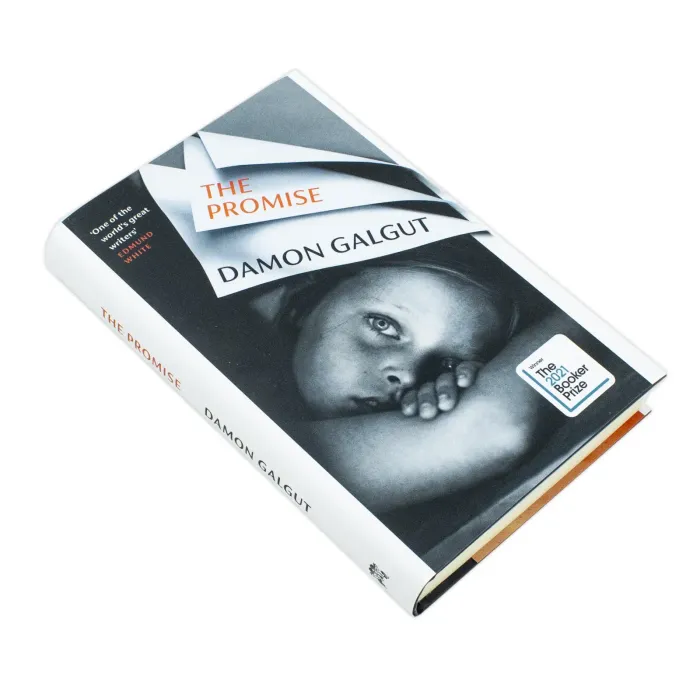
"The Promise" is a family novel that traces the slow unraveling of the Swart family over four decades, set against South Africa’s shift from apartheid to democracy.
Image: Supplied
Easter often invites stillness. It is a time shaped by reflection, memory and renewal.
For many, that quiet space is best filled with stories that ask deeper questions about love, loss, justice and belief. The books you choose during this period can do more than entertain. They can challenge, unsettle and restore in equal measure.
South African literature, in particular, offers powerful narratives that strike a careful balance between history, identity and human complexity.
From haunted mansions on the KwaZulu-Natal coast to family farms shaped by broken promises, these books offer layered reading that stays with you long after the final page.

"The Lost Love of Akbar Manzil" is a layered novel that moves between past and present, set in a fading mansion on the KwaZulu Natal coast near Durban.
Image: Roelia Reads
Shubnum Khan’s “The Lost Love of Akbar Manzil” is a novel that moves between past and present, binding them through memory and longing.
Set in a crumbling mansion on the east coast near Durban, the story unfolds across two timelines. In 1932, Meena Begum fell in love with Akbar Ali Khan, the owner of the grand home during its most vibrant days.
Their story is marked by desire and quiet tension, set against a backdrop of beauty that is already beginning to fade. In 2014, Sana, a fifteen-year-old girl, arrives at the now-decaying mansion with her father.
The house has become a haven for those who wish to escape the world. Sana is drawn to the locked east wing, where she finds a diary that begins to reveal the truth about Meena’s death.
Watching over it all is a grieving djinn, bound to the house and to the memory of the woman he loved.
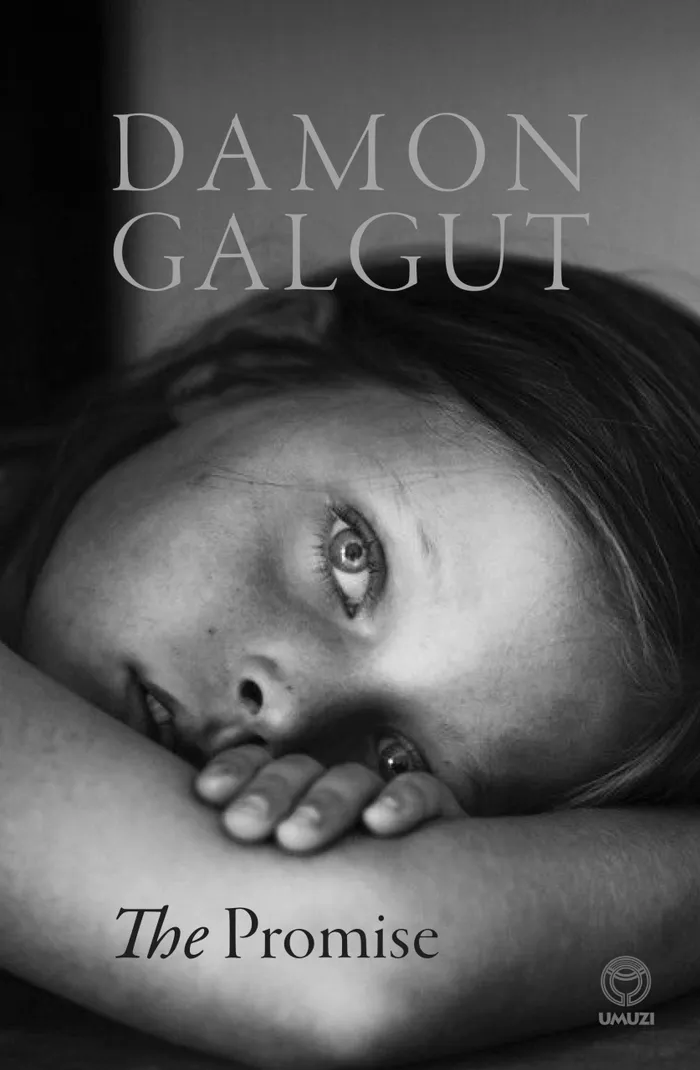
"The Promise" is a family novel that traces the slow unraveling of the Swart family over four decades, set against South Africa’s shift from apartheid to democracy.
Image: Supplied
Damon Galgut’s “The Promise” takes a different approach, grounding its story in the shifting political and social landscape of South Africa.
The novel follows the Swart family over four decades, structured around four funerals that take place in 1986, 1995, 2004 and 2018. At the centre of the story is a promise made on a deathbed. Rachel Swart asks her husband to give their domestic worker, Salome, ownership of the house she lives in on their farm.
That promise is never honoured. As the years pass, the family resists fulfilling it, revealing a pattern of moral failure that mirrors the country’s own struggles with justice and accountability.
Only Amor, the youngest daughter, continues to push for the promise to be kept. When she finally acts in 2018, the gesture arrives too late to carry the meaning it once held.
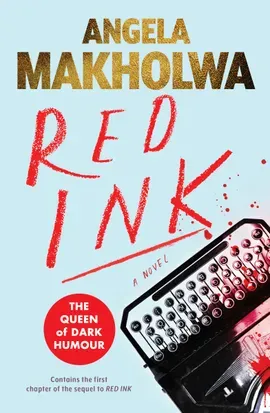
"Red Ink" follows Lucy Khambule, a successful public relations consultant whose past as a crime journalist draws her into a dangerous opportunity.
Image: Supplied
Angela Makholwa’s “Red Ink" introduces readers to Lucy Khambule, a public relations consultant whose past as a crime journalist draws her into a dangerous opportunity.
When Napoleon Dingiswayo, a convicted serial killer known as The Butcher, asks her to write his biography, Khambule sees a chance to pursue her dream of becoming an author.
She begins visiting him in Pretoria’s C Max Prison, conducting interviews that slowly expose the patterns behind his crimes.
As Khambule digs deeper, events outside the prison begin to mirror the violence of his past. She starts to suspect that Dingiswayo may still be influencing the world beyond his cell.
The novel builds tension through psychological detail, placing Khambule in a position where ambition and fear collide.
It also stands as a landmark in South African crime fiction, placing a Black female protagonist at the centre of a genre that has often overlooked such voices.
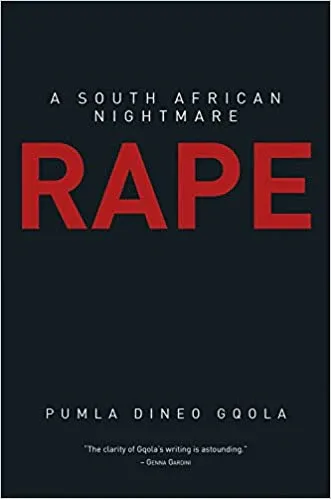
"Rape: A South African Nightmare" is a critical work that examines sexual violence as a systemic issue rather than a series of isolated incidents.
Image: Supplied
In “Rape: A South African Nightmare”, Professor Pumla Dineo Gqola offers a critical examination of sexual violence in South Africa.
The book argues that rape is not a series of isolated acts but a system shaped by power and control. Gqola describes rape as a language, one that communicates who holds power and who is seen as expendable.
She introduces the idea of the female fear factory, a system that conditions women to regulate their own behaviour in response to the threat of violence.
The book traces the roots of this system back to colonial history, challenging the idea that such violence is a recent development.
Through analysis of public responses to high profile cases, including the 2006 trial of Jacob Zuma and the case of Anene Booysen, Gqola exposes the biases that shape how society reacts to victims and perpetrators.
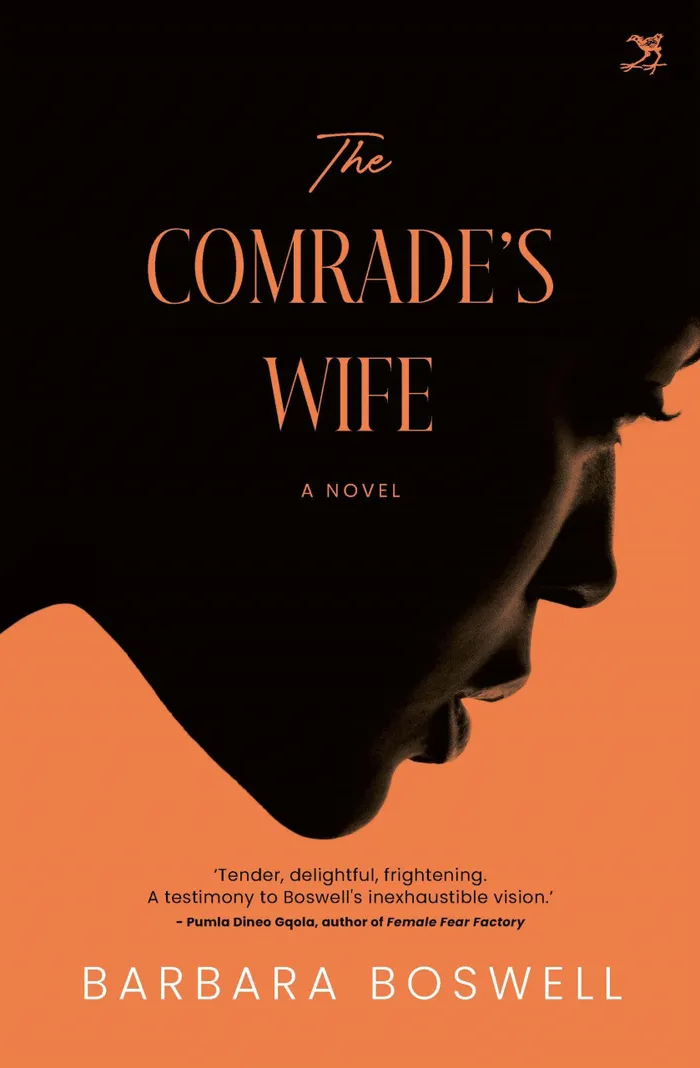
"The Comrade’s Wife" is a contemporary novel that explores the strain between personal life and political identity.
Image: Supplied
Barbara Boswell’s “The Comrade’s Wife” turns inward, focusing on the personal cost of power and ambition.
The novel follows Anita, an academic who enters a marriage with Neill, a former activist who has become a rising political figure.
Their relationship begins with intensity, but signs of imbalance appear early. Neill’s absences, his vague explanations, and his need for control begin to reshape Anita’s life. She finds herself adjusting her work, her home, and her sense of self to fit into his world.
As the marriage progresses, the emotional distance grows, revealing a pattern of manipulation that is difficult to confront.
A discovery during their first anniversary trip forces Anita to face the truth about Neill and the foundation of their relationship.
The novel explores how political identity can mask personal failure, and how individuals navigate the space between public image and private reality.