Family may soon have the DNA answers they need
|Published


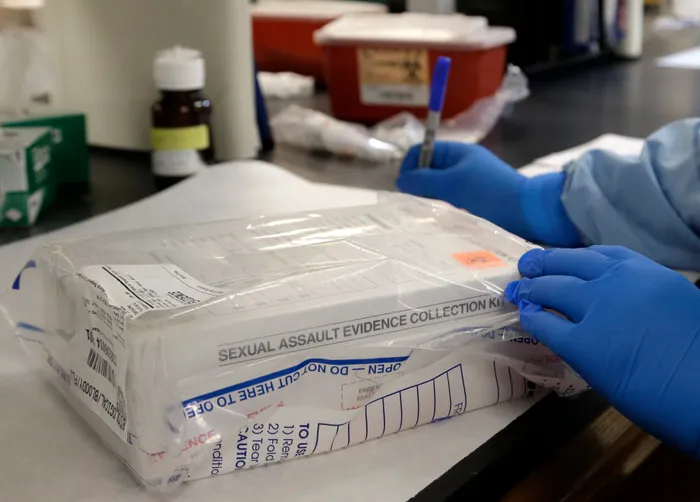
The South African Police Service Management reported that they made “great strides” in overcoming the DNA testing backlog while the system to track and trace forensic exhibits was now fully operational. File picture: AP Photo/Pat Sullivan, File
DURBAN - WHEN a woman’s burnt body was found in a ditch in Woody Glen, Hammarsdale, west of Durban six months ago a family believed it was that of Nomvuselelo Ngcobo, 31, who went missing on October 17.
The body was found on October 20 last year and DNA samples were taken for analysis. The family were not allowed to bury the body without DNA confirmation.
The missing woman’s sister, Nkosingiphile, said when she reported her sister missing, she learnt that the woman who was found dead had a pair of spectacles near her, and she was found a few houses from where Nomvuselelo lived with their mother, Zanele.
After viewing the body, Nkosingiphile strongly believed that it was her sister and was asked to fill in an affidavit listing reasons why she believed so.
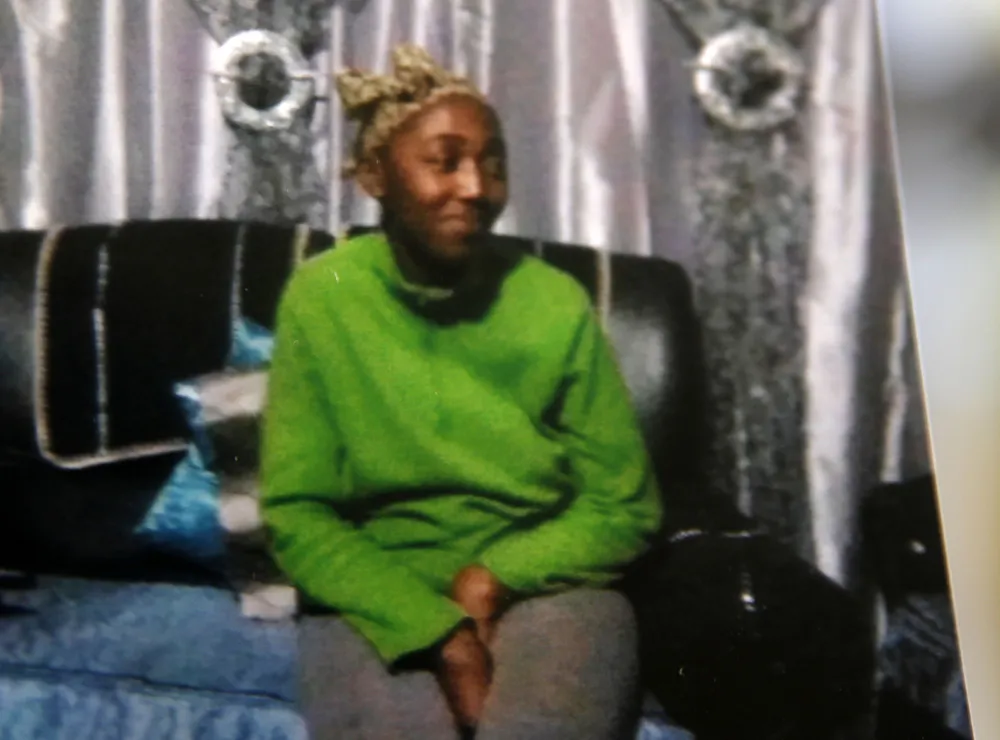
On Tuesday this week, Nkosingiphile said police called her on Monday and told her to call them on Wednesday so they can give her an update on her sister’s case.
“I asked them about the body and they said I should remind them this morning,” said Nkosingiphile.
Meanwhile, SAPS management reported that they had made “great strides” in overcoming the DNA testing backlog, while the system to track and trace forensic exhibits was now fully operational.
National police spokesperson Brigadier Vish Naidoo said that this followed the reported “disappearance” of millions of forensic exhibits from the National Forensic DNA database due to the property control and exhibit management system being shut down by the service provider in June last year.
The exhibits were stored in the Forensic Service Laboratory Administration System and could only be accessed manually.
Naidoo said that the police have worked with the State Information Technology Agency and developed the Forensic Exhibit Management (Fem) system. The new system, with a track-and-trace functionality, replaced the previous system run by the service provider. The Fem system could speedily locate the source and storage of the forensic evidence.
“The new system went live on April 6 and approximately 10 million samples from the Forensic Laboratory Admin System have been loaded into the FEM system, where samples can be tracked and traced at the click of a button.
“Nearly 25 000 new exhibits have also been loaded into this system,” said Naidoo.
“The testing of specimens for DNA reached a bottleneck which resulted in an accumulative backlog of over 170 000 samples. This emanated from the shortage of quantification kits or so called ‘DNA consumables’ that are essential for DNA testing at the SAPS Forensic Science Laboratory.”
Naidoo said the police finalised a two-year contract with a service provider to supply the much-needed consumables. For now, the SAPS has procured enough quantification kits on a quotation basis to last at least three months so that the backlog as well as the testing of new samples can continue, allowing enough time for the validation process to be completed.
“The SAPS management would like to assure the nation that while the backlog in the forensic laboratories is being dealt with with the urgency it deserves, DNA samples required for court cases – especially related to gender-based violence, as well as DNA samples needed for identification of persons for burials – are being prioritised,” said Naidoo.
“All hands are on deck at the SAPS Forensic Science Laboratory to urgently tackle the existing backlogs. The workforce of the forensic analysts there has been adjusted to allow for overtime work.”
Daily News