Focus on World Retina Week


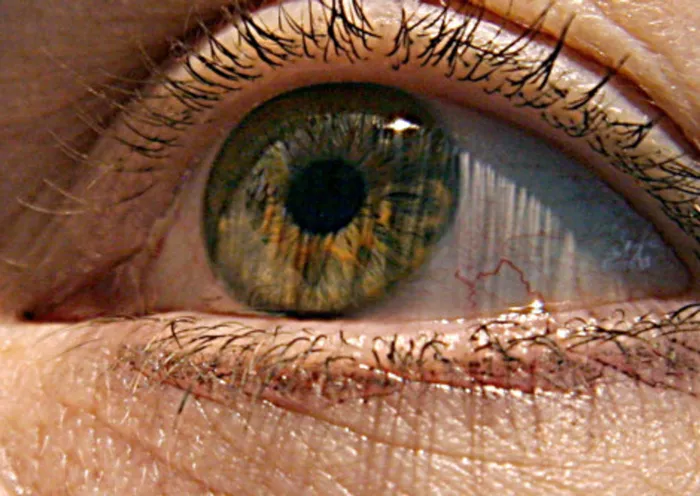
File photo: The co-authors, Keith Martin and Barbara Lorber of the university's John van Geest Centre for Brain Repair, said the hope was one day to build retinal tissue for people suffering from degenerative diseases of the eye. File photo: The co-authors, Keith Martin and Barbara Lorber of the university's John van Geest Centre for Brain Repair, said the hope was one day to build retinal tissue for people suffering from degenerative diseases of the eye.
Genetic retinal conditions is the cause of blindness for 150 000 South Africans but early identification and treatment can reverse this condition before blindness sets in.
World Retina Week starts on Saturday, and Retina SA is focused on bringing awareness to the strides made to cure retinal blindness.
World Retina Week is observed in 42 countries to create global awareness and focus on treatments available for the millions of people affected by retinal blinding conditions.
Head of Science for Retina South Africa Claudette Medefindt said there had been remarkable progress in the fields of gene therapy, stem cells and artificial retinas. But this will be lost if patients with these rare conditions cannot be identified by researchers.
Retinal conditions such as macular degenerations and dystrophies, retinitis pigmentosa, Stargardt disease and other rare conditions, cause loss of vision in over 40 million people worldwide. But international clinical trials to find effective treatments are showing great promise.
Trials to find effective treatments are showing great promise and Retina South Africa has now ensured that South African patients can join the international data base that will connect patients to the correct researchers.
The portal www.myretinatracker.org is anonymous, free and leaves the control in the hands of the patient. The site is monitored by the Foundation Fighting Blindness (USA) and researchers are vetted by them before the patient is invited to contact the research institute.
Medefindt said: “To find enough patients to treat will require international collaboration and My Retina Tracker is ideal as the patient holds the power.
“We estimate that over 17 000 young South Africans will lose their sight if they do not receive treatment. This is over one million blind years that we could save.”
Patients who have had a gene test to determine their precise gene mutation will have the best chance of being included in these promising clinical trials.
Retina South Africa has partnered with the Division of Human Genetics at the University of Cape Town, headed by Professor Raj Ramesar, to find gene mutations unique to the South African populations.
Retina SA Western Cape chairman Manny Moodley said research in treatment for retinal conditions hds been very prolific.
“Vision is a gift and retinal blindness affects so many people. People need to get their vision checked for the condition to be regulated,” he said.
Moodley was born with Stargardt disease.
To find out more about retinal treatment and registration for clinical trials go to www.retinasa.org.za or call 0860 59 59 59.