Innovative digital technologies: A solution to South Africa's municipal water crisis?


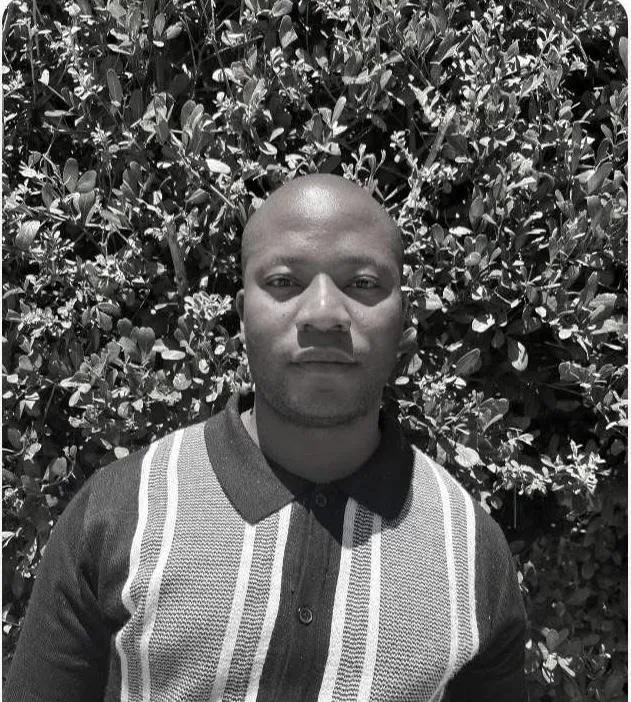
George Mosima
Image: Supplied
George Mosima
World Water Day, celebrated on 22 March, serves as a reminder that South Africa's municipal water crisis demands urgent attention. Our country faces critical water scarcities, exacerbated by ageing infrastructure, a growing population, non-revenue water losses, illegal water connections, vandalism and theft, a culture of non-payment for municipal water services, and a lack of political will to effectively address water challenges and climate change.
As Water Service Authorities, municipalities are constitutionally obligated to provide dependable water and sanitation services. However, they face major challenges, such as deteriorating infrastructure due to the lack of adequate maintenance, limited financial resources, and a growing demand for water. My recent master's study at Stellenbosch University examined whether emerging digital technologies—including smart metering, sensors, the Internet of Things (IoT), drones, big data analytics, artificial intelligence (AI) and block chain—could actually improve water management in selected municipalities, particularly in the Western Cape. I interviewed various municipal stakeholders. The study also highlighted how operational realities undermine service delivery. Waterinterruptions often result from infrastructure failures, maintenance shutdowns, illegal connections and electricity supply disruptions affecting pumping systems.
These factors collectively weaken municipalities’ ability to realise the constitutional right to water. In the Western Cape, population growth, economic expansion and climate variability intensify these pressures, placing significant strain on supply systems. The province’s water storage relies on 44 major dams with a combined capacity of 1,870.4 million cubic metres, yet municipalities still face shortages linked to demand management challenges, infrastructure vandalism and water losses. My research shows that emerging digital technologies could improve municipal water management in several specific ways.
First, digital monitoring tools can provide real-time data on water flow rates, pressure levels and consumer usage patterns. Second, they allow early identification of undetected leaks, illegal connections, infrastructure deterioration and pump or valve failures. Third, they support predictive maintenance, which helps municipalities address faults before they escalate into system breakdowns. These technologies can also improve planning and decision-making. Real-time data enables municipalities to allocate maintenance budgets more effectively, prioritise infrastructure upgrades, plan future investments and respond to drought or shortages. However, my study also identified several barriers to their adoption. These include concerns about cost-effectiveness, shortages of technical skills within municipalities, inadequate legislative frameworks and resistance to organisational change.
Interviews revealed institutional challenges across infrastructure conditions, governance systems, financial resources, readiness for information and communications technology (ICT) and human capacity. Although emerging digital technologies have potential to help address municipal water challenges, their effectiveness strongly depends on the right infrastructure conditions, institutional preparation, and human capability within municipalities. For example, successful implementation requires investments in core infrastructure such as smart water meters, SCADA (supervisory control and data acquisition) systems, flow and pressure sensors, drone-based monitoring tools and IoT networks. Municipalities also need digital billing systems, cloud-based data platforms and predictive maintenance tools capable of detecting faults early.
Equally important is the need for specific technical and operational skills. These include data analytics, sensor calibration (checking and adjusting sensors to make sure they measure things accurately), GIS (Geographic Information System) mapping, ICT systems integration, machine-learning applications and cybersecurity capacity. Project management and change management capabilities are also essential to support organisational transformation. Many municipalities lack experience with emerging digital technologies and awareness of their applications, which affects their readiness to adopt them.
Municipalities must assess the feasibility of these technologies within the framework their own capacity and governance systems. Policymakers and municipal leaders can take several steps to facilitate the adoption of emerging technologies. First, they should follow a planned and context-sensitive approach that are tailored to municipal conditions when implementing these technologies. Targeted investments incritical infrastructure and digital systems are required to support effective deployment. Second, they must prioritise capacity development. Municipalities need sustained investment in training to develop the technical and operational competencies necessary for digital water management systems.
Third, they should fast-track institutional reforms to strengthen coordination and governance. They should also foster intergovernmental collaboration and public-private partnerships while harmonising policy and regulatory frameworks to support technological innovation. Finally, they must assess awareness and applicability of less commonly used technologies, such as acoustic leak detection and digital twin infrastructure models, which were not widely recognised by municipal stakeholders interviewed in the study.
My study shows that emerging technologies offer clear opportunities to strengthenmunicipal water management in South Africa. Yet their success depends not only on thetechnologies themselves, but on the institutional systems, infrastructure and humancapacity required to use them effectively.As World Water Day approaches, the evidence suggests that improving municipal watermanagement will require both technological innovation and sustained investment ingovernance and operational capability.
*Mosima is an emerging evaluator at Southern Hemisphere in Cape Town. Thisarticle is based, in part, on his recent master’s degree in public administration atStellenbosch University.