OPINION | Why cancer treatment isn't one-size-fits-all


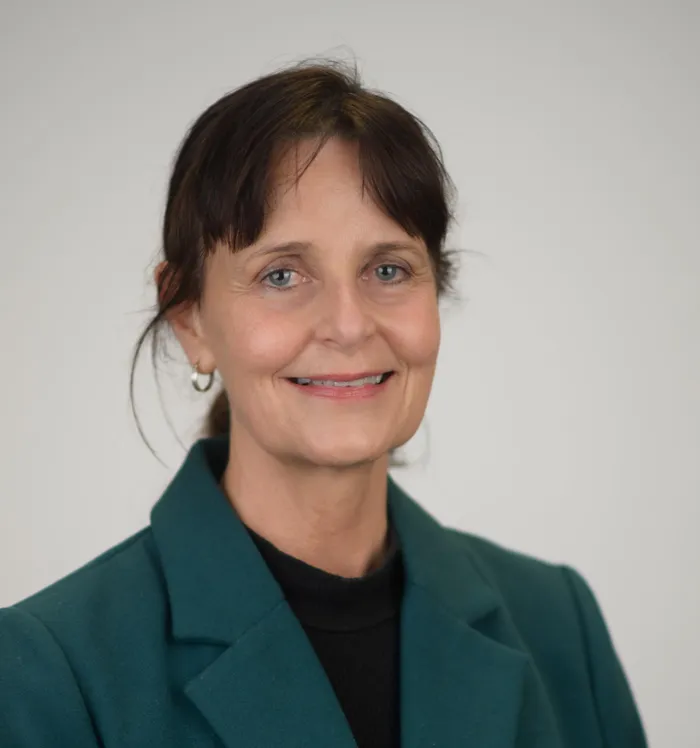
Professor Anna-Mart Engelbrecht leads the cancer research group in the Department of Physiological Sciences at Stellenbosch University.
Image: Supplied.
Professor Anna-Mart Engelbrecht
We often speak about cancer as if it were a single enemy that can be fought with a single strategy. In reality, cancer is deeply personal. Two people can have the same diagnosis, receive the same treatment, and yet experience completely different outcomes. One responds well and goes on to live a full life. The other does not.
Cancer is complex
For patients and families, this difference can feel frightening and deeply unfair. For scientists and clinicians, it raises one of the most important questions in modern cancer research: why does the same cancer behave so differently from one person to another? This question should also be top of mind as we observe World Cancer Day on 4 February. For many years, cancer was understood mainly as a disease of abnormal cells that grow too fast, divide uncontrollably, and invade where they do not belong. While this is true, it is only part of the story.
Today, we know that cancer is far more complex. It is not just about the cancer cells themselves, but also about the body in which they exist. One reason outcomes differ lies in the biology of the tumour itself. Even cancers that share the same name, such as breast cancer or colon cancer, are not all the same at a molecular level. Subtle differences in genes can influence how aggressively a tumour grows, how it spreads, and how it responds to treatment. These differences are often invisible on scans or under a microscope, but they can have a profound impact on how the disease behaves. Importantly, genes are not destiny. Having a particular genetic change does not mean that cancer will definitely develop, nor does it guarantee how severe it will be. Instead, genes interact with many other factors inside the body, creating a unique biological context for each patient.
The tumour microenvironment
Another key piece of the puzzle is the tumour’s surroundings, something which we as scientists call the tumour microenvironment. Cancer cells do not exist in isolation. They are surrounded by blood vessels, immune cells, connective tissue, and supportive cells that normally help keep organs healthy. In cancer, this neighbourhood can be altered in ways that protect the tumour rather than the patient. Some surrounding cells may unintentionally help cancer grow, hide from the immune system, or resist treatment. This means that two tumours that look similar may behave very differently depending on how their surrounding environment responds. The immune system also plays a critical role. In some people, immune cells can recognise and attack cancer effectively. In others, the cancer finds ways to evade detection or suppress immune responses. This helps explain why newer treatments such as immunotherapy can be remarkably effective for some patients but offer little benefit to others.
Beyond biology
Beyond biology, the whole body matters. A person’s overall health, age, and the presence of other conditions such as heart disease or diabetes can influence how well they tolerate treatment. Cancer therapies are often powerful, and while they can be life-saving, they can also place strain on organs like the heart. For some patients, treatment must be adjusted or stopped early, which can affect outcomes even when the cancer itself might have been responsive.
Where a person lives and the care they can access also make a difference. In countries like South Africa, healthcare exists within a complex and unequal system. Some patients are diagnosed early and have access to specialised testing and treatment. Others present later, when the disease is more advanced, or face delays due to limited resources. These realities are not reflections of individual choices or worth, but of broader socio-economic factors that shape health long before a diagnosis is made. This is why personalised medicine has become such a powerful focus in cancer research. The goal is no longer simply to treat a type of cancer, but to treat a specific cancer in a specific person.
A tumour’s genetic makeup
By understanding a tumour’s genetic makeup, the environment in which it grows, and the patient’s individual characteristics, clinicians can make more informed decisions about treatment. This approach does not promise perfect outcomes, but it offers a better chance of choosing the right treatment for the right person at the right time. Personalised medicine also raises important questions about fairness and access. Advanced testing and tailored treatments should not be luxuries available only to a few.
In South Africa and across Africa, there is growing recognition that locally driven research is essential. Populations differ genetically, environmentally, and socially, and solutions developed elsewhere do not always translate directly. Investing in local research helps ensure that advances in cancer care are relevant, effective, and equitable.
Cancer is unpredictable and unfair
Going forward, we must hold both truth and hope together. The truth is that cancer is complex, unpredictable, and often deeply unfair. Outcomes differ not because patients try harder or deserve more, but because biology, environment, and circumstance intersect in ways we are still working to understand. The hope lies in the progress being made every day in our university laboratories, clinics, and communities towards more precise, compassionate, and inclusive cancer care.
Understanding why two patients with the same cancer can have different outcomes does not just advance science; it also reminds us that every patient’s story is unique, and that cancer care must be as individual as the people it serves. On World Cancer Day, we honour not only those affected by cancer, but also the ongoing effort to ensure that, where possible, outcomes are shaped by knowledge, care, and equity rather than chance.
*Prof Engelbrecht leads the cancer research group in the Department of PhysiologicalSciences at Stellenbosch University.