How Rastafari rights are shaping the future of cannabis in South Africa
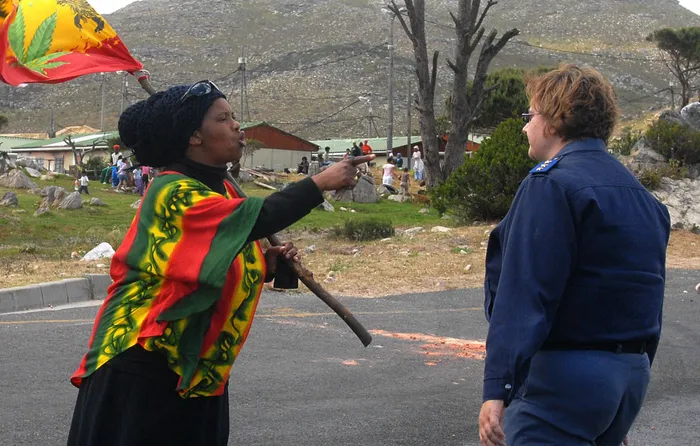
The writer ask for understanding of the Rastafari religious and cultural practices.
Image: Mxolisi Madela
The South African Human Rights Commission’s (SAHRC) Rights of Rastafari Report, released on 3 November 2025, arrives at a defining moment in the struggle for African dignity and self-determination.
Its timing, one day after the global commemoration of the Transfiguration of Negus Ras Tafari—the coronation of Emperor Haile Selassie I—symbolises a spiritual and political awakening. Rastafari is not merely a faith-based tradition; it is a frontline grassroots decolonial project, confronting the racial and cultural hierarchies that persist in South African law and perception.
For generations, Rastafari people have been criminalised for their African identity, their dreadlocks, and their sacramental use of the holy herb. Despite the Constitutional Court’s 2018 Prince judgment legalising private cannabis use, possession, and cultivation by adults, harassment persists. Police continue to raid homes, destroy crops, and arrest people for acts protected under the Constitution.
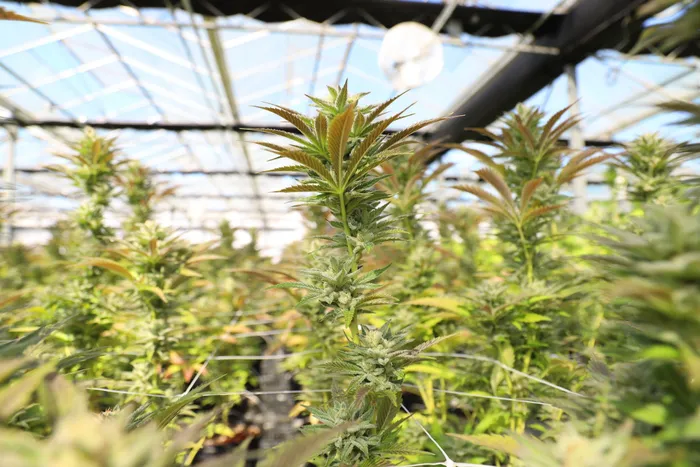
The writes argues for full participation in the ever growing cannabis industry by the Rastafarian community.
Image: Pexels
These abuses violate the rights to faith, culture, privacy, and human dignity—principles on which the democratic state was built. The SAHRC’s report exposes this ongoing injustice. Complaints of police misconduct and unlawful arrests flood in from across the country despite the SAPS National Commissioner’s 2023 directive forbidding such actions. The problem lies not in the law but in colonial mentality—a lingering mindset that sees African spirituality as deviant rather than divine.
The situation is compounded by the government’s delay in implementing the Cannabis for Private Purposes Act 7 of 2024. Although signed into law, it remains ineffective because its regulations have not been finalised. This legal vacuum enables police abuse and excludes the poor and marginalised from participating in the expanding cannabis industry. In practice, the delay protects the powerful while punishing the historically oppressed.
At the SAHRC’s Rights of Rastafari Roundtable in February 2025, five urgent priorities emerged: unlawful arrests, inclusive regulation, indigenous knowledge protection, cultural inclusion in education, and access to land and sacred spaces. Each reflects the broader struggle to ensure that African spirituality and knowledge systems are treated as legitimate, not criminal.
To persecute Rastafari for using cannabis is to criminalise African identity itself. Among the movement’s key advocates is the Rastafari Nation Council (RNC), a civil society organisation representing a coalition of Rastafari platforms and mansions nationwide. The RNC plays a central role in uniting the community, coordinating with state bodies, and asserting the constitutional rights of Rastafari people. It bridges grassroots voices with national policy, insisting that justice and dignity replace tokenism. On the ground, the Adwa Movement in Cape Town has taken active steps to defend Rastafari households against harassment. Its organisers have engaged police stations and the Provincial Police Commissioner, documenting violations and demanding accountability.
Leaders such as Elder DJ Culture (Ricardo Erasmus), an RNC Western Cape official, provide support to affected families and mediate between communities and law enforcement. Rastafari adherents are encouraged to reach out to these leaders whenever police intimidation occurs—an example of community conscientisation in practice, where the people become their own defenders through unity and self-organisation.
The Rastafari struggle extends beyond faith—it is deeply tied to economic decolonisation. Cannabis is not only a sacred herb; it is a potential economic goldmine. The global cannabis industry is expected to exceed USD 100 billion by 2030, encompassing medical, industrial, nutritional, and recreational applications. With its fertile soils, favourable climate, and long history of traditional cultivation, South Africa is positioned to become a global cannabis powerhouse. Yet the question remains: who stands to benefit? Those who preserved the plant under colonial persecution—Rastafari communities and legacy growers—are now being sidelined as corporations and foreign investors move to dominate themarket. This is economic recolonisation under a new name.
True liberation requires redistribution and recognition. The very people once jailed, beaten, or killed for cannabis must be at the centre of its legal and economic renaissance, not its periphery. Land reform is pivotal to this transformation. Cannabis cultivation cannot thrive without equitable access to land, yet most small-scale farmers and Rastafari families remain dispossessed. Without land justice, cannabis reform risks entrenching inequality instead of dismantling it. Land must be redistributed not only for restitution but as empowerment—supporting sustainable livelihoods rooted in indigenous knowledge and ecological stewardship.
The SAHRC’s report underscores that Rastafari people are not seeking special privilege but equal protection. Decolonising cannabis law means dismantling the colonial logic that treats African wisdom and healing practices as criminal.
The state must act decisively to:
● Finalise regulations under the Cannabis Act.
● Enforce SAPS directives against unlawful arrests.
● Train police in cultural and faith-based rights.
● Guarantee representation of Rastafari and legacy growers in policy processes.
● Prevent corporate monopolisation of the cannabis value chain.
● Embed cannabis cultivation within land reform and rural development initiatives.
The Rastafari call for livity— a life of balance, truth, and peace—is not a threat to public order but a blueprint for national renewal. The ongoing persecution of Rastafari communities exposes the unfinished work of decolonisation. Freedom cannot exist while African faith and spirituality are policed, and dignity cannot flourish while economic justice is denied.
Police must end the criminalisation of African faith and culture. Lawmakers must act with integrity and urgency to correct historical wrongs. And South Africa must realise that the liberation it celebrates remains incomplete until all its people—especially those who kept Africa’s spiritual and agricultural traditions alive—are free to live, grow, and prosper in peace. Until that day, the Rastafari struggle will remain both a spiritual witness and a political conscience—a mirror reminding this democracy that justice, like liberation, must reach every root before it can bear fruit.