Shared parental leave is a win for families, equality, and the future


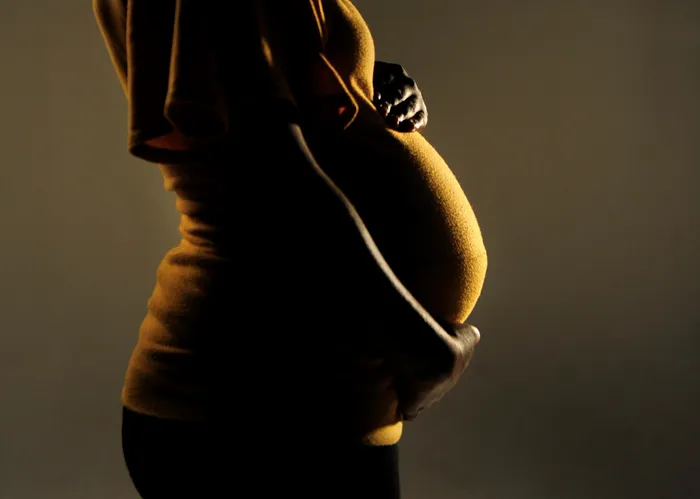
Both parents are entitled to paternity leave.
Image: File picture
In a landmark decision, the Constitutional Court has ruled that the existing 4 months and 10 days of maternity leave will now apply collectively to both parents, regardless of gender.
This means that instead of being reserved exclusively for mothers, the leave can now be shared between parents in a way that best suits their family’s needs. While the total duration remains unchanged, this ruling introduces a monumental shift in how we think about parenting, caregiving, and gender roles. For decades, maternity leave policies across the world have reinforced the idea that caregiving is the sole responsibility of women.
This not only burdens mothers with the physical, emotional, and professional toll of childcare, but also sidelines fathers and non-birthing partners from the early, formative stages of a child’s life. By opening up the parental leave framework to include both parents equally, the Court has made a decisive move toward dismantling outdated gender norms and promoting true parental equality. This is not merely a symbolic gesture. The implications are practical, progressive, and powerful.
First and foremost, the ruling recognises that both parents play a critical role in a child’s early development. Research consistently shows that children benefit from the involvement of both caregivers in their early months — not just for emotional bonding, but also for cognitive and psychological development. When both parents have the opportunity to take time off work to care for their newborns, families are strengthened, and outcomes for children improve.
Second, this ruling is a significant step toward workplace equality. Traditionally, maternity leave has been one of the most cited reasons for the gender pay gap and for the underrepresentation of women in leadership roles. Employers, conscious of the costs associated with maternity leave, have long viewed women of childbearing age as a hiring risk — whether consciously or unconsciously. With this ruling, parental leave becomes a shared potential cost between all employees, regardless of gender. This levels the playing field and challenges the deeply entrenched biases that have disadvantaged women in the workforce.
Critics may argue that the duration — still capped at four months and ten days — is inadequate, especially when compared to more generous parental leave policies in countries like Sweden or Norway. And they would be right. The issue here is not only the quantity of leave but also its equitable distribution. While the total duration remains the same, its use will now be based on family choice, not rigid gender norms. This gives families the autonomy to decide what works best for them — whether that means splitting the leave equally, or one partner taking more time based on personal circumstances or career considerations. It also marks an inclusive shift toward recognising diverse families.
The Court’s explicit language — “regardless of gender or sex” — is particularly noteworthy in a legal context that has often lagged behind in recognising LGBTQ+ parenting rights. This ruling affirms that all families deserve equal protection, equal support, and equal recognition under the law. However, this progressive reform will only be effective if supported by strong implementation. Government, employers, and society at large will need to adapt. For one, workplace cultures must evolve to normalise men taking parental leave. Too often, even when policies exist, men are discouraged from using them due to stigma, fear of career setbacks, or toxic masculinity.
Public education campaigns, corporate policies, and leadership from the top will be crucial in shifting these attitudes. Moreover, the government must ensure that this policy change does not become a loophole to reduce already limited maternity protections. Shared parental leave should not translate to pressuring women to return to work sooner or disguising cost-cutting measures under the guise of equality. Instead, it should be a foundation upon which more expansive and supportive parental leave policies are built.
Ultimately, this ruling reflects a deeper truth: parenting is a shared responsibility, and our policies should reflect that. As the realities of modern families evolve, so too must the laws that support them. Today’s decision is a clear signal that we are moving in the right direction — toward a society where caregiving is valued, gender roles are fluid, and families are empowered to choose what’s best for them.
*Mayalo is an independent analyst and the views expressed here are not necessarily those of IOL or Independent Media