Charting a course for conservation: Three Ships in Vision 2040


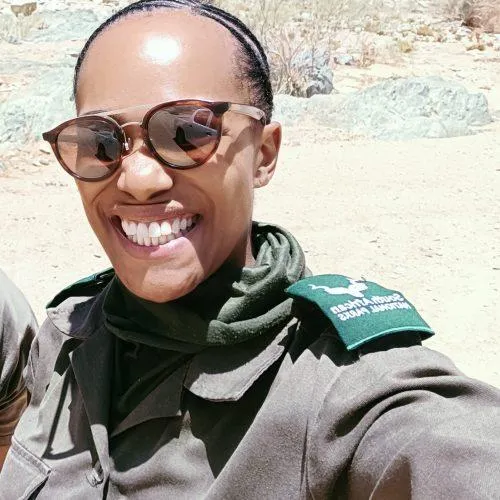
Dr Nkabeng Mzileni
Image: Supplied
Dr Nkabeng Mzileni
In 1652, three ships landed at the Cape, heralding a colonial project that disrupted landscapes and dispossessed people. Today, SANParks sets sail with three very different ships such as Stewardship, Custodianship, and Partnership to guide us through the dynamic land and seascape of modern conservation. These are not vessels of conquest, but ships of collaboration, carrying the promise of sustainable, resilient, and inclusive conservation areas the central aim of Vision 2040.
The Vision
This vision reimagines protected areas not as ecological fortresses, but as Living Land and Seascapes fluid mosaics where ecological processes, cultural identity, and community well-being are deeply interwoven. These three “ships” serve as SANParks’ adaptive tools for a complex and changing world. Their purpose is not to dictate conservation outcomes from above, but to co-create them with the people who live in, depend on, and care for these landscapes.
Living Landscapes: Embedding Conservation in Complexity
SANParks' evolving approach acknowledges that conservation areas are not isolated islands but vital patches in a broader landscape quilt, woven together with human activity, traditional knowledge, and ecological function. The “desired state” of each park must now be defined not solely in ecological terms but also in its role within a socio-ecological mosaic - interconnected systems where land, water, wildlife, and people must coexist through mutual respect and cooperation.
This is vividly illustrated in:
- Mokala National Park, where targeted wildlife management supports ecosystem function and biodiversity economy initiatives. Wildlife is not merely protected it is managed ethically and transparently, contributing to thriving ecosystems and providing opportunities for emerging game farmers who become partners and custodians.
- Golden Gate Highlands National Park, where stewardship includes community-managed grass harvesting that restores degraded land and contributes to local livelihoods. Land claims have been resolved with sensitivity to cultural heritage, economic opportunity, and ecological restoration. Stewardship here is not symbolic; it is practiced on the ground through active community involvement.
- The proposed Grassland National Park represents the future of Living Landscapes. Here, communities will steward their own lands under a shared conservation vision, co-developed with SANParks, WWF-SA, and other partners. Grasslands and water catchments critical to national ecosystem service supply will be protected through negotiated and adaptive frameworks that balance ecological thresholds and community needs.
These parks exemplify the decolonized “three ships” in action, linking people to land not through exclusion, but through co-creation and shared value.
Human–Nature Interdependence: Reclaiming the Ethical Core of Conservation
Traditional conservation has often focused on the material value of nature biodiversity, ecosystem services, tourism revenue. While these remain important, Vision 2040 demands we also revive the ethical and philosophical foundations of conservation. We are not separate from nature. Our identities, survival, and futures are entangled with it. This interdependence brings with it a duty of care: to use wildlife and natural resources with respect, gratitude, and restraint. Ethical use does not mean non-use. When wildlife is harvested or relocated whether for auction, translocation, or habitat restoration it can still reflect deep conservation values, if done transparently and within ecological limits. Ethical use requires humility and an acknowledgment of our role as participants, not dominators, in natural systems.
Sustainable Use to Thrivability: Redefining the Conservation Paradigm
The move from sustainability to thrivability marks a paradigm shift. Sustainable use ensures that ecosystems survive; thrivability ensures they flourish, alongside human communities.
Thrivability requires:
- Scientific rigor: Resource use must be guided by biodiversity monitoring, ecological thresholds, and adaptive management strategies.
- Local stewardship: Communities are not simply beneficiaries of conservation they are its architects and guardians.
- Adaptive learning: Conservation must evolve with changing climates, shifting land-use patterns, and emerging social dynamics.
Whether it’s wildlife auctions that fund conservation efforts or grass harvesting that revives degraded lands, each action must be judged not only by its outcomes, but by who is involved, how it’s decided, and what values guide it.
Anchoring Vision 2040 in Shared Responsibility
As SANParks looks to 2040, the journey will be long and the waters unpredictable. But with the guiding ships of Stewardship, Custodianship, and Partnership, there is a clear direction: toward Living Landscapes that recognize human-nature interdependence, grounded in ethical use and sustained by thriving systems. This is conservation not as defence, but as dialogue; not as isolation, but as integration. And so, unlike the colonial ships of Jan van Riebeeck, SANParks’ three ships carry not settlers, but allies community members, scientists, farmers, and future generations charting a course together for a just and biodiverse South Africa.
*Mzileni is the Head of the Cape Research Centre