Exploring the cancer-fighting potential of Lessertia frutescens, the cancer bush


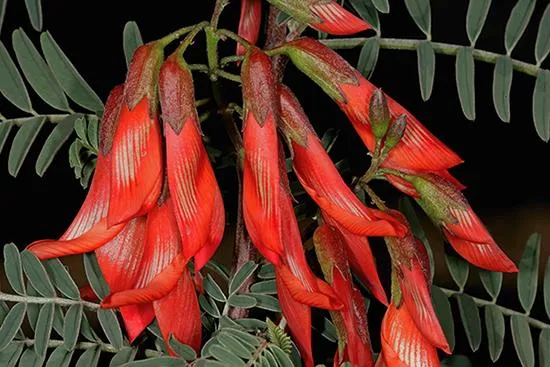
The cancer bush could hold the key to a cure for some cancers.
Image: Supplied
An indigenous plant long used in traditional African medicine has become the focus of pioneering research that could reshape future cancer treatment options in South Africa and across the globe.
Scientists at North-West University (NWU) are investigating the intense anti-cancer potential of Lessertia frutescens—commonly known as the "cancer bush"—after successful laboratory trials. Crucially, the plant extract has shown significant activity against notoriously aggressive, drug-resistant small-cell lung cancer and colorectal cancer.
The research team, led by Professor Chrisna Gouws at the NWU Faculty of Health Sciences, tested extracts of the wild shrub on both cultured human cancer cells and advanced, laboratory-grown "mini-tumours" known as spheroids. The most extraordinary breakthrough occurred when the extracts were introduced to advanced tumours that had entirely stopped responding to standard therapies.
"What is very interesting and exciting is the apparent activity in drug-resistant cancers, such as resistant small-cell lung cancer, where known chemotherapies have limited to no activity," Professor Gouws noted. "This provides us with new avenues to investigate for treatment options to treat cancers currently considered incurable."
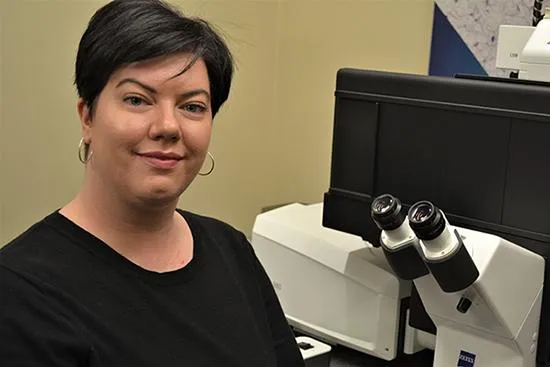
Professor Chrisna Gouws at the NWU Faculty of Health Sciences, tested extracts of the wild shrub on both cultured human cancer cells and advanced, laboratory-grown "mini-tumours" known as spheroids.
Image: Supplied
Beyond its aggressive stance on tumours, Lessertia frutescens carries an ancient track record of human use that gives it a distinct advantage over standard synthetic drugs: safety. Because the plant has been utilised for generations by traditional healers across Southern Africa, its non-toxic profile is well documented.
According to the researchers, its anti-cancer activity comes without the devastating side effects known to accompany standard chemotherapy. Furthermore, laboratory data suggests the plant naturally boosts the digestive and immune systems while offering mood-enhancing benefits, potentially supporting a patient’s entire body during treatment.
The project is moving rapidly from the laboratory bench to real-world application, following a structured clinical timeline. The team is currently engaged in phytochemical mapping to isolate the exact molecules responsible for the anti-cancer activity and fully understand their precise mechanism of action. Animal model testing is scheduled to begin later this year to definitively confirm safety and efficacy before human clinical trials can be approved, with the ultimate goal of launching a regulated, complementary medicine product on pharmacy shelves by 2027.
If successful, this breakthrough offers profound socio-economic implications for developing nations. Traditional oncology drugs are notoriously expensive and often physically inaccessible to patients living in deeply rural areas.
"A new plant-based treatment will be much more cost-effective and may be more accessible because it can be manufactured locally," Professor Gouws explained. She also emphasised that establishing commercial-scale agricultural infrastructure to meet the demand for the plant material will create vital local farming and economic opportunities across South Africa.