South African motorists face rising carjacking threats: 60 attacks daily


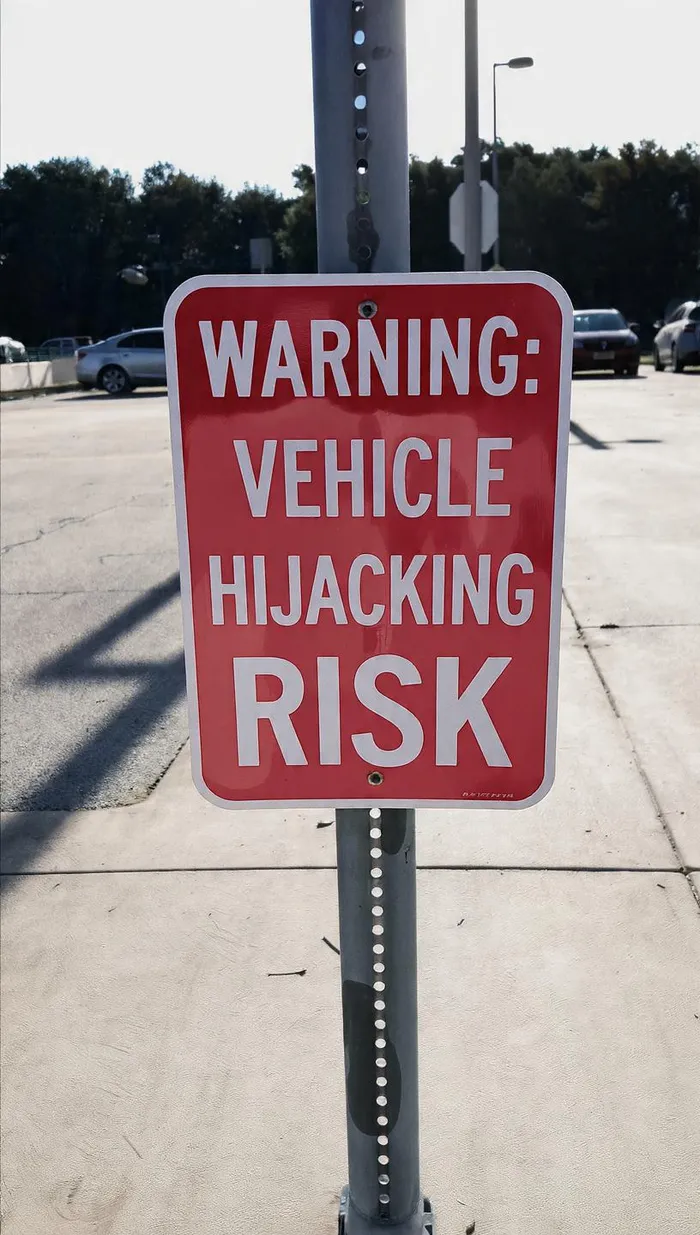
Carjackings in South Africa remain stubbornly high, with an average of 60 vehicles hijacked every day.
Image: Lance Fredericks / created with Meta AI
South African motorists are being warned against a lethal wave of complacency as brutal carjacking syndicates maintain a relentless grip on the nation's roads, launching an average of 60 attacks every single day.
The latest official crime statistics covering the last two quarters paint a terrifyingly familiar picture. Despite mounting calls for urgent government intervention, the rate of vehicle tracking and ambush shows absolutely no sign of relenting, with syndicates focusing heavily on high-demand commuter vehicles and notorious highway blackspots.
The Toyota Hilux and Volkswagen Polo continue to ruthlessly dominate the black-market theft statistics. Security experts note their overwhelming popularity, high resale value, and the insatiable demand for illicit spare parts keep them firmly at the top of syndicate shopping lists. However, cross-border syndicates are rapidly evolving, bringing several newcomers into the high-risk category.
The Toyota Corolla Cross, the Isuzu D-Max, and the nimble Kia Picanto are now routinely targeted. Meanwhile, the Ford Ranger, a long-standing fixture on the radar of criminal networks, is seeing its ambush numbers surge in direct correlation with its booming commercial popularity.
Geographically, the danger zones remain starkly consistent. In the Western Cape, the notorious stretch of the N2 highway leading to Cape Town International Airport—dubbed "the gauntlet" or "the road to hell" by terrified locals and the media—remains highly volatile. In Gauteng, the densely populated hub of Alexandra features prominently as a red zone, while KwaZulu-Natal’s Inanda remains a hotspot for armed ambushes.
For the everyday commuter, the critical question is how to mitigate these staggering risks. Eugene Herbert, Chief Executive of driver safety firm MasterDrive, warned that a motorist's own mindset can often be their greatest enemy. He said that the most important thing to understand is that no person, vehicle or area is immune to carjacking risk.
"Falling into complacency because a vehicle is not on the high-risk list, or because a driver seldom frequents notorious areas, represents a motorist's biggest vulnerability,making daily vigilance essential," he said.
To combat this daily threat, safety specialists have issued an updated set of defensive driving protocols designed to reduce commuter vulnerability. Motorists are strongly advised to drive in the middle lane wherever possible, as this simple positioning creates vital distance from road edges and makes it significantly harder for criminals to launch surprise ambushes from the roadside. Drivers must also actively read the road ahead, adjusting their speed early if an upcoming traffic light is red or congestion is building to keep the vehicle rolling and limit the amount of time they sit as a stationary, vulnerable target.
Intersections and slow-moving traffic remain peak-risk scenarios where windows must be kept closed and doors locked. Drivers should always leave enough space behind the vehicle ahead to see its rear tyres, which ensures enough room to steer clear and escape if ambushed. Furthermore, because predictable daily habits make motorists easy to profile and follow, breaking up daily routines and routes is highly recommended. Statistics reveal a significantly higher risk of hijackings occurring between 4:00 PM and 9:00 PM, making heightened awareness during this evening peak-risk window essential.
The warnings coincide with a disturbing rise in highway entrapment tactics, such as criminals throwing debris from bridges or placing tactical spikes across lanes. While these brutal tactics are designed for roadside robbery and assault rather than vehicle theft—as the spikes shred tyres and damage bodywork — the psychological impact can be severe.
In the event of hitting a trap, the directive from experts is absolute: do not stop. As long as the vehicle can physically move, drivers must keep driving until they reach a safe, well-populated area, as stopping in an isolated spot is often exactly what criminals count on. Ultimately, while the statistics serve as a grim roadmap for commuters, they offer no guarantees, leaving the responsibility for survival heavily on the vigilance of the person behind the wheel.