Preventing childhood burn injuries: a call to action from the Red Cross War Memorial Children’s Hospital


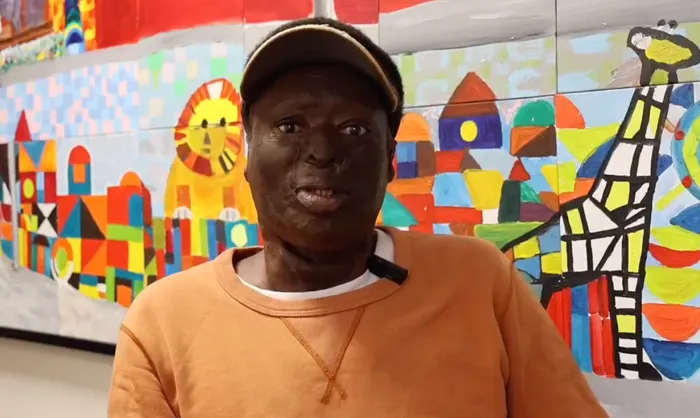
Few stories reflect the hospital’s legacy more powerfully than that of William Baartman, a long-time RCWMCH volunteer.
Image: Supplied
As the Red Cross War Memorial Children’s Hospital (RCWMCH) commemorates seven decades of dedicated service to the children of the Western Cape, its leading clinicians are issuing a stark warning to the public. Despite seventy years of medical advancement, the hospital continues to see a relentless influx of preventable childhood burn injuries—accidents that occur in the supposed safety of the home, and change lives in a heartbeat.
Since its inception in 1956, RCWMCH has stood as the province’s only specialist paediatric facility. Yet, its milestone anniversary is shadowed by a persistent crisis. Each year, hundreds of children are admitted with devastating injuries ranging from boiling water scalds to electrical and flame burns. The data is clear: the most frequent victims are children under the age of five, and the most common site of injury is the family home.
The biological reality of childhood makes these accidents particularly catastrophic. “Burn injuries remain one of the most common and devastating forms of preventable trauma we see in young children,” explained Dr Tomé Mendes, Head of the Burns Unit.
“Children’s skin is thinner and more vulnerable, which means even brief exposure to heat can result in serious injury.”
Dr Destiny Links, a Plastic Surgeon at the hospital, elaborates on this rapid progression: “Because children’s skin is significantly thinner than that of adults, heat penetrates more deeply and more rapidly. Even brief exposure can result in life-altering injury.”
According to decades of data from ChildSafe, the majority of these incidents occur during routine daily chores in kitchens and bathrooms. Specialists frequently encounter severe scalds linked to a specific, preventable mistake during bath time.
“One of the most common and preventable scenarios we see involves bath basins,” said Dr Links. “Parents may fill a basin with hot water first and step away briefly to fetch cold water. In that short time, a toddler can climb into the basin. These basins are often placed on the floor, and the resulting injuries can be catastrophic.”
While the hospital’s world-class Plastic Surgery Department performs miraculous reconstructive procedures to restore mobility, clinicians stress that the most vital treatment happens in the kitchen sink immediately after an accident.
“Cooling is of paramount importance,” Dr Links stresses. “The burned area should be placed under cool running water for a full 20 minutes. Proper cooling helps stop the burn from progressing deeper into the skin and can significantly reduce long-term damage.”
Dr Mendes adds that these 20 minutes are the difference between a minor scar and a life-threatening complication. “Appropriate first aid, administered as early as possible, has the potential to reduce the severity of a burn injury and the time it takes to heal.”
The hospital’s 70-year history is best personified by volunteers like William Baartman. Burned severely at the age of four in 1977, William was once a patient fighting for his future in these very wards. Today, he walks the corridors as a volunteer, offering a living testament to recovery for families in the depths of despair.
As RCWMCH looks toward the future, its message to the community is one of empowerment rather than fear. Prevention does not require expensive equipment; it requires a shift in habits. By turning pot handles inward, testing bath water (cold first, then hot), and keeping kettles out of reach, parents can honour the hospital’s 70-year legacy by ensuring their children never have to walk through its doors.