How a pair of school shoes became a superpower for South African children


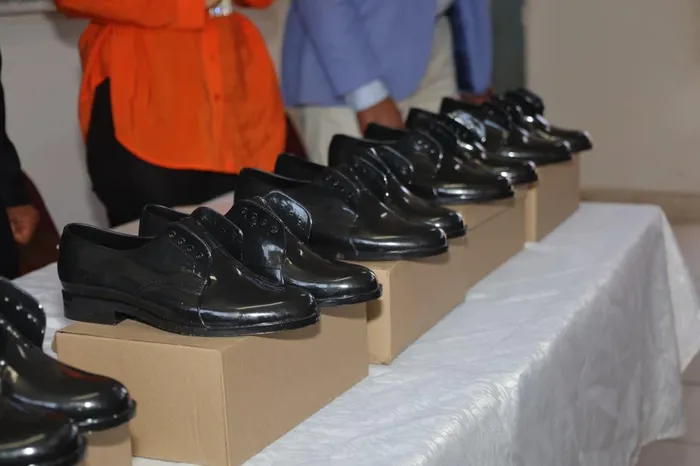
Runner Turning Medical Waste into Miles of Hope.
Image: Supplied
Did you know that a simple pair of school shoes can be a superpower? For many children in South Africa, walking to school is a long journey over rocky paths and cold ground. Without shoes, it is easy to get hurt or feel left out. But thanks to a 60-year-old runner named Craig Rowe and some very clever science, thousands of kids are getting the "magic" shoes they need to succeed!
It all started when Craig decided to run his very first big race, the Two Oceans Half Marathon. He wanted every kilometre he ran to mean something special. He asked his friends and big companies to "sponsor" his run—not with trophies, but by buying school shoes for children who didn't have any. Even when Craig tripped and fell during the race, he got right back up! He knew that his sore knee was nothing compared to how much those children needed their shoes.
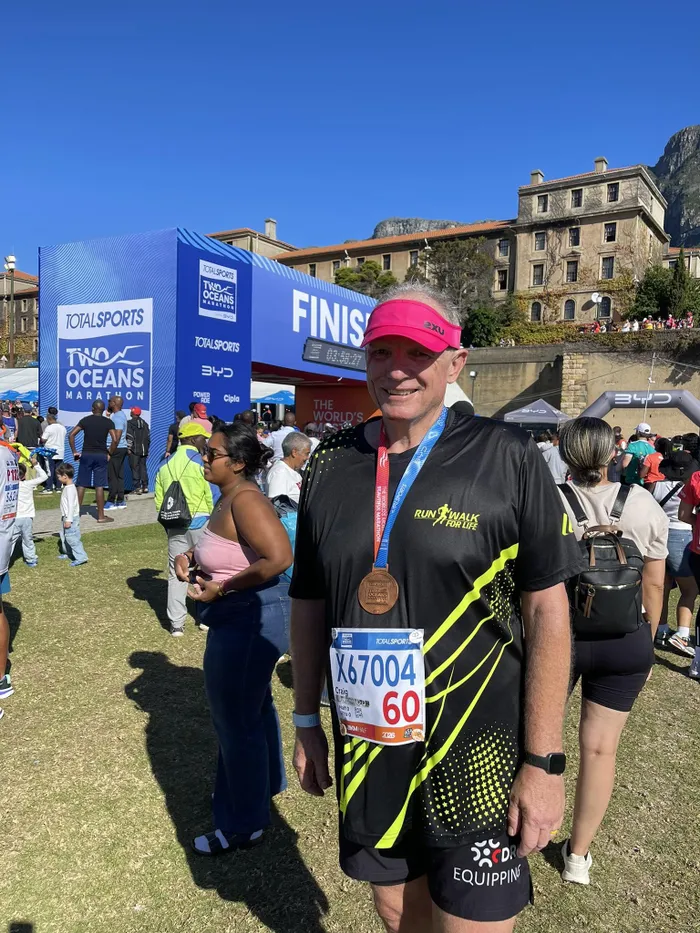
Craig Rowe at the finish line.
Image: Supplied
But these aren't just any ordinary shoes; they have a secret "green" story. They are made from recycled medical items, like the clear plastic drip bags and tubes used in hospitals. Instead of throwing that plastic away where it would sit in a rubbish dump forever, clever scientists at the My Walk Made with Soul project turn it into shiny, waterproof, and super-strong school shoes.
So far, Craig’s running has helped more than 2,800 children, and the project has made over 400,000 pairs of shoes. Because of these special shoes, children can walk to school safely, keep their feet warm in winter, and focus on their lessons instead of their toes. It shows that whether you are running a race or recycling a plastic bag, everyone can be a hero in their own way.
Fun Fact: the Science of Your Shoes:
The plastic used for these shoes is called PVC. By recycling it, the project has saved over 166,000 kilograms of plastic from going into the ground. That’s about the same weight as 30 giant African elephants.
Try This at Home:
You don't have to run a marathon to help. Next time you see a piece of plastic, remember it could have a "second life." Make sure to put your recycling in the right bin—you never know, it might just turn into someone’s favorite pair of shoes!