Celebrating 20 Years of the Santa Shoebox Project: hygiene as a lifesaver


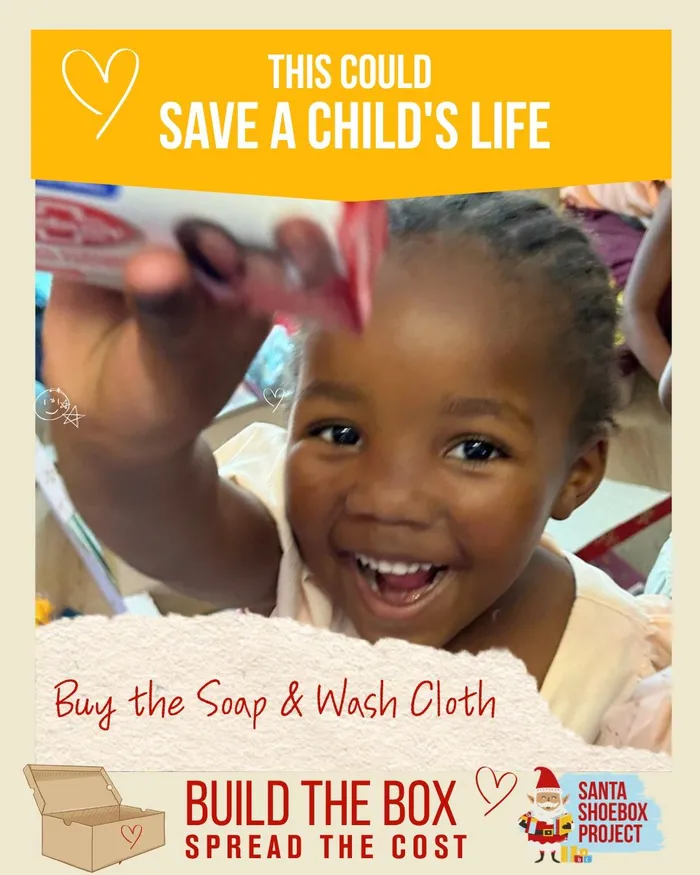
Santa Shoebox is people to fill their box with soap and a washcloth.
Image: Supplied
In the fight against global child mortality, the most sophisticated weapon is not a new vaccine or a complex medical procedure, but a humble bar of soap and a clean washcloth. As the Santa Shoebox Project (SSP) marks its landmark 20th anniversary this year, its mission has never felt more urgent or more grounded in common sense.
Aligning with the World Health Organisation’s 2026 World Hand Hygiene Day theme, "Action saves lives," the project is calling on the public to remember that for a child in an under-resourced community, hygiene is the primary barrier between health and life-threatening illness. With two decades of experience and 1.5 million children reached, the SSP is proving that while a decorated shoebox might look like a simple holiday gift, its contents are actually a vital intervention in a country where preventable infections remain a leading cause of death for the under-fives.
The statistics surrounding hand hygiene are as startling as they are encouraging. According to the World Health Organisation, the simple act of washing hands with soap, particularly after using the toilet or touching bodily fluids can reduce diarrhoea-related illnesses by 30% and respiratory infections, such as the common cold and influenza, by 20%.
These two ailments are the primary drivers of mortality for young children worldwide. The Centers for Disease Control estimates that 1.8 million children under the age of five die annually from diseases linked to inadequate water, sanitation, and hygiene. In South Africa, where the SSP operates, the need for accessible hygiene education and resources remains a pressing priority. By ensuring that every single one of the 75,000 boxes pledged this year contains a bar of soap, a washcloth, a toothbrush, and toothpaste, the project provides children with the physical tools necessary to claim their right to health and dignity.
CEO Deb Zelezniak notes that over the last 20 years, some 1.35 million bars of soap have been placed directly into the hands of vulnerable children. To a donor in a comfortable suburb, adding a bar of soap to a gift might feel like a minor detail, yet for a child in a rural or under-resourced area, it is an essential tool for survival. Beyond the immediate health benefits, UNICEF highlights that consistent handwashing helps combat the global crisis of antibiotic resistance by reducing the incidence of infections that would otherwise require drug treatment. Furthermore, it prevents the staggering financial costs that families incur when a child falls ill, ensuring that children can stay in school and parents can remain productive.
The project’s impact extends far beyond the physical box. Through its "Legacy" arm, the SSP has reached over 180,000 children by upgrading Early Childhood Development centres and providing essential training to teachers. This holistic approach ensures that "safer care starts with clean hands," embedding hygiene habits into the daily routine of the classroom. As South Africans prepare for the 2026 season, the SSP is encouraging "Santa’s Helpers" to begin their shopping early. By purchasing the soap and washcloth now, donors can spread the cost of the eight required items over several months before individual pledges open in September. These boxes, each personalised for a specific child, represent a promise of safety and a gesture of solidarity. In a world of complex problems, the Santa Shoebox Project remains a shining example of how a simple, collective effort can produce a massive, measurable change in the lives of the most vulnerable.