Blood on the hides: South Africa’s failure to halt the gruesome donkey skin trade


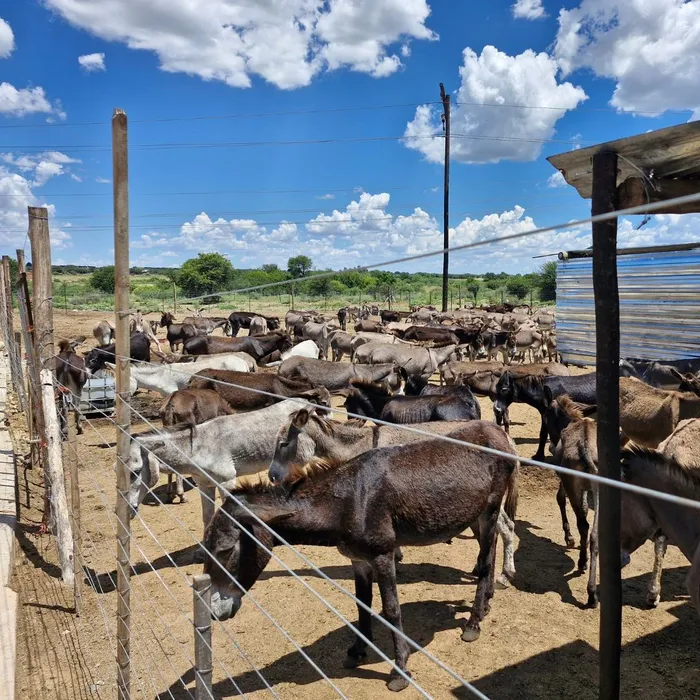
During what was meant to be a routine inspection at the Brievo Abattoir in Schweizer-Reneke, National Council of SPCAs (NSPCA) inspectors were met with a scene of skeletal neglect.
Image: NSPCA/facebook
Despite a landmark continental ban, South Africa’s refusal to outlaw the commercial slaughter of donkeys has created a vacuum of unimaginable cruelty. While the African Union (AU) signaled a new dawn for equine welfare in February 2024 by implementing a 15-year moratorium on the donkey skin trade, the South African government’s hesitation to codify this into national law is costing thousands of animals their lives in the most horrific circumstances.
Rather than adhering to the AU’s prohibition, South Africa has opted for a "controlled export model." This policy permits the legal slaughter of 10,500 donkeys annually for their hides. According to Brooke, a leading UK-based animal welfare charity, this regulatory middle ground is not only failing the animals it claims to protect but is actively facilitating a trade rooted in suffering.
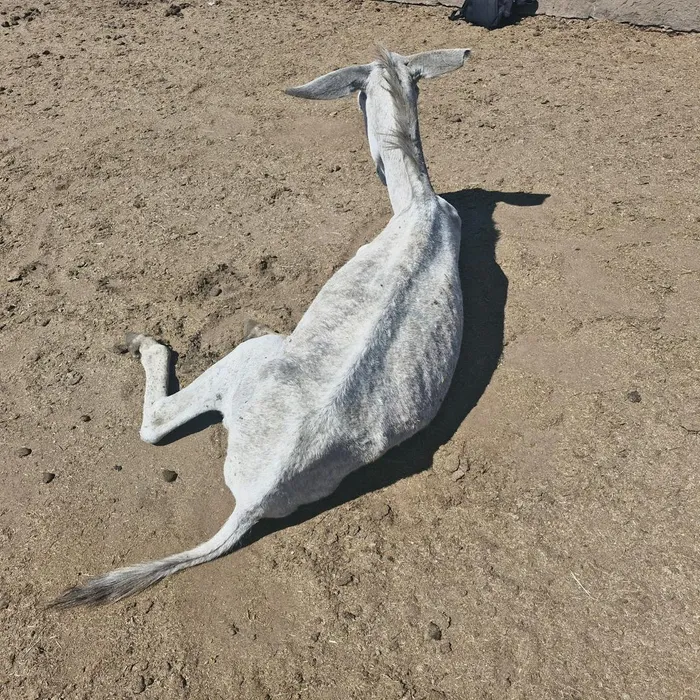
Many were too weak to stand, their bodies emaciated and riddled with parasites.
Image: NSPCA/facebook
The reality of this "controlled" industry was laid bare in April 2026 at a registered equine abattoir in the North West Province. During what was meant to be a routine inspection at the Brievo Abattoir in Schweizer-Reneke, National Council of SPCAs (NSPCA) inspectors were met with a scene of skeletal neglect.
"It turned into a case of severe suffering and cruelty," the NSPCA reported. Approximately 180 starving donkeys were found awaiting their end. Many were too weak to stand, their bodies emaciated and riddled with parasites. When questioned, the manager’s justification was chilling: treating the animals for parasites would require a "withdrawal period," which would inconveniently delay the scheduled slaughter date. In the eyes of the trade, these sentient beings had already been reduced to mere units of production, their comfort irrelevant to the bottom line.
While the NSPCA was forced to euthanise the most critical cases to end their misery, the remaining 175 donkeys were sent to legal slaughter. Under current South African law, killing them was perfectly legal; only the manner in which they were kept was criminal.
"The existing regulatory framework does not protect our donkeys," warned Jonno Sherwin, founder of the Karoo Donkey Sanctuary. He argues that by regulating rather than banning the trade, the government has inadvertently pushed the industry into the shadows. The high demand for ejiao—a traditional Chinese medicine made from donkey-hide gelatin—has turned South Africa into a transit hub for skins smuggled from neighbouring Lesotho and a playground for organised crime syndicates.
The trade’s impact extends beyond animal welfare. In rural communities, donkeys are vital for livelihoods, yet they are increasingly targeted by thieves for "bush" slaughters, where animals are often skinned alive to meet the insatiable overseas demand.
The call for a total domestic ban is growing louder, led by a coalition of experts including Sherwin, Ashley Ness of the Highveld Horse Care Unit, Dr Smaragda Louw of Ban Animal Trading, and Nicola Vernon of the Greyton Farm Animal Sanctuary. They argue that as long as a legal quota exists, the illegal trade will continue to flourish under its cover.
The message to the South African government is clear: regulation is not a substitute for protection. Welfare advocates are now urging the public to contact John Steenhuisen, the Minister of Agriculture, to demand that South Africa finally aligns with the AU moratorium.
For the "gentle animals" of Schweizer-Reneke, the intervention came too late. But for the thousands remaining, there is still a chance to end the bloodshed. The time for controlled quotas has passed. The time for a total ban is now.