Harnessing compassion: the key to nurturing emotionally intelligent children


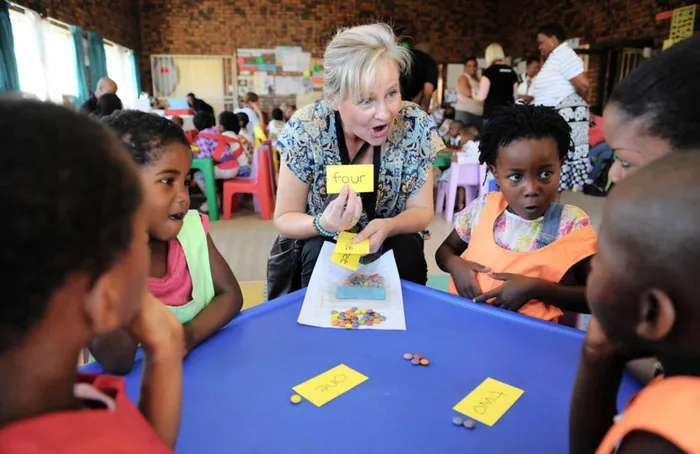
In South Africa, families are encouraged to harness the power of compassion in child development, nurturing a generation equipped to create meaningful change in society.Picture illustrative.
Image: Dumisani Sibeko
In a nation tirelessly striving for unity, the architectural blueprints for a cohesive South Africa are not being drawn in boardrooms or parliament, but within the living rooms of ordinary families. Experts are increasingly calling for parents to prioritize emotional awareness, arguing that the 'soft skills' of kindness and empathy are actually the hard currency required to bridge our historical divides.
According to Patronella Sono, Specialist of the Staff Volunteering Programme at Momentum Group, the way parents articulate messages and embody core values significantly influences how children perceive their roles within the broader community. "Parenting is perhaps the most profound responsibility we carry," Sono said. "Yet we often overlook one of the most powerful tools at our disposal: the intentional cultivation of compassion.
The foundation of this development lies in the "power of words." The phrases employed by caregivers are not merely fleeting moments of conversation; they become internalized by children, forming the psychological architecture of their self-worth. When children hear affirming messages of potential—reinforced by attentive, active listening—they develop a resilient self-esteem.
This principle is especially pivotal during the primary school years, a period marked by remarkable neuroplasticity. During this window, the brain’s ability to form new neural pathways is at its peak. Teaching virtues such as forgiveness and empathy during this stage yields developmental benefits that establish emotional habits for a lifetime.
However, instruction alone is insufficient. In the world of child development, observation often outweighs verbal command. Children are "social sponges," learning respect and grace by witnessing their parents navigate the world. "It’s crucial to be the kind of person you wish your child to grow into," Sono emphasized. When a child sees a parent treating a service worker with dignity or navigating a challenge with composure, they receive a masterclass in practical compassion.
To move these concepts from theory into practice, many families are turning to community service. Volunteering as a unit—whether through local clean-ups or supporting the elderly—transforms "giving back" from an abstract duty into a core family value.
Sono describes family volunteering as a "learning laboratory" where children see the direct impact of their efforts. These experiences nurture a sense of agency, proving to young hearts that they possess the power to effect meaningful change. Furthermore, the inter-generational bonds formed through these acts—such as sharing stories with elders—reinforce patience and mutual understanding.
The long-term impact of this emotional investment is backed by rigorous research. Professor Tharina Guse of the University of Pretoria said that kindness enhances positive emotions for both the giver and the receiver, acting as a robust indicator of long-term happiness and resilience.
As compassion becomes a learned behavior, it radiates outward. What begins at the dinner table eventually flows into peer groups, schools, and workplaces. By fostering emotional intelligence today, South African families are doing more than raising polite children; they are weaving a stronger, more tolerant social fabric for the entire nation.