Tackling the food waste crisis in South Africa: a call to action


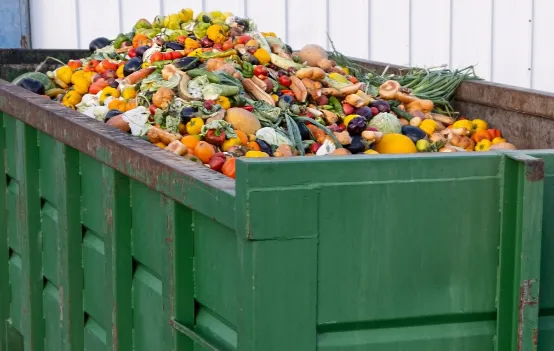
South Africa faces a food waste crisis as climate change compounds global hunger.
Image: Supplied
Food waste has transcended from a mere inconvenience to an urgent global and local crisis, with implications that affect comfort, sustainability, and economic resilience. According to the United Nations, approximately 14% of food produced fails to make it from harvest to retail, while a staggering 19% is wasted across households, the food service industry, and retail combined.
In total, nearly one-third of food produced for human consumption is squandered globally, a shocking statistic in light of the 363 million people projected to face acute hunger in 2026. The irony strikes hard. While millions are hungry, the resources that could alleviate this plight are being thrown away.
In South Africa, the ramifications of this worldwide issue have hit home, with estimates indicating that the nation wastes around 10 million tonnes of food each year. This inefficiency permeates the entire value chain, from agricultural production to retail and finally to households, underscoring the need for urgent action.
“food waste represents a critical missed opportunity— not only in lost resources but also in how we manage waste as an integrated system,” states Shoba Govender, Commercial Director at Interwaste. “This year’s theme for International Day of Zero Waste: Food Waste highlights the need for integrated, scalable solutions that treat waste not as a burden but as a recoverable resource.”
Recent paradigms in waste management reveal a crucial shift in how society perceives food waste. No longer is it simply a matter of disposal; there is a growing recognition of the potential to repurpose waste creatively and sustainably. Interwaste, one of South Africa's leading integrated waste management companies, is at the forefront, offering innovative solutions to tackle food waste alongside various other waste streams, including general waste, recyclables, and hazardous materials. By skilfully diverting organic waste away from landfills, Interwaste is instrumental in curtailing methane emissions and aiding sustainable practices like composting and anaerobic digestion.
However, tackling food waste demands collective action that spans the entire value chain. Here are several impactful strategies:
- Prevention first: Improving inventory management and consumer awareness using AI and waste tracking tools can help to minimise waste right at the source.
- Separation at source: Encouraging the separation of food waste aids recycling and recovery initiatives, making them more effective.
- Circular solutions: Transforming food waste into valuable resources such as compost or biogas can help turn a problem into a solution.
- Partnerships: The collaboration of industries, governments, and communities is crucial to scaling sustainable waste solutions.
Beyond systems and infrastructure, fostering behavioural change among businesses and consumers is equally vital. Simple strategies like meal planning, proper food storage, and donating surplus food can have a significant impact on reducing waste both at home and in the workplace.
“Achieving zero waste is not about eliminating waste overnight, but about rethinking how we design, use, and recover resources,” adds Govender. “By embedding circularity into our waste management approach, we can turn the challenge of food waste into an opportunity for environmental sustainability and economic resilience.”
As the world observes International Day of Zero Waste on 30 March, Interwaste is calling on businesses, policymakers, and individuals alike to take collective responsibility. Reducing food waste is not a mere aspirational goal; it stands as one of the most immediate and impactful strategies to combat climate change, bolster food security, and pave the way for a more sustainable future.