Western Cape expands Protected Area network with over 20 new nature reserves


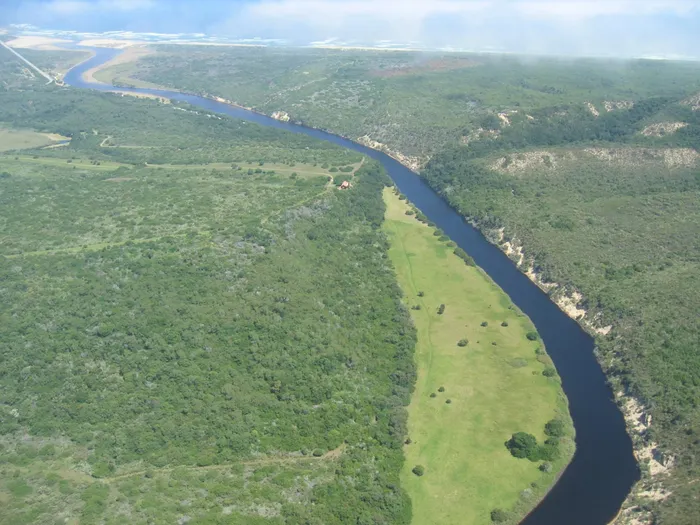
Buffalo Valley Nature Reserve
Image: Guy Thesen
The Western Cape has taken a monumental step towards environmental conservation by integrating over 20 new nature reserves into its Protected Area network, securing more than 81,715 hectares of ecologically significant land. Declared between April 2025 and March 2026, these reserves are a testament to the province's unwavering commitment to preserving vital landscapes, species, and diverse vegetation.
Spanning iconic regions such as the Cederberg, Agulhas Plain, Little Karoo, and Garden Route, the new reserves vary in size from intimate properties to vast mountain ranges and lowland areas. Through an innovative initiative known as CapeNature’s Biodiversity Stewardship Programme, landowners can voluntarily pledge their land to be formally recognised as a Protected Area, thereby contributing to an extensive conservation effort.
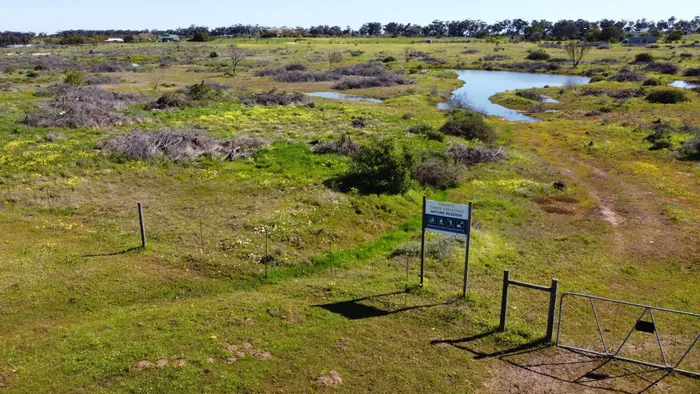
Franco Three Fountains
Image: Jacques van der Merwe, City of Cape Town
Western Cape MEC for Local Government, Environmental Affairs and Development Planning, Anton Bredell, emphasised the importance of these declarations.
“The Cape Floristic Region is one of 36 recognised global biodiversity hotspots. These hotspots, while rich in biodiversity, are among the most threatened areas for plant and animal life. A healthy and resilient ecosystem is crucial for sustaining livelihoods and promoting economic growth.”
The province’s recent achievements align closely with the Global Biodiversity Framework 30x30 initiative, which aims to formally protect 30% of the planet’s land and oceans by 2030. This global pact underscores the necessity for localised action in biodiversity preservation, an issue that resonates deeply with the residents of the Western Cape.
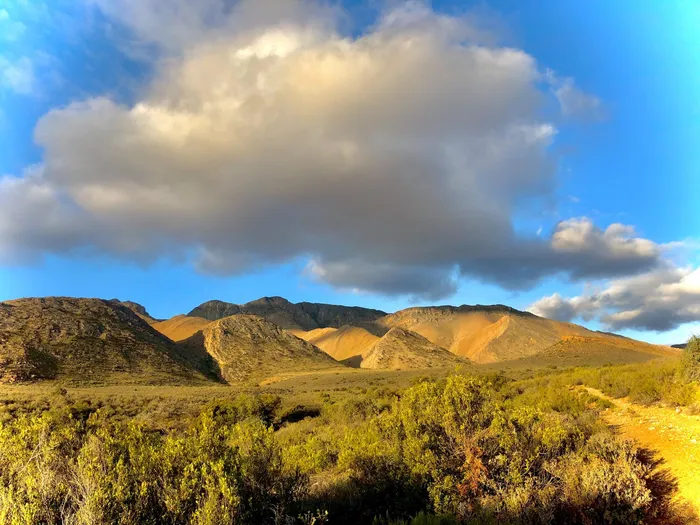
Lettas Kraal Nature Reserve
Image: Lettas Kraal Facebook
Dr Ashley Naidoo, CEO of CapeNature, said that the new declarations are a collaborative effort, reliant on the commitment of landowners partnering with conservation agencies and the provincial government.
“Together, we are taking steps toward securing a healthier, more resilient environment for decades to come,” he remarked.
While many of the newly designated reserves are owned privately, some, such as the Anysberg Nature Reserve and Knersvlakte Nature Reserve, are managed by CapeNature, which has expanded their areas. Guidelines regarding public access will be established in accordance with land-use and conservation guidelines. For those interested in visiting privately managed reserves, reaching out directly to the respective reserve is advised.
For landowners in the Western Cape interested in making a substantial impact on conservation efforts, CapeNature encourages outreach to its Stewardship Team at [email protected] to initiate the process of formally protecting their property.