Emotional connections: the role of toys in the lives of rescued animals


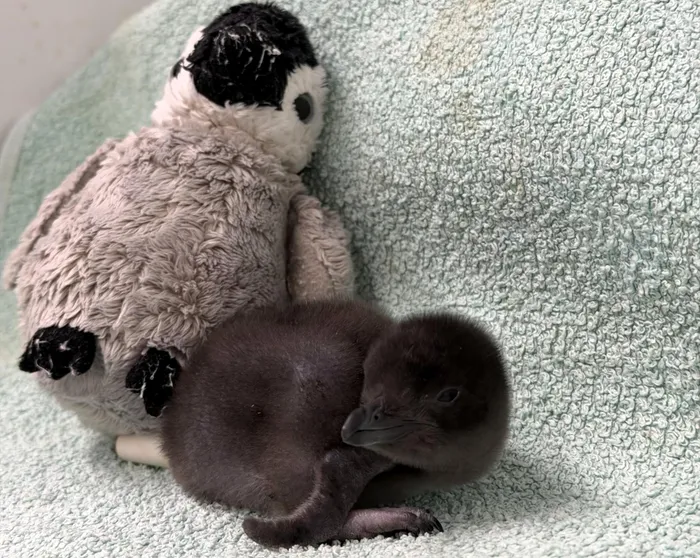
Henry cuddles with a small stuffed penguin toy this winter at Sea Life Weymouth in Britain.
Image: The Washington Post
In a heartwarming glimpse into the lives of orphaned and rescued animals, caregivers around the globe have shared touching stories of how these creatures form deep attachments to their toys. From playful chimpanzees to gentle elephants, their tales reflect the emotional connections that transcend species, offering a unique look into the importance of comfort and companionship in the animal kingdom.
One particular hero of this narrative is Punch the monkey, who endeared himself to many when he was observed at a Japanese zoo, desperately clinging to a stuffed orangutan while struggling to forge friendships with other primates. Punch’s journey resonated with audiences around the world, highlighting the fact that in the absence of family, a simple toy can become an invaluable source of comfort.
Dr. Marc Bekoff, professor emeritus of ecology and evolutionary biology at the University of Colorado at Boulder, sheds light on this phenomenon. He notes that newborn mammals instinctively seek out contact for comfort, and rescue animals often turn to toys for solace when separated from their families. “It brings them joy, and it makes them feel good,” he explains, emphasising the therapeutic role toys play in the lives of these creatures.
The enduring bond of toys
At Project Chimps in Georgia, Lizzy, a 35-year-old chimpanzee, stands out for her unwavering affection for a small Grinch doll. With a collection hoarded over time, Lizzy’s doll offers her a companion as she roams the sanctuary’s woods, lounges in the sun, or crafts elaborate nests from blankets and boxes. Lizzy’s attachment is significant, not only because of the joy it brings her but also because it represents her need for companionship in a world from which she and many of her peers have been forcibly removed.
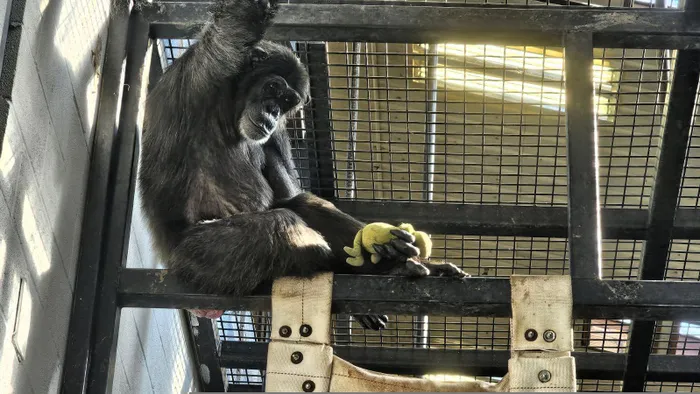
Lizzy, a chimpanzee at Project Chimps in Blue Ridge, Georgia, holds a Grinch doll. She carries it everywhere, staff members say.
Image: The Washington Post
Meanwhile, down in the English seaside town of Weymouth, newborn penguin Henry has made his own plush friend, a little toy named Tom. Initially, Henry was tucking himself against Tom as he grew in strength and size, preparing him for life amongst a larger penguin colony. Aquarium staff view the toy as vital to Henry’s emotional development, as it replicates the comfort one expects from a parent.
Then there’s Foxie, another chimpanzee residing at Chimpanzee Sanctuary Northwest in Washington. Rescued from the biomedical research industry, Foxie’s love for her collection of dolls — including iconic characters like Strawberry Shortcake and Dora the Explorer — is both touching and revealing. These dolls serve as a way for her to reconnect with her maternal instincts after a life that forced her apart from her children.
Adapting with affection
For Kaikai, a young African elephant discovered orphaned in Kenya, the attachment to a rubber tire displays a meaningful bond in a different context. At just nine months, Kaikai plays with the tire, rolling it and even using it as a pillow. Her happy disposition suggests a resilience nurtured by the companionship that her toys bring in a tumultuous aftermath of loss.
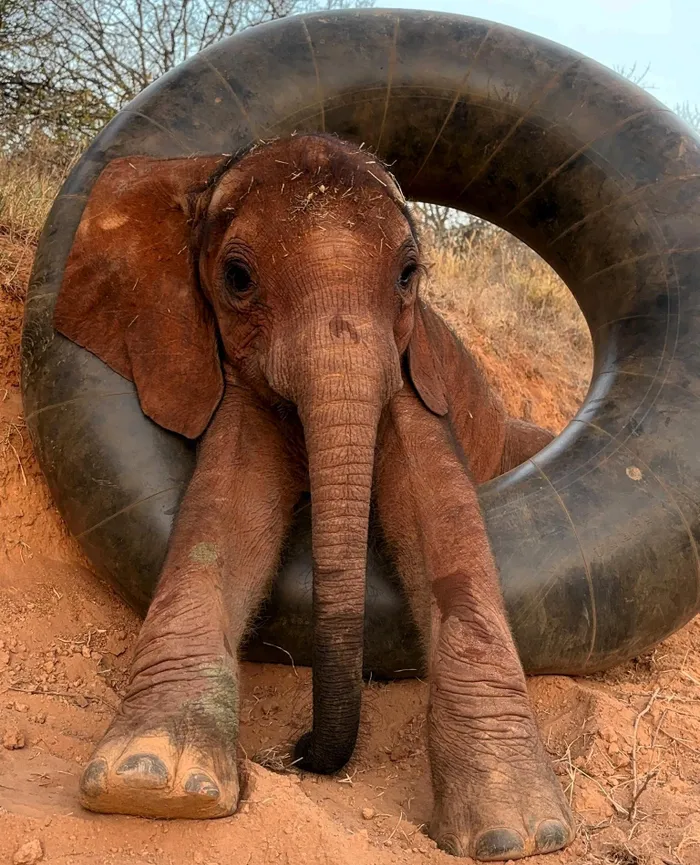
African elephant Kaikai, who lives at Kenya's Sheldrick Wildlife Trust, with her favorite toy.
Image: The Washington Post
Nyia, another chimp at Project Chimps, is distinctively drawn to blue blankets. Her requirement for the exact shade reveals a fascinating preference that caregivers cater to, washing the beloved item when its dirt grows unmanageable. Nyia’s interaction with the blanket highlights how these attachments can provide psychological security and a sense of normalcy, even amid shelter and care.
Finding strength in community
Even animals like Briar, a mountain lion cub found alone at a mere month old in California, have demonstrated incredible resilience through toy companionship. A stuffed dog served as a source of comfort during his recovery at the Oakland Zoo, helping him adjust to an unfamiliar environment. Today, Briar thrives in the company of other mountain lions, showcasing the importance of both animal-toy connections and the communal bonds formed among his peers.
The heart-wrenching yet uplifting tales of these orphaned animals remind us of the innate need for companionship. They come from varying backgrounds across species, yet each showcases a universal truth: toys can bridge the divide left by lost family. As caregivers foster these unique relationships, they not only provide comfort but also a sense of security that resonates deeply within the animal world.