Africa's coastlines face unprecedented sea level rise due to 2023 El Niño


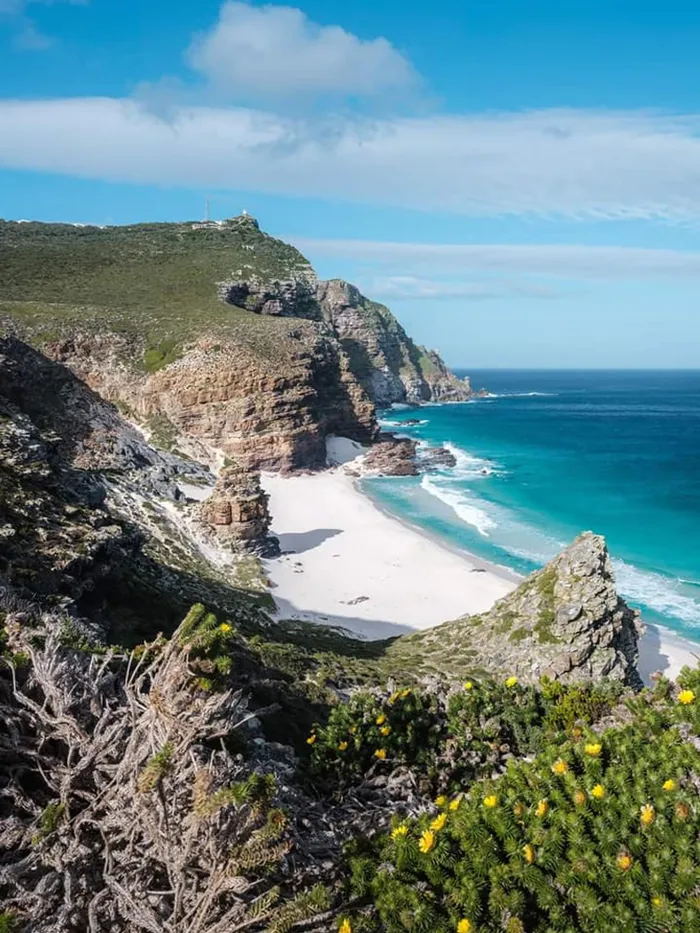
Africa's coastlines are in crisis: unprecedented sea level rise linked to 2023 El Niño.
Image: Supplied
A groundbreaking study conducted by researchers at the University of Cape Town's (UCT) Department of Oceanography has unveiled alarming findings regarding the state of Africa's coastlines. As highlighted in the recent publication in Communications Earth & Environment, tthe 2023-2024 El Niño event has triggered the most significant sea level surge ever recorded in the region, surpassing even the historically potent 1997-1998 phenomenon, signalling an urgent challenge for the continent's coastal nations.
The extensive research analysed over three decades of satellite data collected from 1993 to 2024, spanning the Atlantic Ocean, Indian Ocean, Mediterranean Sea, Red Sea, and adjacent waters surrounding Africa. The results reveal that regional sea levels have risen by 11.26 centimetres since 1993, a rate that outpaces the global average with an alarming acceleration of 0.14 millimetres per year squared. This substantial increase is redefining the coastal landscape and endangering millions of lives.
A record-breaking climate event
When isolating the effects of natural climate cycles from the long-term trend of rising seas, the 2023-2024 El Niño event resulted in a sea level anomaly of 27 millimetres—an unprecedented figure that dwarfs the 19 millimetres recorded during the 1997-1998 event. What set this latest occurrence apart was not solely the El Niño phenomenon itself but a rare alignment of multiple climate patterns that preceded it. Factors such as the Indian Ocean Dipole, the Atlantic Niño, and the Tropical North Atlantic index all reached record-positive levels, priming the ocean to react with unusual intensity.
Dr Franck Ghomsi, the study's lead researcher and a postdoctoral fellow at the Nansen-Tutu Centre for Marine Environmental Research at UCT, said, “We are witnessing a fundamental shift in how the ocean responds to climate variability. The 2023-2024 event interacted with an ocean already preconditioned by multiple climate forces and excessive heat, creating a compound effect that pushed sea levels to heights we have never seen in the satellite record.”
Trapped heat, rising seas
The study also highlights that thermal expansion—where water physically swells as it heats—accounted for over 70% of the total rise during this event. Essentially, the ocean was experiencing a fever as typical wind patterns that typically bring cold, nutrient-rich water up from the depths were effectively suppressed. This led to the accumulation of hot surface water along Africa's coastlines.
Furthermore, the ocean became highly stratified or layered, trapping heat near the surface and preventing it from mixing with cooler waters below. This stratification intensified heating, resulting in quadrupled ocean heat content relative to previous events. The consequences of this feedback loop are dire; not only are sea levels rising, but the ecological integrity of marine life is also under severe threat.
A continent at a crossroads
The research identified a critical turning point around 2009 when sea level rise accelerated by an astonishing 73%. Following that year, the rate of increase jumped from 2.72 millimetres per year to 4.70 millimetres per year. The 2023-2024 period alone contributed 2.34 centimetres—approximately one-fifth of all rise recorded since 1993. This acceleration poses serious risks for Africa's 38 coastal nations, where over 15 million residents now face heightened flood risk.
Urban centres such as Lagos (Nigeria), Douala (Cameroon), Accra (Ghana), and Dar es Salaam (Tanzania) are becoming increasingly vulnerable to rising waters, land subsidence, and extreme weather events. Small Island Developing States, including the Seychelles and Comoros, are equally at risk; even a single millimetre increase threatens their infrastructure, fresh water supplies, and overall habitability.
A call for urgent action
The ecological threat extends beneath the ocean, as the suppression of cold waters jeopardises marine life vital for the livelihoods of millions. Furthermore, this could lead to significant biodiversity loss and food security issues across West Africa and island communities.
The researchers advocate for urgent action to address this looming crisis, emphasising that Africa’s coastlines now represent critical early warning indicators of interconnected climate hazards. They recommend the expansion of ocean monitoring networks, enhancement of early warning systems that integrate scientific and indigenous knowledge, and the development of coordinated regional adaptation strategies.
“This research closes a critical knowledge gap regarding African sea levels. But knowing the data is only the first step. We must leverage this information to inform policy, construct resilient infrastructure, and safeguard the vulnerable ecosystems and communities that define our continent’s coastline,” Ghomsi said, The findings of this study also support the urgent calls made during international climate summits for emissions reductions and investment in Africa's climate observation infrastructure.