Top 5 critical insights into crime and police accountability in South Africa


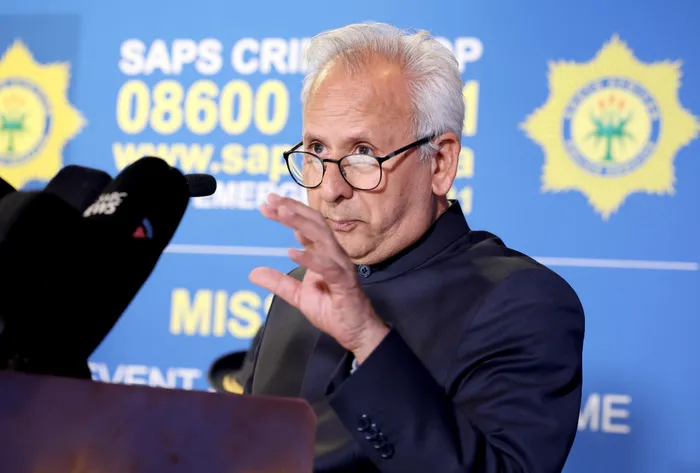
Acting Police Minister Firoz Cachalia announced a comprehensive evaluation of police strategies to combat the rising tide of gender-based violence, following alarming crime statistics that reveal regional increases in sexual offences and femicide.
Image: File
Here are the top 5 highlights on crime and police accountability in South Africa on the back of the release of the latest crime statistics.
1. High crime rate fuels public distrust in police
The country is facing a severe crime situation, with an average of 70 people murdered every day equating to 6,351 murders between October and November last year. This has led citizens to welcome the deployment of the National Defense Force due to a profound loss of trust in the South African Police Service (SAPS).
2. Low conviction rate for police misconduct
Figures from the Independent Police Investigative Directorate (IPID) for 2024/2025 reveal a significant problem with accountability:
- Drinking and Driving: Out of 128 cases recommended for prosecution, only 46 convictions were secured- about 36% conviction rate.
- Theft: Out of 141 matters recommended for prosecution, only 39 convictions were ultimately recorded.
- Drug Possession: Out of 73 recommended for prosecution, only 21 convictions were secured - about 29% conviction rate.
3. Internal discipline is perceived as ineffective
The gap between recommended prosecutions and final convictions suggests officers face limited consequences. Examples include an officer remaining employed despite facing eight drinking and driving charges over a decade, and another receiving only a one-month suspension without pay for causing a multi-vehicle collision while driving a state vehicle under the influence. A criminal conviction does not automatically lead to dismissal from SAPS.
4. Leadership failure undermines trust and encourages corruption
Experts warn that the lack of accountability and the light treatment of minor offenses such as drunk driving create a corrosive culture. Dr. Simon Howell notes that "internal corruption at a lower level is often a function of internal corruption at a higher level." Community activist Jay Jay Idel states that strong leadership at the station level makes a clear difference in performance and discipline.
5. Alleged protection of corrupt officers hinders oversight
A DA NCOP Member, Nicholas Gotsell, criticised the Western Cape Provincial Police Commissioner for allegedly creating a culture where "corrupt and compromised officers are protected," citing instances of overturning dismissals. He argues that this breakdown in basic discipline is where the "rot begins," escalating into serious criminality, and he also points to an incident where parliamentary oversight on police escapes was allegedly prevented.