The Nadia Lotz murder trial: a spotlight on gender-based violence in South Africa


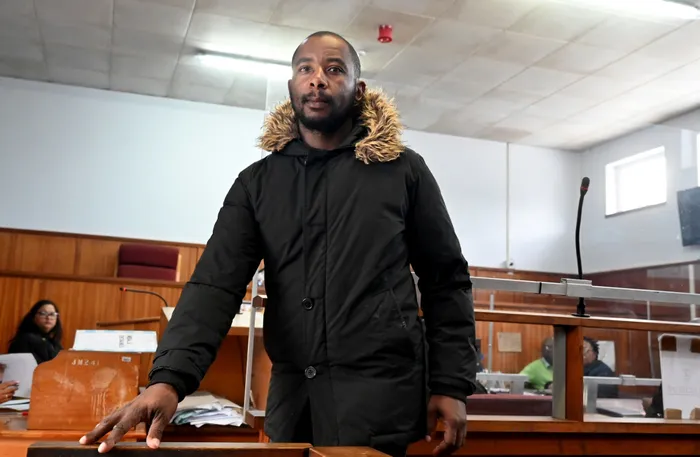
Charles Appolis has been found guilty of the murder of Nadia Lotz at the Strand Regional Court .
Image: Ayanda Ndamane/ Independent Newspapers
The Nadia Lotz murder trial has put the spotlight on the alarming rise in gender-based violence in South Africa. Although there was a decrease in the number of murders in the Western Cape, the number of rapes and sexual violence incidents in the province increased.
Based on the most recent reports from the 2025/2026 financial year (covering data released as recently as February 20, 2026).
Recent Western Cape crime context (Oct – Dec 2025)
Total Murders: The Western Cape saw a 3.4% decrease in overall murders in the third quarter of 2025/26.
Sexual Offences and Rape: Unlike the national trend, the Western Cape was one of only three provinces (alongside KZN and Mpumalanga) to record an increase in reported rapes and sexual offences during this period.
Hotspots: Areas like Nyanga, Khayelitsha, and Delft remain the most violent precincts in the province.
The 'Statistical Gap' in femicide data
As of late 2025 and early 2026, SAPS and advocacy groups like Action Society have noted a significant issue:
Data Withdrawal: SAPS recently withdrew specific disaggregated datasets for "murder and attempted murder of women" due to identified "anomalies" and inconsistencies in how the data was recorded.
Domestic Context: National data from 2024/2025 indicated that of the women murdered in South Africa, roughly 11–13% were confirmed victims of domestic violence. However, advocates argue this number is underreported because many "common" murders are later found to be intimate partner related.
National benchmarks
Femicide Rate: South Africa’s femicide rate is approximately 12.2 per 100,000 women—about five to six times the global average.
Intimate Partner Violence (IPV): Roughly 1 in 3 women in South Africa have experienced physical violence from an intimate partner.
The "National Disaster": In 2025, President Ramaphosa declared Gender-Based Violence and Femicide (GBVF) a national disaster, reflecting the continued severity of the crisis despite marginal fluctuations in reporting.