Nadia Lotz: what the verdict tells us about South Africa's fight against gender-based violence


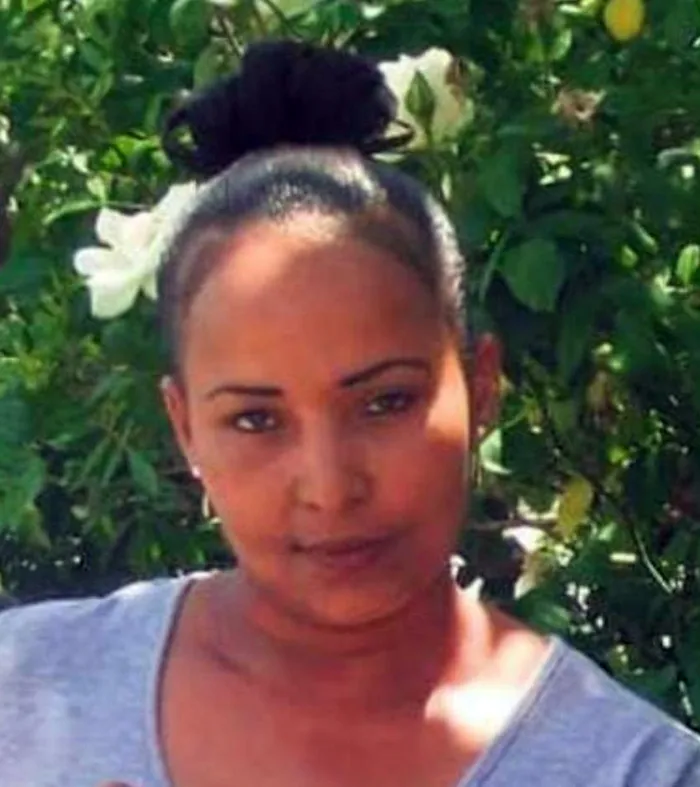
Nadia Lotz, 32
Image: Supplied
After 1,084 days and 23 postponements in the Nadia Lotz murder trial, the "Guilty" verdict represents more than just a legal decision; it’s a long-overdue validation for Nadia’s loved ones.
The details of the case highlight several significant themes often seen in high-profile South African domestic violence trials.
Key takeaways from the verdict
The "Friend" Alibi Rejected: the magistrate’s rejection of Appolis’s claim that Kristine Moodley (Nadia's best friend) was the killer is pivotal. The court found his narrative—that Moodley acted out of jealous love for him—to be inconsistent with independent eyewitness testimony.
Crucial Eyewitness Testimony: The testimony of the driver behind the vehicle was the "nail in the coffin" for the defense. By confirming there was a man in the back seat and describing Moodley’s hysterical reaction upon returning to the scene, the witness dismantled the accused's version of events.
The Confession: The magistrate noted that Appolis’s initial words at the police station—"ek het die ding vrek gesteek, ek het my meisie gesteek"—were a moment of clarity and admission that he later tried to walk back, unsuccessfully.
The impact of 'Justice Delayed'
As Kaylynn Palm from Action Society noted, the three-year delay puts an immense emotional toll on the family. In the South African context, this case serves as a stark reminder of:
Systemic Bottlenecks: How defense-requested postponements can drag a trial out for years.
The Importance of Advocacy: The role of organizations like Action Society in keeping public pressure on the courts to ensures cases don't simply "fall off" the roll.
Deterrence: The hope that consistent convictions in Gender-Based Violence (GBV) cases will eventually shift the needle on South Africa’s high rates of intimate partner violence.
What’s next?
The trial phase is over, but the legal process concludes with the Sentencing on 19 March 2026. Given the brutality of the attack (15 stab wounds and a slit throat), the prosecution will likely argue for a heavy sentence, potentially life imprisonment, citing the premeditated and heinous nature of the crime.