Urgent action needed as foot-and-mouth disease devastates livestock in South Africa

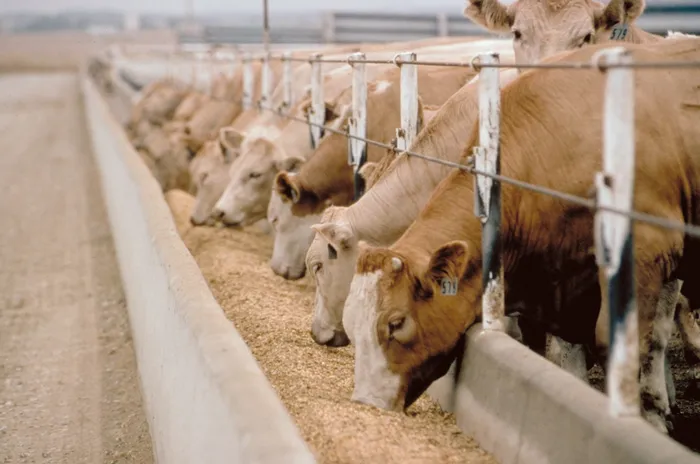
National disaster looms as foot-and-mouth disease wreaks havoc on livestock sector.
Image: File
As South Africa gears up for a festive season, a looming agricultural catastrophe is casting a long shadow over the nation’s livestock sector. The Foot-and-Mouth Disease (FMD) crisis is not just a health emergency; it represents a systemic breakdown within the government's response, which is exacerbating the situation for farmers across the country, leading to devastating financial losses and a critical threat to food security.
With the suspension of beef imports to China and losses tallying in the billions, the stakes could not be higher.
Recent statistics reveal the full extent of the crisis—with 270 confirmed FMD outbreaks recorded across five provinces, 249 of which remain unresolved as of late 2025. The epicentre of the outbreak is KwaZulu-Natal, where 191 reported cases have been recorded since the outbreak began in 2021, with a staggering 172 still active.
This represents a sharp increase from the 183 outbreaks reported across six provinces in late 2022, highlighting an urgent need for biosecurity measures and improved containment strategies.
The severity of the situation is echoed by the Milk Producers' Organisation, which warns that the current trajectory threatens "national food security, rural livelihoods, and the stability of the dairy value chain." The impact is palpable, with a notable decrease in milk production from affected farms threatening the livelihoods of thousands of rural families.

Agriculture Minister John Steenhuisen
Image: Phando Jikelo / Parliament of RSA
The government's triple failure
Critics, including the political opposition from the Freedom Front Plus (VF Plus), have highlighted three critical failures of the Department of Agriculture under Minister John Steenhuisen's leadership, suggesting these have exacerbated the crisis.
- Ineffective Movement Control: The illegal movement of infected livestock is rampant, undermining all containment efforts. Law-abiding farmers are being penalised for adhering to quarantine regulations while their illegal counterparts operate unchecked, particularly in areas driven by lawlessness.
- Slow Diagnostics: The delay in test results—often extending over two weeks—jeopardises containment efforts since infected animals can recover by the time results are confirmed. This lag also allows surrounding herds to be moved prior to the quarantine, facilitating further spread of the disease.
- Collapse of Local Vaccine Capacity: Once capable of producing a sufficient vaccine supply, Onderstepoort Biological Products (OBP) is now failing to meet demands, leaving the country reliant on costly imports from the Botswana Vaccine Institute. Progress on expanding this capacity is painfully slow, with the government yet to license private facilities capable of filling existing voids.
In light of these challenges, the VF Plus has urged the government to take immediate and decisive action, advocating for stricter enforcement of existing regulations and a concerted focus on essential issues like testing, traceability, and vaccination access. "This is within reach of government—if it would only try," they stated, stressing the urgency of the situation.
As farmers brace for increased challenges ahead, the fate of South Africa’s livestock sector hangs in the balance. With the festive season approaching and expectations for plentiful food supplies on the rise, the repercussions of this crisis could resonate far beyond farming communities, leading to a food security emergency that threatens the very fabric of the nation.