South Africa's property market: five key trends to watch in 2026


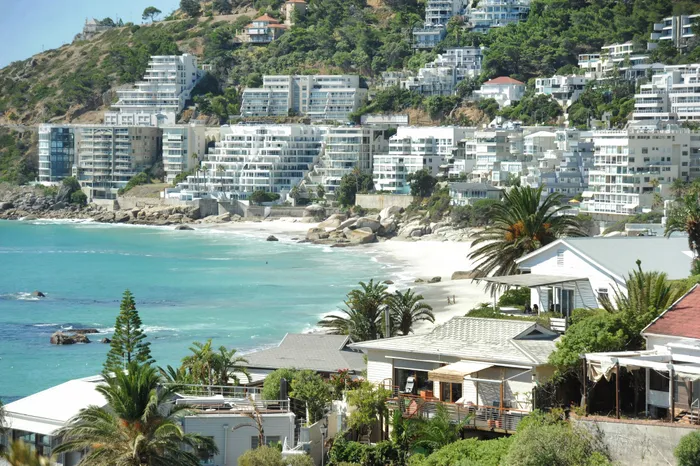
Property analysts are optimistic about property prices and has given five trends to look out for in 2026.
Image: Armand Hough/African News Agency (ANA)
After a challenging period marked by affordability woes and sluggish sales in 2024, South Africa's residential property landscape has shown remarkable resilience, defying forecasts with a steady recovery in 2025. This resurgence has been underpinned by a significant drop in the prime lending rate, now at 10.25%, setting an optimistic tone for potential investors eyeing 2026.
“We end 2025 with the prime lending rate a full percentage point lower than January,” explains Grant Smee, CEO of Only Realty Property Group.
“With economists anticipating two further 25-basis-point cuts by mid-2026, the outlook for property investors is becoming increasingly promising.
”However, challenges remain, particularly due to ongoing diplomatic tensions affecting the rand’s strength. Fortunately, the currency has rebounded impressively, enhancing consumer spending power and opening up more opportunities in the property market.
As the recovery takes hold, Smee identifies five significant trends that are poised to shape the South African residential market in 2026.
House price inflation stabilising
House Price Inflation (HPI) witnessed a remarkable surge in 2025, exceeding consumer inflation for the first time since the pandemic. This trend, considered a turning point for the residential sector, is expected to moderate in 2026. Smee advises homeowners to temper their expectations, stating that while positive growth remains on the horizon, it may not reach the dizzying heights experienced last year.
“The majority of forecasts suggest a normalisation of the market, which is not necessarily a bad thing,” he notes. “This moderation could lower barriers for first-time buyers, particularly in coastal areas where demand is driving appreciation.”
Gen Z's growing interest in rentvesting
With the eldest members of Gen Z turning 29 next year, this cohort is entering the job market with increased disposable income. However, most remain unable to purchase homes, leading to a trend of “rentvesting”—whereby young investors buy properties in more affordable areas for rental income while renting lifestyle homes in more coveted locations.
“The tech-savvy Gen Z is increasingly turning to social media for financial guidance,” shares Smee. “Platforms like TikTok have birthed influencers advocating for rentvesting as a legitimate path to investment, while also showcasing aspirational lifestyles.” However, he cautions young investors to be wary of overextending themselves financially to achieve desired appearances.
Increased demand for sectional title properties
As remote work wanes, many South African companies are calling employees back to the office, creating demand for sectional title properties. These units are becoming attractive to those who moved away from urban centres during the pandemic but now seek proximity to work and schools.
“The FNB 2025 Property Barometer indicates rising sales volumes for sectional titles, with equity values finally surpassing freestanding homes,” Smee notes. “This trend is anticipated to accelerate in 2026, especially as affordability issues persist, making these units a practical choice.”
Foreign interest shifts to Gauteng
South Africa witnessed substantial foreign investment in 2025, with the average purchase price for foreign buyers reaching R 2.7 million—significantly higher than local buyers. The propensity for foreign buyers to target high-value properties is expected to maintain pressure on both premium and adjacent mid-market areas, particularly in Gauteng.
“Johannesburg’s impressive performance during the G20 Summit and ongoing infrastructure developments have significantly enhanced its global appeal,” observes Smee. “We can expect renewed international interest and spending in the province in 2026.”
The need for greater regulation on short-term rentals
The inflow of foreign buyers is producing ripple effects in the rental market. Data from 2025 reveals a concerning shortage of inner-city rental stock, as many residential properties are converted to short-term rentals to cater to tourists and digital nomads. This shift is leading to unaffordable housing situations for long-term residents.
“As demand for short-term rentals grows, so too will calls for stricter regulations,” warns Smee. “Cities such as Cape Town must strike a balance between facilitating tourism and ensuring the affordability of living spaces for residents.”
In conclusion, while 2026 promises to be dynamic for the South African residential property market, the outlook remains positive. Smee highlights that with interest rates easing, the rand strengthening, and clear drivers of demand emerging, informed and adaptable investors will discover a wealth of opportunities across all segments of the residential property landscape.