Western Cape Education Department ordered to address learner placement crisis


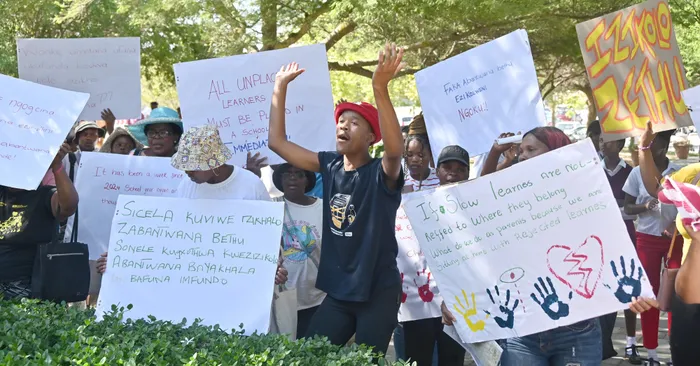
Equal Education at an earlier march for unplaced learners..
Image: Ayanda Ndamane
The Western Cape Education department has been ordered to come up with a comprehensive plan to deal with thousands of learners struggling to get placed at the start of the school year every year.
Because of the blockages every year that left learners without schooling for months on end, the organisation Equal Education (EE) and the Equal Education Law Centre (EELC) took the Western Cape Education Department to court, to force it to deal with the problem effectively.
The case was in reponse to the plight of students from marginalised communities, particularly in the Metro East areas of Khayelitsha, Kraaifontein, Kuilsriver, and Strand, where children from poor and migrant families were again found without school placements as the 2024 academic year approached. In their complaint, parents, backed by EE, argued that the WCED had inadequately planned for late and transfer learner applications, leading to an entrenched educational crisis.
In their decision, the court concluded that the WCED's admissions policy—specifically Clause 13 governing late admissions—was unconstitutional, striking it down for its failure to accommodate late and transfer applicants adequately. This clause has perpetuated unequal outcomes, creating a system that lacks accountability and fails to provide timelines, leaving many learners unplaced indefinitely.
“This is a systemic existential problem which the WCED has not prioritised to resolve,” stated EE and EELC, highlighting how the department's failures continuously push marginalised learners out of the educational landscape. In light of the ruling, the WCED has been ordered to implement a comprehensive admissions management plan within six months, incorporating clear timelines and methods for engaging with parents lacking documentation—an essential step towards inclusivity for all learners.
However, the emotions surrounding the judgement were mixed. Vanessa Le Roux, founder of Parents for Equal Education SA (PEESA), voiced a strong sense of urgency and frustration, demanding accountability and enforcement of the court's decision.
“This judgment means absolutely nothing if it’s not enforced," she said, reflecting the sentiment of many parents whose children remain unplaced
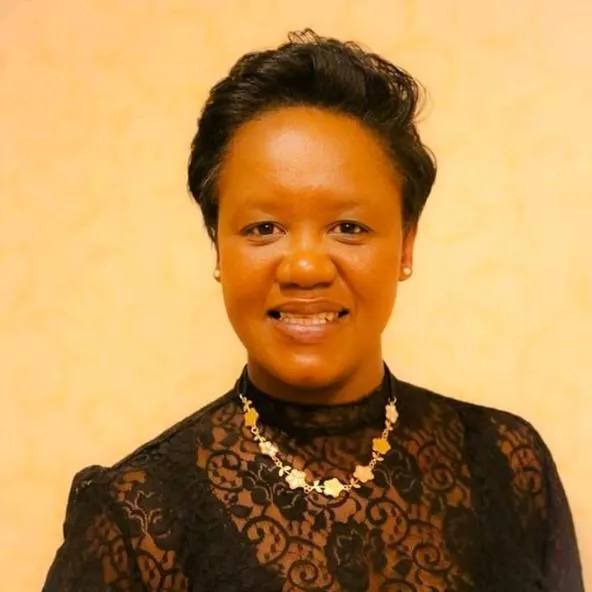
Vanessa Le Roux
Image: Supplied
Le Roux highlighted the grim realities facing thousands of children who fall through the cracks, alluding to tragic instances that underscore the harsh consequences of systemic failings. In stark contrast to the bureaucratic response from the WCED, Le Roux emphasised the real-life impacts: “When a child is being shot to the point where parents can only recognise them by their school shoes... this is not a victory to us.”
WCED spokesperson Kerry Mauchline acknowledged the judgement while asserting that it was not unanimous. The department maintains that it has made significant efforts to provide support for late applicants, asserting that strategies were in place for infrastructure investments targeted at areas with high demand.
“We are taking legal advice on the judgement, including on the potential for appeal,” indicating a possible extention of this battle.
While the ruling marks a moment of legal triumph for families long sidelined by the educational system, EE and EELC insist that the judgement highlights the lived experiences of Black and marginalised learners, drawing attention to the need for systemic reform that effectively rectifies the injustice of educational exclusion.