These are the top five export destinations for South African small and medium-sized businesses


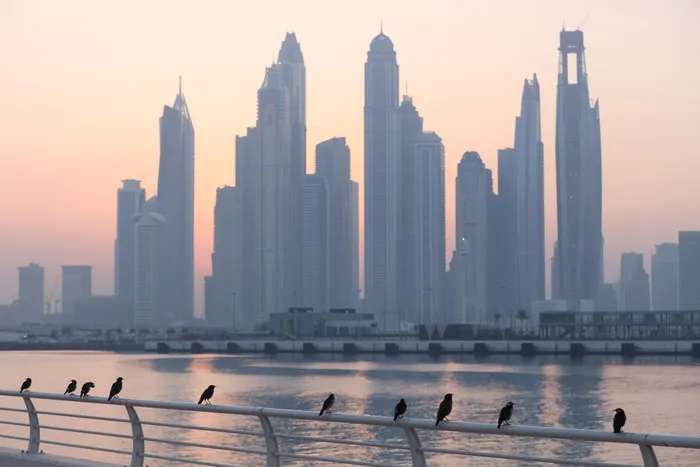
Small and medium-sized businesses are encouraged to export to the United Arab Emirates.
Image: Bloomberg
As the world increasingly seeks quality, sustainably produced goods, South African small and medium enterprises (SMEs) are presented with a golden opportunity to tap into the international market.
Nelson Teixeira, managing director of operations for Sub-Saharan Africa at FedEx, highlights that 2026 could be a pivotal year for these emerging businesses to scale beyond local frontiers. With the global appetite for luxury cosmetics, artisanal foods, and advanced manufacturing soaring, the future looks promising.
Teixeira identifies five key markets that South African SMEs should focus on, each presenting unique opportunities for expansion:
- United Arab Emirates and the Kingdom of Saudi Arabia: A gateway to the Gulf and Asia. The UAE stands as South Africa's second-largest trading partner on the continent, accounting for nearly 8% of the UAE's non-oil trade. With a robust demand for premium offerings like food, wine, and beauty products, South Africa’s exporters are well-positioned to meet the discerning tastes of UAE consumers. The establishment of 100% foreign ownership in Dubai and Abu Dhabi’s free zones, along with duty exemptions, provides an attractive environment for enterprises to penetrate the Gulf and Asian markets. Further cementing this potential, FedEx has launched its first dedicated flight to Saudi Arabia, enhancing connections and allowing African SMEs to tap into the kingdom's thriving economy.
- Germany: A sustainable anchor to Europe. As South Africa’s leading export partner in Europe, Germany's insatiable demand for artisanal and sustainable products offers a ripe opportunity for local SMEs. With a significant consumer shift towards ethically sourced goods, South African brands must prioritise transparency and fair-trade practices to make inroads into this competitive landscape. “Authentic storytelling around community impact will resonate well with German buyers,” Teixeira advised.
- India: A vast consumer base hungry for quality. Home to 1.5 billion people and experiencing a booming middle class, India stands as one of the fastest-growing economies globally. The growing prominence of online marketplaces further lowers barriers for South African exporters to engage with urban consumers without needing a physical presence. Understanding regional import requirements and leveraging logistics partnerships can effectively position SMEs for success.
- Singapore: A strategic Asian logistics and trade node. Export values from South Africa to Singapore have more than doubled in recent years, showcasing the growing significance of this trade node. Singapore’s focus on high-value manufacturing across various sectors presents a chance for SMEs to expand from raw commodity exports into value-added production.
- Broader Africa: Kenya and Nigeria lead the charge.Highlighted for their burgeoning digital economies and youthful populations, Kenya and Nigeria emerge as key markets for intra-continental growth among African exporters. The fast-expanding fintech landscape in Kenya and the burgeoning consumer class in Nigeria create attractive gateways for South African SMEs.
Teixeira reiterates that efficient logistics will be the main driver of success in harnessing these international opportunities. Tools such as FedEx's Global Trade Manager enable SMEs to navigate the complexities of international shipping with ease, facilitating compliance through clear regulatory guidance and effective delivery. “For local SMEs, there has never been a better time to go global. However, the ability to deliver across borders, coupled with streamlined customs processes and digital tracking, is essential for leveraging this demand,” Teixeira asserts.

India is another destination that local SMME's can export to.
Image: Pexels.
With the potential to broaden horizons and foster economic growth, South African SMEs are primed to make their mark on the international stage. The call for quality, sustainability, and innovation rings out, inviting local businesses to seize the moment and rise to the challenge.