Africa's ecosystems operate on less than two-thirds of their natural energy


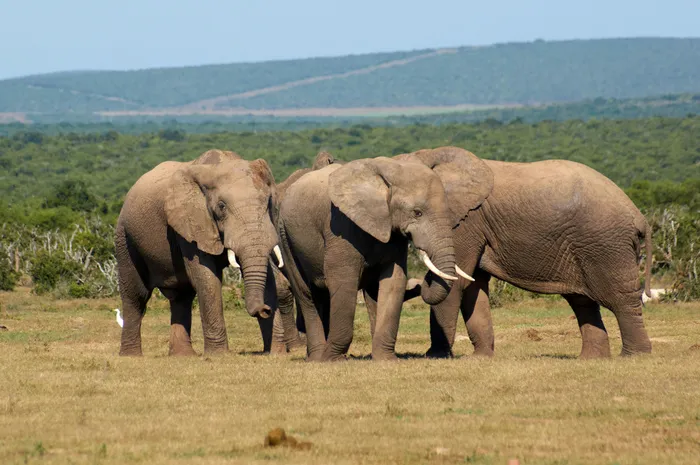
By mapping how energy flows through African wildlife food webs, the researchers found that total ecological energy has fallen by more than one-third since pre-colonial times, largely due to the decline of large-bodied species such as elephants, rhinos, and lions that once shaped and sustained the continent’s ecosystems.
Image: Unsplash
In a striking revelation, new research led by Oxford University has unveiled that Africa’s ecosystems are currently operating on less than two-thirds of the natural energy they once commanded. Published in the prestigious journal Nature, this study highlights a concerning decline in what scientists term “wildlife power,” which drives essential ecological functions such as nutrient cycling and seed dispersal. This loss places both biodiversity and the livelihoods reliant on it in grave peril and comes amid preparations for the COP30 climate conference in Brazil next month, where nature and climate will take centre stage.
The extensive findings, informed by an ambitious mapping of energy flows within African wildlife food webs, reveal a staggering reduction in ecological energy by more than one-third since pre-colonial times. The primary culprits of this decline are the significant losses of large-bodied species including elephants, rhinos, and lions, which once played indispensable roles in sustaining the continent’s diverse ecosystems.
“The most important, and alarming, result is the collapse of ecosystem functions performed by Africa’s megafauna,” asserted Dr Ty Loft, the lead author of the study and a researcher at Oxford’s Environmental Change Institute in the School of Geography and the Environment. He emphasised that large wild animals are crucial ecological engineers, the absence cannot simply be compensated for by smaller species or livestock. The cumulative impact of losing these giants poses a transformative threat to Africa’s landscapes and ecosystems.
A new way to measure ecological vitality
The research introduces an innovative “ecosystem energetics” approach, which meticulously quantifies energy movement through food webs—from sunlight captured by plants to the animals that consume it. By leveraging data from over 3,000 bird and mammal species across 317,000 landscapes, encompassing forests, savannas, and deserts, the researchers integrated six key ecological datasets. This included a fresh Biodiversity Intactness Index for Africa, developed using local expertise.
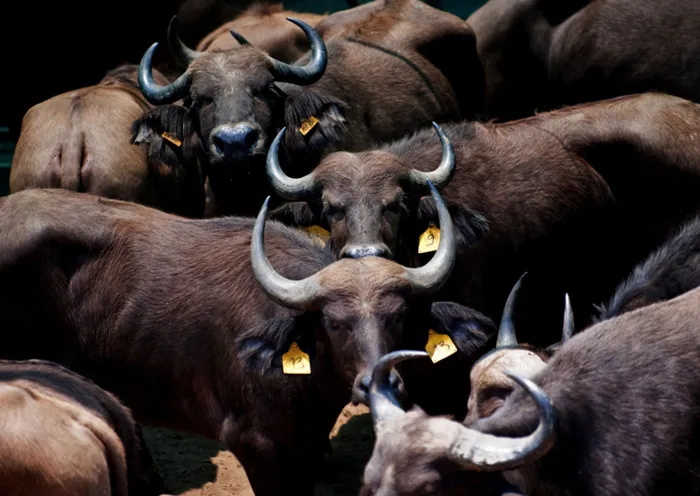
Wild buffalos waiting in an enclosure to be relocated in the Gorongosa National Park in Mozambique.
Image: File
This energy-centric perspective reveals not only the extent of biodiversity loss but also clarifies how such losses adversely affect nature’s functionality. While larger mammals have been disproportionately affected, smaller species—such as rodents and songbirds—are increasingly dominating the remaining energy flow in Africa.
“Energy flow is the shimmering web that holds together an ecosystem,” said Professor Yadvinder Malhi, co-author of the study and also part of Oxford’s Environmental Change Institute. He elaborated that through mapping the fluctuating strength of this web as animal populations decline or recover, they can observe significant reorganisation within life systems across the continent, offering a tangible representation of biodiversity loss.
A new tool for restoration and policy
Beyond merely diagnosing ecological decline, the study presents a pathway forward. Its energy-based framework can assist governments, conservationists, and corporations in addressing the growing need for metrics that gauge not just species counts but also the overall functionality of ecosystems—a far more accurate yardstick for recovery.
Across Africa, a variety of ambitious restoration projects aim to reintroduce wildlife and rehabilitate damaged landscapes. Yet, ecologists have previously struggled to forecast how shifts within animal communities—such as the emergence of smaller antelope species in Mozambique’s Gorongosa National Park in place of elephants and buffalo—impact crucial ecological processes like vegetation growth and water cycling.
“Restoration isn’t just about bringing animals back, it’s about reinstating the functions they perform,” Loft said. He added that an energetics approach offers practitioners a methodology to measure this restoration and prioritise the ecological processes that help maintain resiliency in ecosystems.
Global implications
The findings hold potential ramifications beyond Africa; they could fundamentally alter how scientists and policymakers evaluate biodiversity loss globally. By employing energy-based metrics, efforts to refine global biodiversity targets, such as those identified under the Kunming–Montreal Global Biodiversity Framework, may directly correlate species decline with the planet’s ability to cycle carbon, water, and nutrients.
“The loss of animal energy flow is not merely an ecological narrative: it is a Planet Earth narrative,” said Malhi. His powerful assertion draws a connection between the fate of individual species and the broader stability of the biosphere itself.