Rediscovery of the endangered Erica cunoniensis: a beacon of hope for conservation


The elusive rndangered Erica cunoniensis.
Image: CapeNature
After years of fear and uncertainty surrounding the fate of the Erica cunoniensis, an endangered plant species believed to be extinct since its last sighting in 2012, a remarkable rediscovery has breathed new life into conservation efforts. In a significant finding in September 2025, conservationists from CapeNature, alongside members of the Custodians of Rare and Endangered Wildflowers (CREW), unearthed eight specimens of this elusive plant during an expedition at Buffelstalberg in the Kogelberg Nature Reserve.
Known for its rich biodiversity, Kogelberg is home to approximately 1,800 plant species, of which 150 are endemic to the area. The reserve is noted for housing the only known population of Erica cunoniensis, previously documented with around 200 individuals. The expedition aimed to monitor the threatened flora of the region, showcasing the collaborative efforts in safeguarding South Africa's floral heritage.
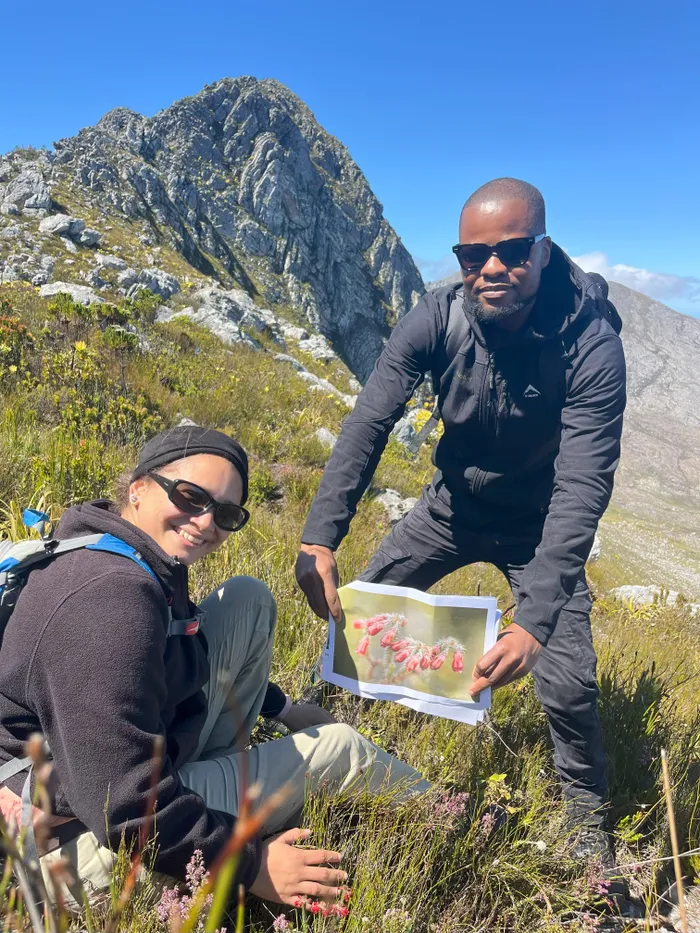
Takalani Makhomu and Cairestine Lottring share their excitement over the discovery
Image: CapeNature
The pivotal first sighting was made by Sylvia Wolita, a Pupil Field Ranger at Kogelberg, whose discovery has reignited hope for the conservation of this rare species. “Finding a rare plant species is a reminder that nature is both fragile and resilient,” she remarked. “The dedication of our field staff and partners helps us to achieve our mandate as custodians of the Western Cape’s incredible floral diversity.”
The excitement surrounding this sighting underscores the crucial role ongoing monitoring and conservation efforts play in the fight for biodiversity. Cairestine Lottring, another CapeNature Field Ranger involved in the search, expressed her enthusiasm, stating, “By combining expertise, curiosity, and commitment, we’re able to make meaningful contributions to biodiversity knowledge and ensure that even the rarest species are not forgotten.”
This exceptional rediscovery serves as a testament to the ecological importance of the Cape Floristic Region, designated as one of the most biologically diverse zones globally. Spanning nearly the entire Western Cape, the region boasts a staggering 13,489 recorded plant species, of which 6,776—approximately 50.2%—are unique to the province.
In light of the ongoing challenges facing this biodiversity hotspot, CapeNature remains committed to various conservation management activities, including fire prevention, invasive species management, and promoting responsible tourism and sustainable urban development. These efforts are instrumental in preserving the exceptional biodiversity that the Kogelberg Nature Reserve and the wider Cape Floristic Region have to offer.