Transforming Healthcare: insights from the Cape HealthTech Connect at Stellenbosch University


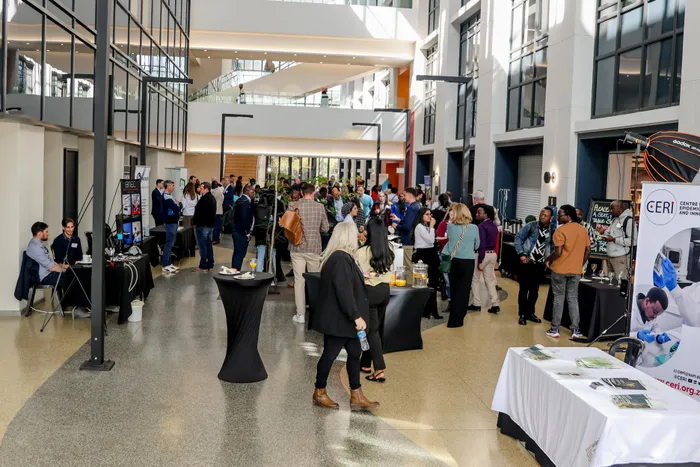
Delegates at the Cape HealthTech Connect event held at the Bio Medical Research Institute on the Tygerberg of Stellenbosch University.
Image: Supplied
In a groundbreaking initiative to bolster the HealthTech ecosystem in the Western Cape, the Centre for Epidemic Response and Innovation (CERI), along with the LaunchLab, Stellenbosch Network, and Innovus at Stellenbosch University (SU), hosted the inaugural Cape HealthTech Connect event at the Biomedical Research Institute (BMRI) on the Tygerberg campus. This vibrant gathering set the stage for unifying researchers, innovators, entrepreneurs, and industry partners dedicated to enriching healthcare across Africa.
Keynote address: a call for leadership in HealthTech
Opening the proceedings, Prof Tulio de Oliveira delivered a stirring keynote, drawing from the lessons of the pandemic. He underscored the importance of transitioning beyond merely excelling in scientific research. "We must change this paradigm. We need to be leaders not only in ideas, but also in production," he asserted. As director of CERI, which houses Africa’s largest biomedical and genomics facilities, he stressed the ethical obligation to enhance capacity development. Notably, he highlighted initiatives like the African STARS Fellowship, developed alongside the Mastercard Foundation, and called for proactive leadership in developing essential biological countermeasures, such as diagnostics, therapeutics, and vaccines.
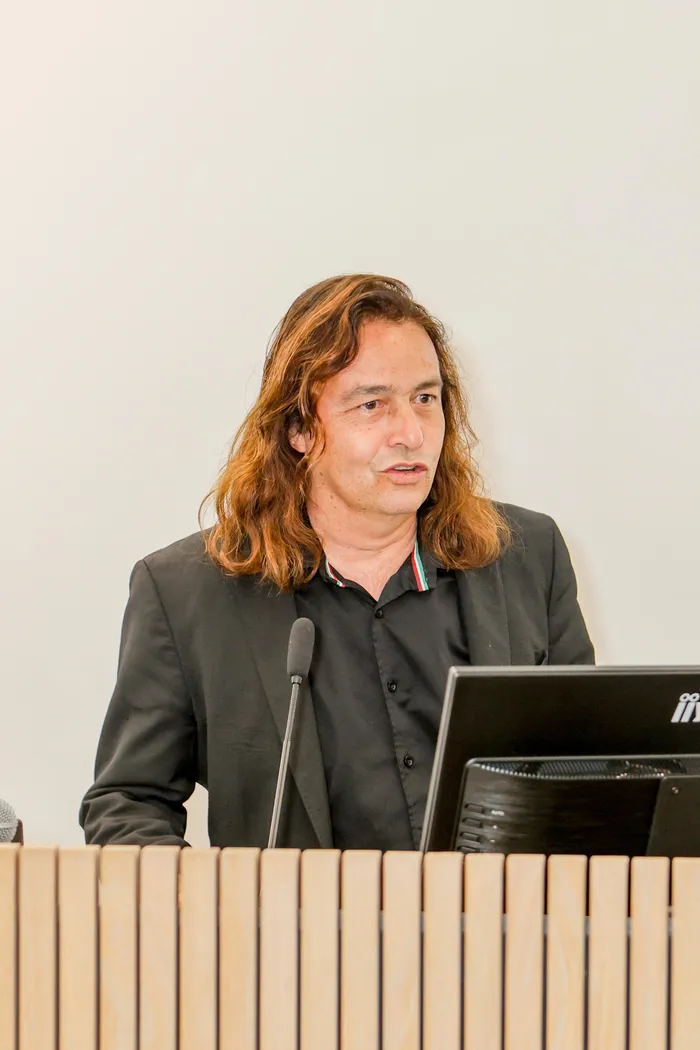
prof. Tulio de Oliveira
Image: Supplied
The Western Cape: a hub for biotech and health tech
Identifying the Western Cape as a pivotal hub for biotech and health tech, De Oliveira pointed to the region's world-class universities, well-governed cities, access to capital, and an inherent entrepreneurial spirit. "This is the ideal environment for cultivating Africa’s biotech industry," he affirmed, while encouraging participants to facilitate the commercialisation of biomedical science and nurture a collaborative ecosystem.
De Oliveira noted that commercialisation is not a distant vision but is currently underway with LaunchLab CERIBIO, which supports ten biotech companies, many already employing numerous individuals and bringing innovative products to market.
Panel discussions: from lab to market
The day continued with a panel discussion moderated by Mandi Swanepoel from Wesgro, themed, “From Lab to Market in South Africa: Scaling Health Innovations for Africa and the World.” Renowned panellists, including Dominic Nicholas from Immobazyme, Prof Sudesh Sivarasu from UCT's Bioengineering department, Eugene Smit from the Stellenbosch Nanofiber Company, and Prof Petro Terblanche from Afrigen, shared their transformative journeys from initial conception to market introduction.
Terblanche set forth a clear mission for his organisation, stating, “We were established not simply to develop a product, but to fulfil a purpose: localising vaccine production.” Nicholas echoed these sentiments, expressing the aspiration to shift drug production to Africa, a vital endeavour given the continent's reliance on imported pharmaceuticals. “That mission drives us daily, and our greatest asset is our dedicated team,” he said.
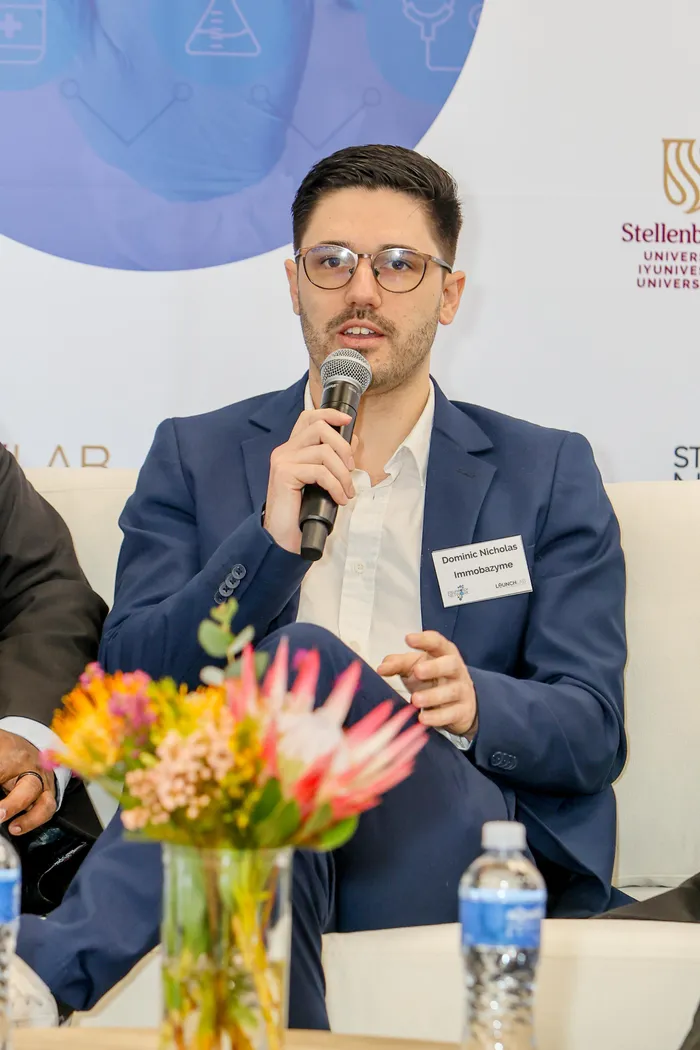
Dominic Nicholas from Immobazyme
Image: Supplied
Sivarasu provided insights into the trial-and-error nature of MedTech innovation, recalling a bold attempt to create a device for stroke patients that ultimately failed but provided essential learning experiences. “The key is to involve decision-makers, like clinicians, right from the outset, while always focusing on the end user,” he elaborated. Smit further commented on the complexities of turning lab innovations into viable market solutions, noting that while technical developments may be straightforward, the real challenge lies in effective commercialisation.
Innovation pitches: showcasing cutting-edge solutions
A series of exciting innovation pitches followed, with Joel Philpott from Khaya HealthTech unveiling a promising device aimed at treating sleep apnoea. Prof Novel Chegou introduced a biomarker-based point-of-care TB test, developed in collaboration with LaunchLab CERIBIO. Tegan van der Merwe showcased PhagoFlux's innovative cellular health monitoring test, and Louise Fourie presented an AI-driven tool from Oncolign aimed at personalising oncological treatments.
Global HealthTech trends: keeping pace with innovation
The second panel discussion, titled “Global HealthTech Trends and Local Relevance: Are We Keeping Up or Outpacing?” was moderated by Maambele Khosa from CERI. It featured Dr Ross Vermeulen from Fluorobiotech, Dirk Wagener from Stone Three, Dr Kirsten Miller-Duys from Hyrax Bio, and Kingstone Nihaka from Plasmigene. During this discussion, Miller-Duys articulated the need for technology tailored to rural African clinics, emphasising, “the shift towards point-of-care diagnostics is crucial.” Wagener posed essential questions about leveraging AI for local needs, while Nihaka stressed the importance of data-driven strategies to mitigate disparities in health tech. Vermeulen concluded the discussion by urging a shift from foreign models to local innovation efficiency.
A dynamic assembly of talent
The excitement was palpable as pioneering researchers and spinouts took their turn to present transformative concepts. John Paul Makumbi from MicroBiome Solutions shared an initiative for the early detection of chronic diseases, while Amohetsoe Shale showcased an affordable polycentric prosthetic knee. Vermeulen examined the prospects of mRNA vaccines, and Simone Turner from Biocode Technologies introduced an innovative microclot blood test with the potential to detect hidden vascular damage, particularly benefitting long COVID patients.
The Cape HealthTech Connect event proved to be a dynamic assembly of talent determined to shape the future of health in Africa. With over 50 health-focused companies and startups present, Kennedy Mulungu from the African STARS Fellowship relayed his excitement: “It was an honour to witness such a gathering, fostering connections and advancements in African healthcare.”
Building momentum for future initiatives
Concluding the day's proceedings, Brandon Paschal, who leads the LaunchLab at SU, energised attendees with a passionate call to action: “We are leapfrogging into the future! It’s imperative to showcase the groundbreaking work emerging from Cape Town’s health innovation sector.” With 120 tickets sold and 150 attendees present, the success of this inaugural event underscored the potent demand for collaborative HealthTech innovation in the region. “Today was about building momentum for our initiatives,” Paschal added, eager to see the growth trajectory of this collaborative movement.
Echoing the event’s triumph, Hanli Brink from Stellenbosch Network remarked, “Gathering entrepreneurs, innovators, researchers, funders, and healthcare leaders in one space to share knowledge and collaborate is exhilarating. I can’t wait to see what the next one brings.”