VectorGrid-Africa: a groundbreaking initiative to combat mosquito-borne diseases in Africa


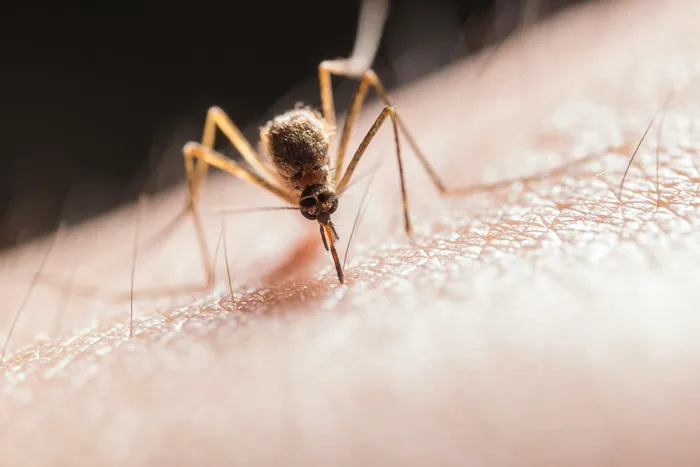
The University of the Witwatersrand (Wits) have joined forces to launch VectorGrid-Africa, the continent’s first interconnected mosquito observatory network.
Image: Pexels/Jimmy Chan
Africa bears the heavy burden of mosquito-borne diseases, predominantly driven by climate change that accelerates the spread of disease-carrying vectors. In South Africa, a significant malaria outbreak from 1999 to 2000, which rapidly proliferated from neighbouring countries, serves as a stark reminder of the region's vulnerability. The epidemic underscored the necessity for accurate predictions regarding future outbreaks and the identification of high-risk areas through steadfast surveillance and keen ecological modelling.
South Africa is not just prone to malaria; it is also endemic to various mosquito-borne viruses, including the West Nile virus and Rift Valley Fever. These diseases can lead to recurrent epidemics in both humans and animals, especially following extreme climatic events. However, many cases go unnoticed, remaining underreported, which complicates the country's public health efforts.
In a promising collaborative effort, researchers from the University of the Witwatersrand (Wits) have joined forces to launch VectorGrid-Africa, the continent’s first interconnected mosquito observatory network. This ambitious €6.1 million (R125 million) initiative, spearheaded by the University of Glasgow and funded by the EU’s HORIZON/EDCTP programme, spans five countries: Tanzania, Kenya, Mozambique, South Africa, and Madagascar.
The project aims to establish advanced monitoring sites that will capture high-quality, open-access data on mosquito species along with the environmental variables that influence vector dynamics. This meticulous approach will facilitate the identification of mosquito species capable of transmitting diseases, ultimately aiding in the swift forecasting of outbreaks.
Leading the South African component of this important research project are Wits scientists Professors Lizette Koekemoer and Marietjie Venter. Their efforts will be concentrated in strategically selected sentinel sites across malaria-endemic provinces—Limpopo, Mpumalanga, parts of KwaZulu-Natal, and areas within Gauteng—regions frequently beset by arbovirus outbreaks.
“Understanding how human behaviour, environment, and other factors contribute to vector-risk exposure is crucial for grasping the complex transmission cycles,” explained Koekemoer. This understanding becomes even more pertinent considering the region's environmental challenges—heavy rainfall and flooding serve as catalysts for the spread of arboviruses carried by birds, livestock, and wildlife. As such, the need for effective detection of both endemic and emerging diseases has never been more urgent.
The Wits research team will also employ the newly constructed Biosafety Level-3 (BSL-3) laboratory at the Wits BioHub to amplify their capacity to investigate vector-borne and zoonotic diseases amidst the realities of climate change in Africa.
The VectorGrid-Africa initiative addresses a critical gap in Africa’s public health infrastructure: the lack of sustainable surveillance data is a barrier to long-term preparedness for epidemics and pandemics. With mosquito vectors often underestimated across the continent, the data generated by this project will play a vital role in refining interventions and reallocating resources effectively to curb disease transmission.
A collaborative bond will be forged with various African Ministries of Health and research institutes, facilitating a dynamic exchange of skills and expanding the pool of trained professionals equipped to tackle this health crisis. Designed to be locally managed, VectorGrid-Africa guarantees long-term sustainability and ownership by African institutions, nurturing a sense of community and resilience.
“Wits is honoured to be part of this transformative initiative. VectorGrid-Africa will not only enhance our understanding of mosquito-borne diseases but also empower African scientists to lead the charge in developing sustainable, locally driven solutions,”said Professor Marietjie Venter enthusiastically.