How the SAT-CARe initiative is transforming tree planting strategies in Southern Africa


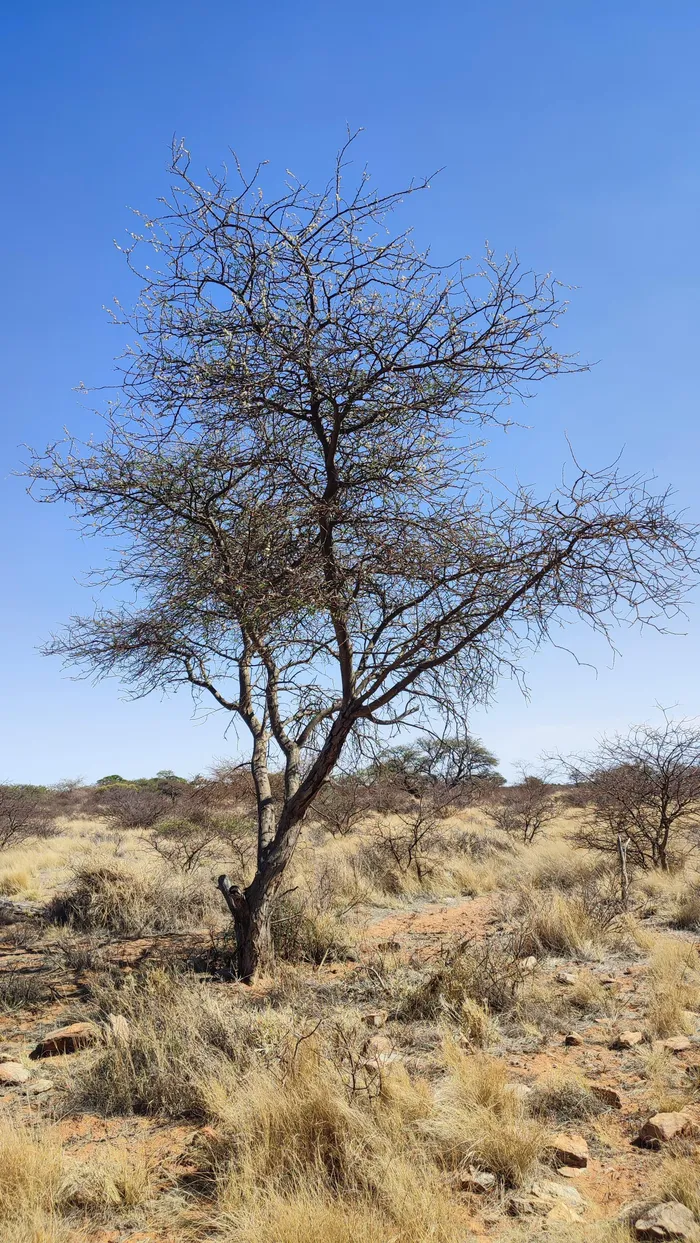
Camel Thorn, Tswalu, South Africa.
Image: Heath Beckett
In the face of escalating climate change, tree planting has often been touted as an effective remedy. However, in Africa, indiscriminate tree planting can backfire, disrupting biodiverse grasslands, diminishing water resources, and jeopardising local livelihoods. Addressing these issues head-on is the Southern African Trees for Climate Adaptation and Resilience (SAT-CARe) project, a groundbreaking initiative spearheaded by Stellenbosch University and a coalition of researchers from various institutions across the region.
The core aim of the SAT-CARe project is to create an open-access digital toolkit designed specifically to guide the strategic use of indigenous tree species in Southern Africa. By harnessing a wealth of environmental data, ranging from climate and soil conditions to specific species traits, this toolkit will empower policymakers, farmers, and urban planners to make informed decisions regarding reforestation, urban greening, ecological restoration, and livelihood enhancement.
Professor Guy Midgley, Director of SU’s School for Climate Studies, highlights the dangers of poorly guided tree planting efforts. “Tree planting is often presented as a cure-all for climate change,” he remarked.
“But planting the wrong trees in the wrong places can actually reduce biodiversity, threaten water security, and damage livelihoods. We need science-based, locally informed decisions.” Midgley warned of what he termed Africa's "afforestation problem," whereby the inappropriate introduction of woody plants can encroach upon grasslands, exacerbated by rising carbon dioxide levels and ill-conceived external tree-planting schemes.
“We see these big greening trends across our subcontinent,” Midgley explained. “It chokes up grasslands with shrubs, destroys people’s livelihoods, and potentially increases water use.” He asserts that this challenge is distinct to Africa and necessitates locally tailored solutions rather than blanket approaches borrowed from northern hemisphere strategies.
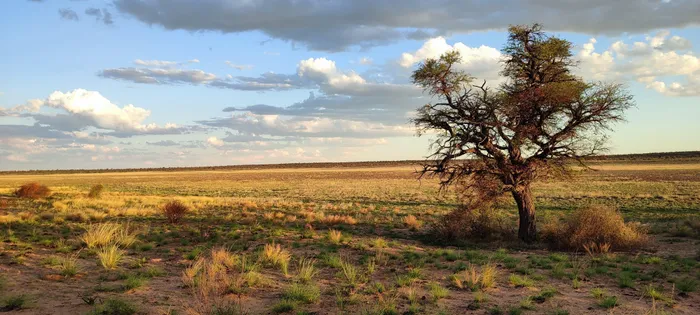
Camel Thorn, Kgalagadi, Botswana.
Image: Heath Beckett
At the heart of SAT-CARe's mission lies the importance of utilising indigenous species to suit local ecosystems. Midgley poses an essential question: “Why are we planting alien tree species in our valuable catchments, where they consume excessive water, alter soil composition, and even fuel intense wildfires?” By identifying the indigenous tree species best suited to specific landscapes, both now and as climate shifts in the future, the project seeks to restore balance to the ecosystem.
Iconic African trees, such as the baobab, marula, mopane, sausage tree, miombo, and yellowwood, are among the focus points of this initiative. With the help of sophisticated bioinformatics, the satellite toolkit will aid farmers in determining which trees are most effective for drought resilience, fruit production, or livestock fodder. Urban planners can also leverage this data to select tree species that enhance shade and improve air quality without depleting scarce water resources.
Collaboration is key; the SAT-CARe project gathers insights and data from researchers across Southern Africa, encompassing Botswana, Mozambique, Namibia, Zambia, Zimbabwe, and contributions from Kenya. The pilot models will span a range of ecosystems, from savannas to montane forests, aiming to create scalable guidance applicable throughout the continent.
To be successful, SAT-CARe's approach necessitates integrating climate data, soil compositions, CO₂ levels, and wildfire patterns with tree traits and socio-economic indicators. “This is not just a data exercise for scientists,” asserted Professor Kanshu Rajaratnam, Director of SU’s School for Data Science and Computational Thinking. “We are building models that can be used by policymakers and communities. Our goal is a digital toolkit that is as open and usable as possible.”
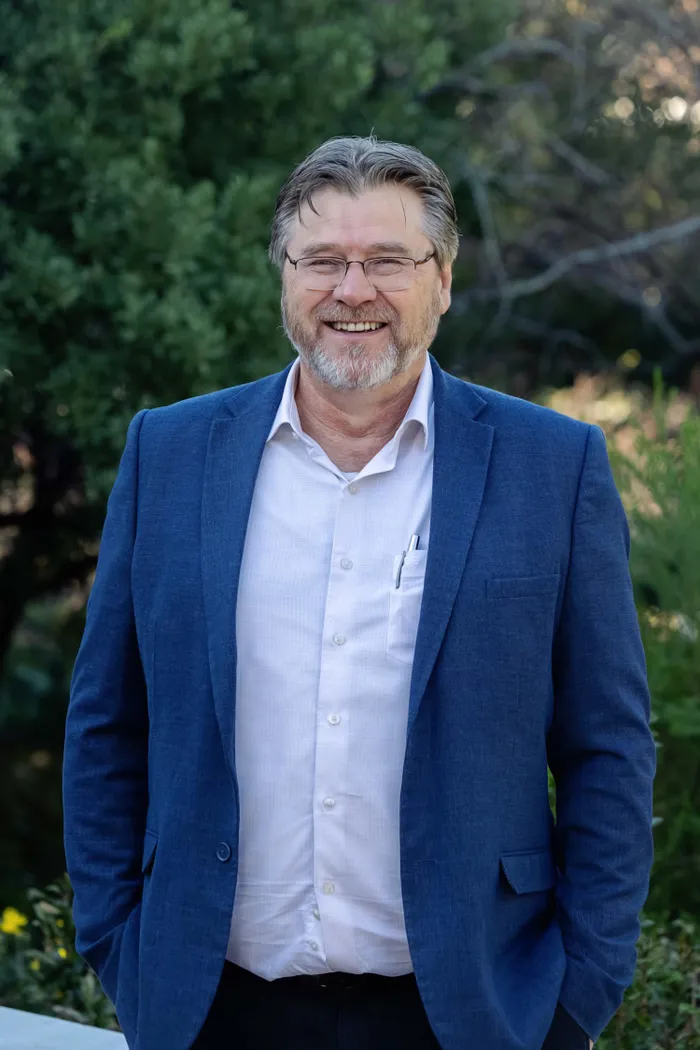
Guy Midgley
Image: Henk Oets
Dr Jan Greyling of SU’s Faculty of AgriSciences elaborated on the functionality of the toolkit: “The idea is that users would simply type in a species name, select a climate scenario, and generate a map showing where a target tree species is likely to thrive.”
Through SAT-CARe, Midgley envisions a transformative shift in African climate resilience. “Africa receives less than 3% of international funding for climate change science, and of that, about half goes to non-African scientists. So, this continent is extremely vulnerable because we are not funded to do the fundamental science that we need.” In contrast, SAT-CARe is part of a collaborative effort termed the Africa–Europe Cluster of Research Excellence on Nature-Based Solutions for Climate Change Adaptation and Mitigation, coordinated by the African Research Universities Alliance (ARUA) and The Guild of European Research-Intensive Universities.
"SAT-CARe is not just about trees in Southern Africa. It’s about African researchers taking the lead in generating knowledge that is locally grounded but globally relevant,” Midgley insisted.
As the initiative progresses, it promises not only a systematic approach to tree planting but also the empowerment of local stakeholders to forge a resilient future amid the challenges posed by climate change.