Celebrating World Conservation Day: South Africa's commitment to biodiversity


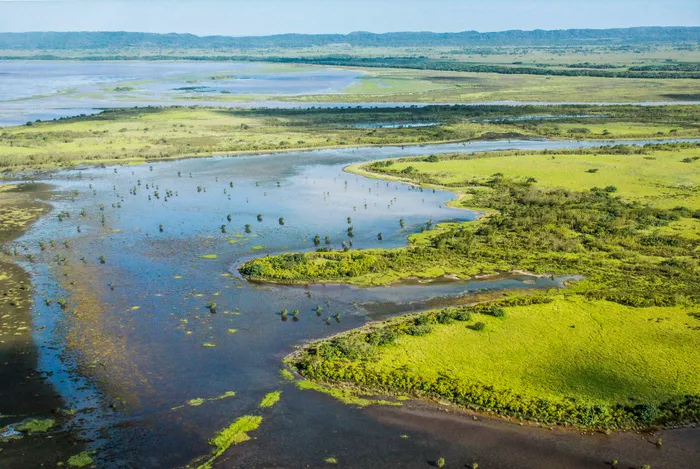
The iSimangaliso Wetland Park is one of KwaZulu-Natal's hives of biodiversity.
Image: iSimangaliso Wetland Park
On World Conservation Day, the South African National Biodiversity Institute (SANBI) joined the global community in emphasising the crucial need for conserving our planet’s natural resources and biodiversity. Observed annually on 28 July, this day serves as a poignant reminder that a healthy environment is fundamental to a robust society.
As global populations approach eight billion today, with projections indicating over nine billion by 2037, the pressure on the planet’s natural systems has reached unprecedented levels. Critical resources such as air, water, soil, minerals, and biodiversity are being consumed at an unsustainable pace, threatening the delicate balance that sustains life on Earth.
In a bid to combat this escalating crisis, one of the most effective strategies has been the identification and management of Key Biodiversity Areas (KBAs). These critical sites play a vital role in promoting the global persistence of biodiversity. KBAs are recognised as the most significant locations on Earth for a variety of species and their habitats across terrestrial, freshwater, coastal, and marine ecosystems.
In South Africa, the KBA programme is a collaborative initiative led by SANBI and BirdLife South Africa, bringing together a host of conservation experts, researchers, and institutions. Since 2017, the country has undertaken a comprehensive and scientifically rigorous process to reassess and update its list of KBAs, aligning with internationally agreed standards.
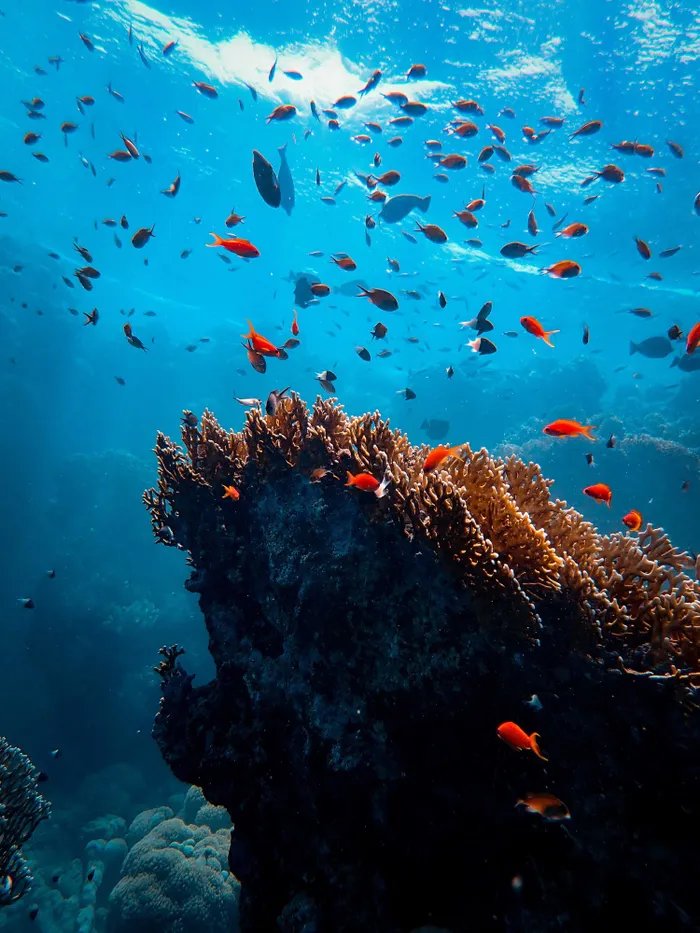
The discovery of Cephalostatin-1 highlights the untapped potential of South Africa's marine biodiversity and underscores the need to preserve these waters.
Image: File / Pexels
Notably, South Africa has the honour of being the first country in the world to apply all eleven global KBA criteria, reaffirming its leadership in biodiversity science and policy. In 2024, the KBA Secretariat approved a remarkable 263 terrestrial sites across the nation. These areas were selected based on the presence of specific species and ecosystems deemed vital for global biodiversity, known as “triggers.”
A total of 3,486 species and 323 ecosystems contributed to the qualification of these areas as KBAs, which encompass diverse landscapes, ranging from the endemic Fynbos of the Kogelberg to the seabird breeding colonies of the Prince Edward Islands, all covering more than 357,000 km².
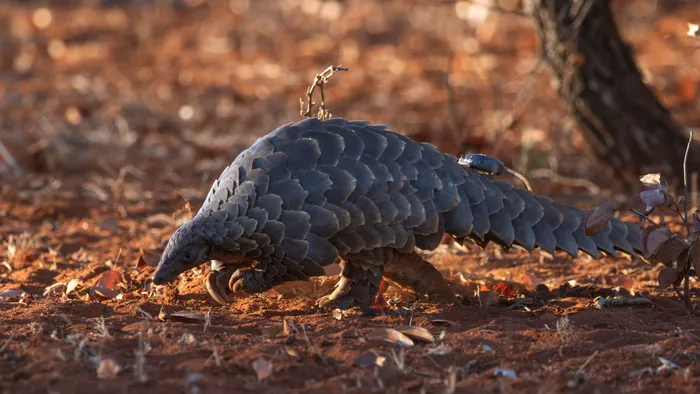
Pangolins are now the world’s most illegally traded wild mammal with more than a million poached over the past decade.
Image: Alexis Kriel
The significance of these sites extends beyond national borders; they are invaluable treasures with global importance. They provide an international framework that prioritises conservation efforts and guides decision-makers, land managers, and communities in protecting the ecosystems that matter most.
As South Africa celebrated World Conservation Day, SANBI reaffirmed its unwavering commitment to science-based conservation, encouraging public awareness on the sustainable use of natural resources. The ongoing identification and management of KBAs remains a crucial endeavour to safeguard the nation’s megadiverse natural heritage for the benefit of future generations.