Thyroid disease linked to genetics
|Published
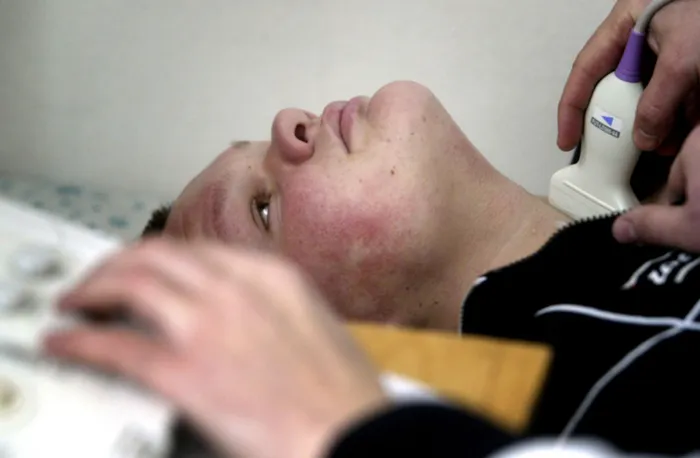
Thyroid awareness. file image
Cape Town - As International Thyroid Awareness Week came to an end, very little is known about the disease, particularly the fact that genetics plays a large role, affecting about 200 million people globally.
Kerry Simpson of Mantis Communications said thyroid disorders were common, and your genetics can influence your risk of developing it.
She said it was important to know your family history to understand this condition better.
The thyroid is a butterfly-shaped gland located in the front of the neck wrapped around the windpipe. The thyroid gland produces hormones that affect growth and development and regulate the body’s metabolism.
An estimated 200 million people worldwide are affected by thyroid disorders.
Symptoms can be wide-ranging and can have a debilitating effect on your quality of life.
There are two main types of thyroid disease.
Simpson explained when the thyroid is over-active and makes too much thyroid hormone, this can result in a condition called hyperthyroidism, and when the thyroid is under-active, too little thyroid hormone is made, and this is called hypothyroidism.
She said hypothyroidism most commonly occurs due to autoimmune damage of the thyroid gland. However, it can also arise as a consequence of iodine deficiency or exposure to radiation, among other causes.
Simpson added that many did not know that genetics had a role to play.
“One of the main risk factors for developing a thyroid disorder lies in your genes,” she added.
“In fact, researchers have discovered the majority of thyroid disorders are influenced by your genetics – which means they can be inherited or passed down between family members.”
She explained the ways in which thyroid disorders can impact your health and wellbeing include fatigue, muscle weakness, sleep issues, anxiety, depression, problems with vision and menstrual cycle issues.
Dr Sindeep Bhana, Head of Endocrinology at Chris Hani Baragwanath Hospital and a specialist in thyroid disease, said: “The loss of the outer third of the eyebrows, particularly in women, is the only symptom that is truly specific to thyroid disease.”
A thyroid disorder is tested through a thyroid function test, and is done through a simple blood test, which is then analysed for certain levels of thyroid hormones.
Dr Bhana recommends a thyroid function test for young women who are experiencing menstrual problems, have a history of miscarriage or are not falling pregnant.
“Children who are not growing and are falling behind in school and people with a goitre – a fullness in the neck that is a sign of an enlarged thyroid who have a family history of thyroid disease, should also get tested,” said Dr Bhana.