Tattoo culture taking off
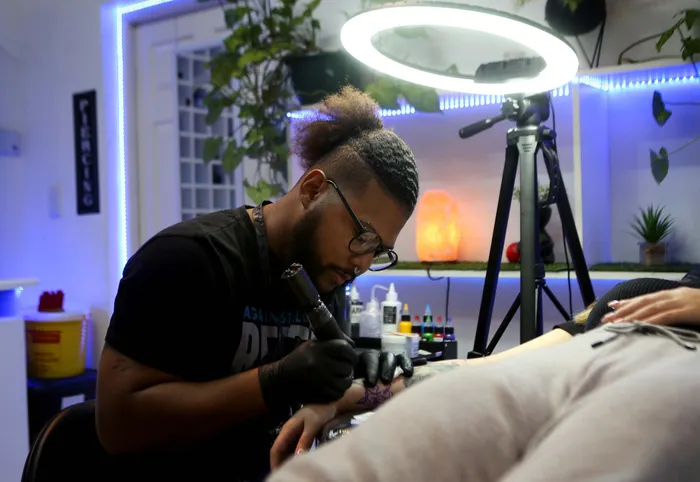
Nashwyn Paulsen busy tattooing one of his clients at Blake Ink. l BRENDAN MAGAAR/AFRICAN NEWS AGENCY (ANA)
Tattoo culture has been around for centuries, with tattoos having various meanings for those that subjected themselves to the pain of bearing the artwork on different parts of their bodies.
Tattoos have been believed to have cultural, religious or even healing powers. In some parts of the world, they are used as a marker to identify which tribe your are from, or even how many battles a warrior has won.
In the Nagaland tribe in the north-eastern region of India, certain tribe members get tattooed so that they can be recognised by family members in the afterlife when they die.
Over the years tattoos and the cultural meaning behind them have faded. Now it seems that the tattoo culture is picking up as more and more people want a tattoo.
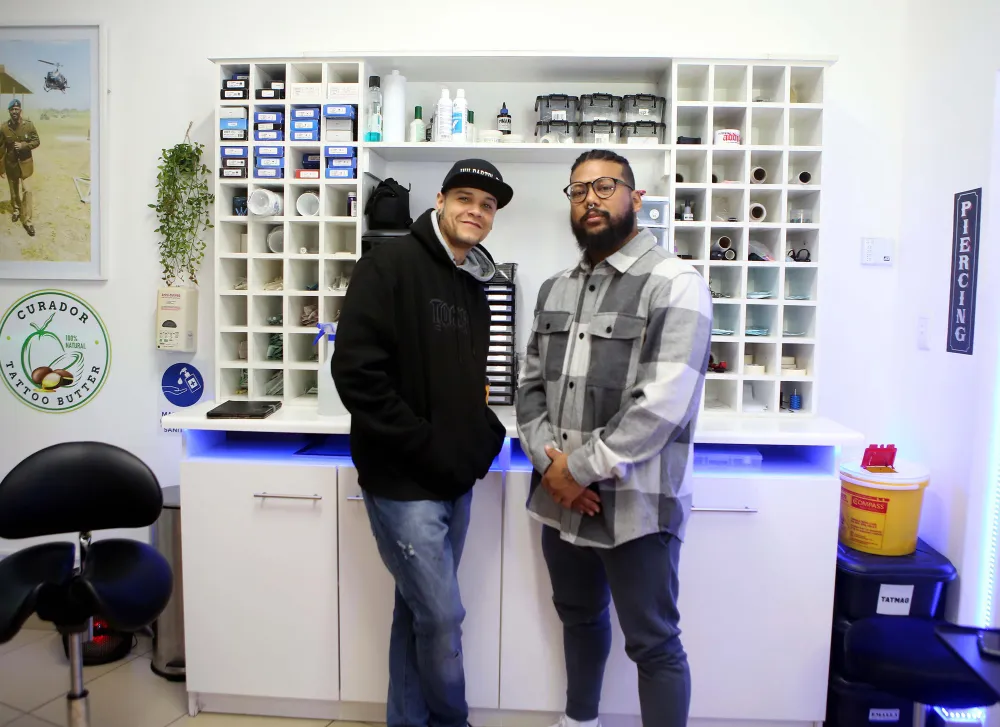
Leigh Atcheson who has been a tattoo artist for 12 years said he became an artist because art has always been a part of his life.
“Tattooing is a sustainable form of doing my art everyday.”
Atcheson, from Blake Ink in Observatory, said during his time as a tattoo artist he has seen an increase in people wanting tattoos.
“Tattoos has become more broadly accepted. These days you have CEOs of big companies who have full body tattoos under their suits; more people are doing it.”

Nashwyn Paulsen who worked for the South African National Defence Force for 10 years decided to leave the force and follow his passion and start Blake Ink Tattoo and piercing studio.
“I have done many tattoos over the years. I did my very first tattoo when I was 16 years old. Even in the army, I would be the guy people come to for their tattoos."
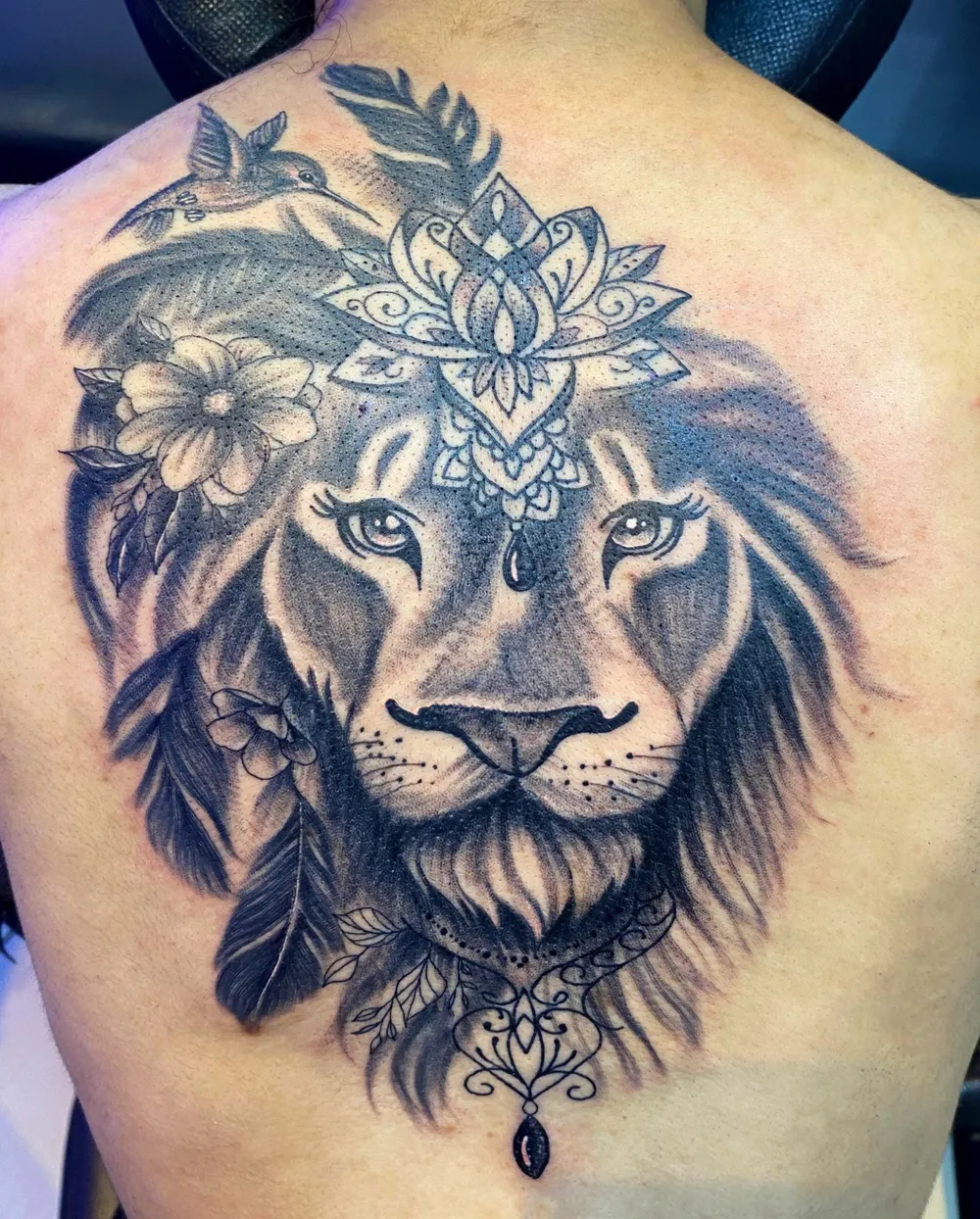
As the times have changed, the types of tattoos people want have also changed, and artists are faced with varying challenges, he said.
“Realism; I definitely find this very challenging. To make a lion or person look as realistic as possible will always be a challenging task, but like everything else, you get better at it the more you do it. I will never be a master of it; by no means do I consider myself to be the best, but I keep learning.”
With the rise in the demand for tattoos designs and placements, he admitted that he has declined some requests.
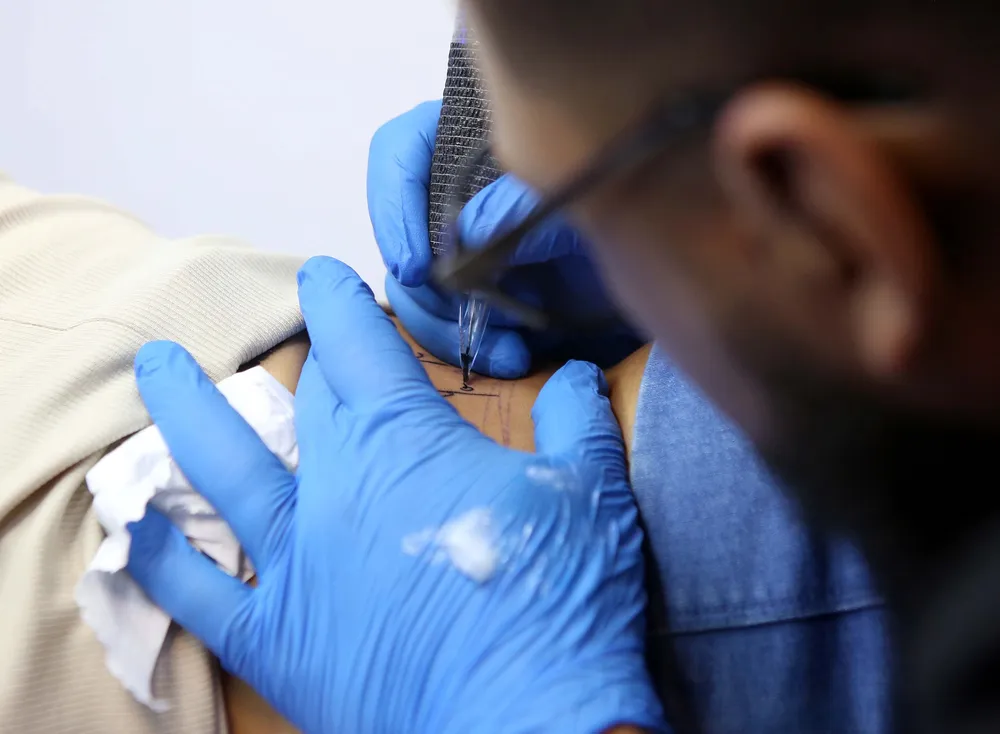
“I have declined doing tattoos before, especially with a young person that maybe just turned 18 and has not yet experienced life. Sometimes they would want a tattoo done in a very visible place like a face or neck tattoo but as an experienced tattoo artist I know that they will regret it as they get older and maybe has to apply for work etc.
“I would rather advise them to get something that is not as visible, or start off with something small because society still does not fully accept it.”
He added that those that want tattoos should think long and hard about it and not just do it for the sake of following trends.
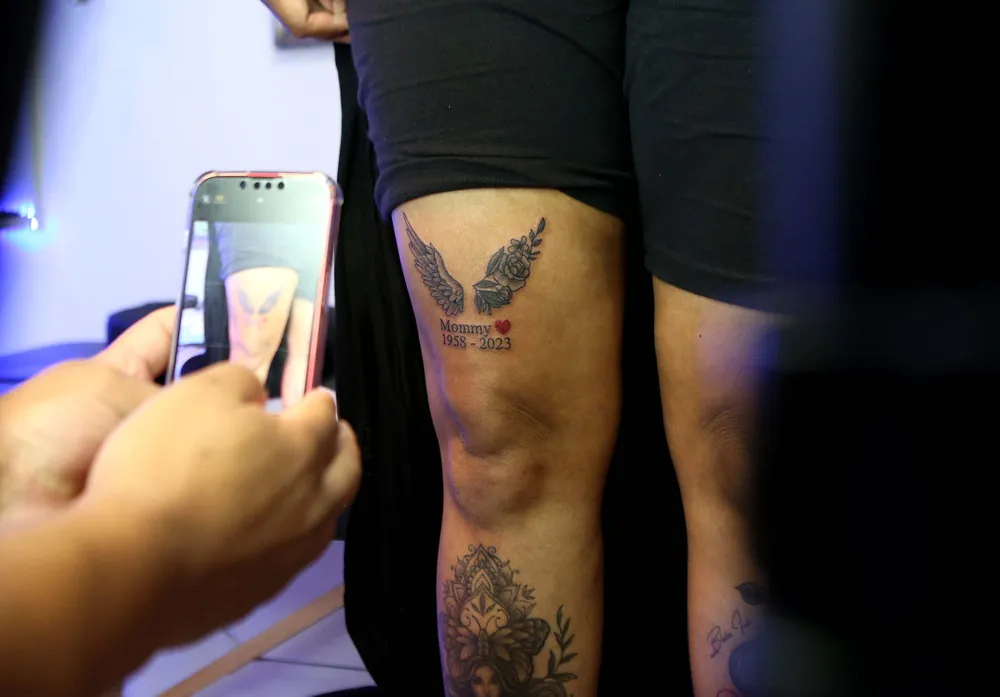
“The musicians and some people that have made it in the entertainment industry that young people look up to might have the face tattoos, but they have the money along with the success. Young people must still get there; so think about it and maybe start off with a smaller tattoo” said Nashwyn.