Men called on to take stand against GBV in new campaign
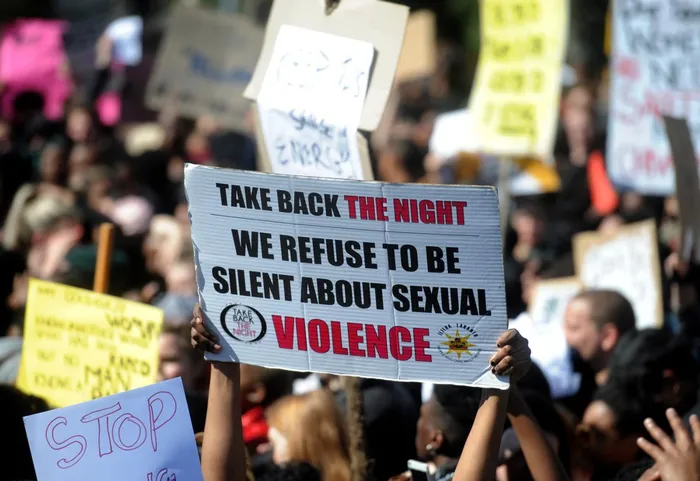
Men are called to take a stand against GBV. Photographer Ayanda Ndamane/African News Agency(ana)
Cape Town - Through their newly launched media campaign, the Western Cape Social Development department called on men to play their part in addressing gender-based violence (GBV).
Through a statement, the department said to make a difference, we must start addressing the root causes of GBV, which are plenty and complex, and among these are intergenerational abuse and sustained exposure to violence.
“This spans race, income bracket and geographic location. Gender-based violence is often described as a cycle of abuse, as many men who were abused as children may become abusive themselves,” reads the statement.
It said the campaign, which will be broadcast on multiple platforms, will follow the life cycle of a man who was exposed to violence and abuse throughout his life. Recognising that he’s about to repeat the cycle with his own family, he seeks help.
Premier Alan Winde and MEC of Social Development Sharna Fernandez launched the campaign with participants of the FAMSA Fatherhood Programme in Khayelitsha last week to correspond with the launch of the media campaign. The programme deals with issues such as parenting, masculinity, gender norms, and anger management.
Winde said It is critical for men who have been exposed to violence or were victims themselves in their youth to seek help and not be afraid.
“Put your pride to one side. Speak to a relative or a friend. Seek professional help by accessing services offered by our Department of Social Development. You are not alone. Speak up and speak out. By opening up about their trauma, they can end the cycle of abuse and start a cycle of healing. They can become positive role models for other generations of young boys,” said Winde.
According to the department, after listening to the radio adverts and watching the video, participants shared how the story and characters resonated with them because of their own experiences of either having lived through violence in their own homes or knowing about it happening in their communities.
One of those participants, Xolani Mcoyana, said the video was a mirror to society and emphasised that gender stereotypes must be dismantled.
“It is very important for men to take a stand against gender-based violence. The minute we look the other way, the problem starts,” said Mcoyana.
FAMSA facilitator, Chuma Mangxa, said that to bring about change, men needed to address the root causes.
“Boys are taught to not speak about their feelings, to be ‘strong’ and bottle up their emotions, and also not taught how to appropriately manage their anger,” said Mangxa.
He said that gender norms had to be challenged and that men must be encouraged to speak about their feelings and how to deal with anger. Importantly, he added that men needed to encourage other men to seek help.