The race to save the rhino from extinction
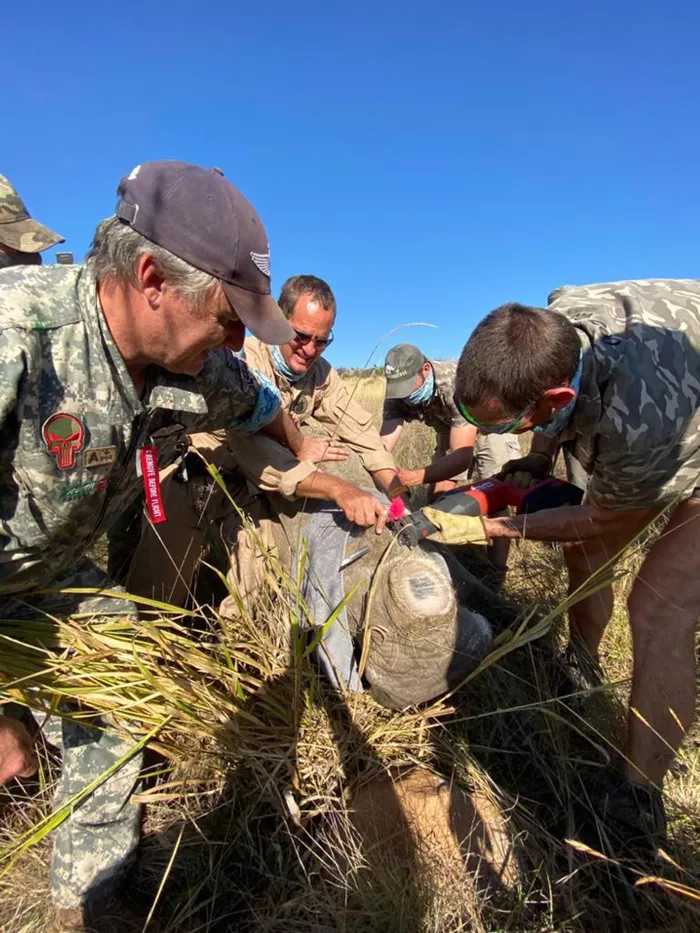
Cape Town - As volunteers and conservationists race against time to try and save rhinos, one organisation believes the species will disappear within the next 10 years if more is not done to combat poaching.
Nico Jacobs, founder of Rhino 911, believes there are only about 4 000 black rhinos and 13 000 white rhinos left in southern Africa.
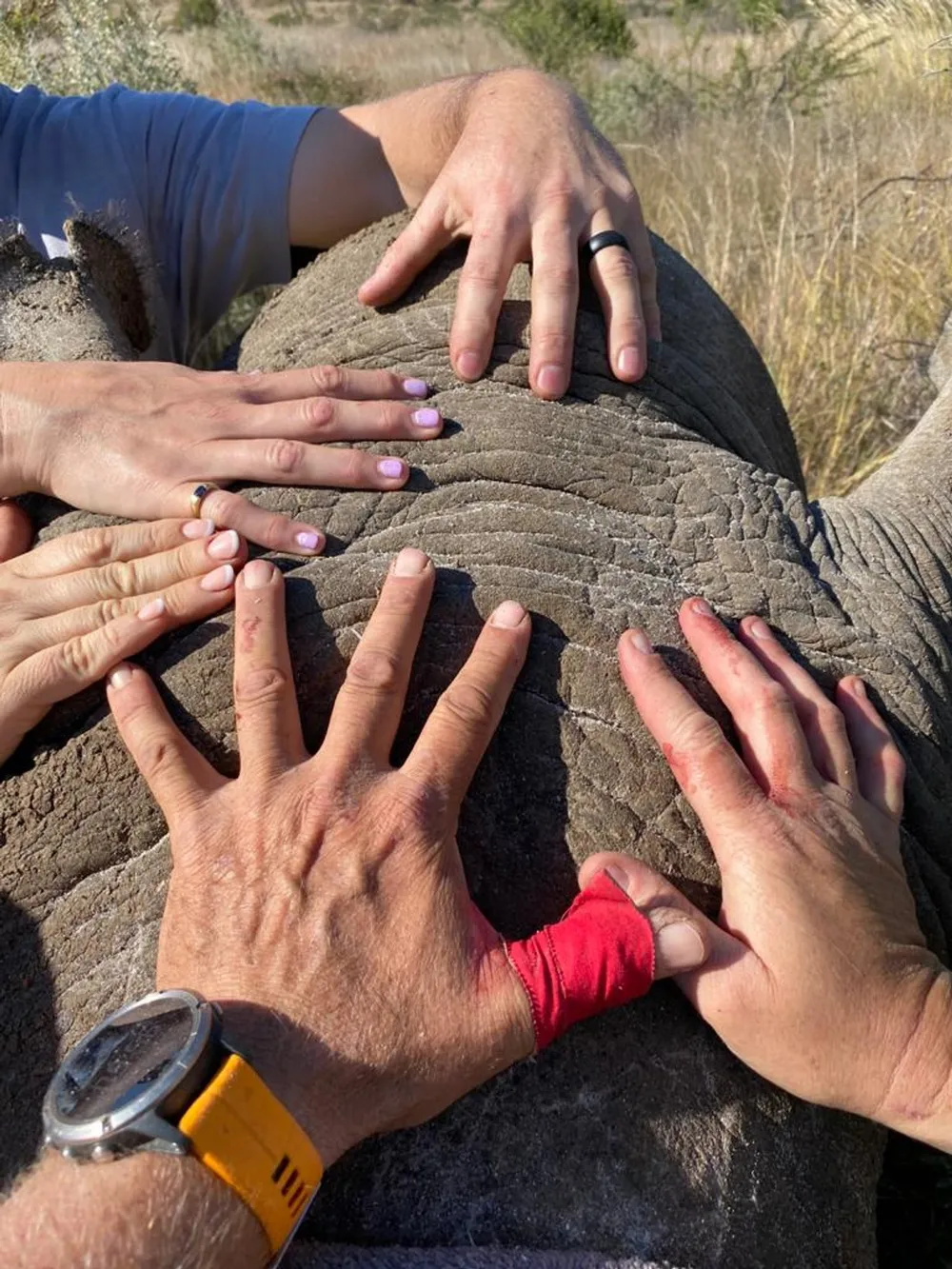
Rhino 911 is a non-profit organisation established for the protection of the species in South Africa.
Jacobs and his team, who are all volunteers, are racing against time in a bid to save the species and conserve the rhino, which is often shot for its horn in a belief that it has medicinal benefits.
Last year, 451 rhino were poached in South Africa – 327 within government-run reserves and 124 on private property.
According to savetherhino.org, South Africa holds most of the world’s rhinos. More than 1 000 rhinos were killed each year between 2013 and 2017.
Jacobs is now on a continuous mission to educate the youth about trimming rhino horns, during workshops held with wildlife veterinarians.
The trimming aids in the preservation of the rhino and buys time for the species.
Conservationists are often faced with a sad situation, such as a calf left alone after its parents were shot by poachers.
Jacobs said trimming horns prolonged the lives of rhinos and saved their lives. The horns take about three years to regrow.
“In the parks and private reserves the rhino carry on without their horns. The challenge is to de-horn the whole reserve or park in the shortest amount of time.
“There have been studies done on the trimming of the horn; it has very little effect... it doesn’t effect them if they do not have horns. [C]ontrary to... what other people are saying, they are doing very well. We are of the opinion that we’d rather see animals without horns than dead rhinos.
[I]t is devastating in Kruger and KwaZulu, [they] are still losing a lot of rhinos, so it its not the ultimate solution, but we do have a high success rate since we have started trimming. [W]e prefer to use the word trimming than de-horn because we are not removing the horn, we are simply trimming it and it does regrow three to four inches, and in three years the horn is regrown.“
Using videos, Jacobs showed the extreme care taken by their team, working with qualified wildlife veterinarians, in carrying out the trimming process and taking care of the species.
Rhino 911 also runs educational workshops to reinforce the message that rhino horns do not have any medicinal purposes.
“Education cannot only stay at the conversation stage,” said Jacobs, a qualified pilot who flies all over southern Africa to save rhinos.
“You need funding to educate and to tell people that there is no medicinal value in horns.
“We are very passionate about what we do, we fly hundreds to thousands of kilometres. We are losing the species in about ten years, I do not think we will succeed in saving them without the collaboration between all stakeholders.”
Jacobs said stricter sentences were needed for poachers.
“A poacher will get caught with the horn and a gun on the spot and will be granted bail, and a month later he is caught again for the same thing.
“There has to be stricter and harsher sentences.”
When Weekend Argus approached Saps and SANParks about what happened to rhino horns after they were confiscated from criminals, we were referred to the Hawks, the Directorate of Public Prosecutions, who did not respond to questions.
Instead, SANParks welcomed the sentencing of a poacher, Mike Nuathi, 39, at the Skukuza Regional Court two weeks ago.
He was convicted of 14 counts, relating to two separate cases of rhino poaching.
He was sentenced to 53 years, but will serve 23 years behind bars.
“During the police investigations it was found that he was wanted in connection with a 2017 incident and both cases were combined for trial.
“The court found him guilty on 12 of the 14 charges he was facing and sentenced him to 53 years imprisonment in total, but he will only serve 23 years as some of the sentences will run concurrently as per the judgment,” SANParks said.
Department of Forestry, Fisheries and the Environment spokesperson Albi Modise said government was working tirelessly in protecting the rhino and appealed for people to report poaching.
“Government continues to work closely with the private sector and non-governmental organisations through the Integrated Strategic Management of Rhinoceros approach and the draft National Integrated Strategy to Combat Wildlife Trafficking (NISCWT) to address rhino poaching.
South Africa remains committed to safeguarding the country’s rhino populations and will continue to work tirelessly alongside the private sector, committed NGOs as well as authorities in transit and destination countries, to combat wildlife crime.”
**Members of the public can report any suspicious activities around wildlife to its environmental crime hotline number: 0800 205 005 or the Saps number 10111.
Weekend Argus