Mattel unveils its first autistic Barbie doll, promoting inclusivity and representation


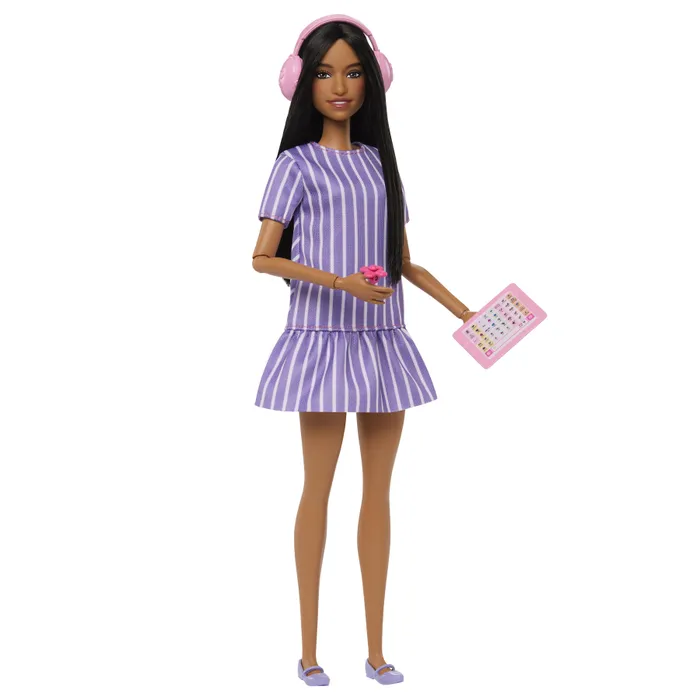
This new autistic Barbie doll by Mattel breaks barriers in representation, encouraging inclusion and understanding in play.
Image: Mattel
In a significant move towards inclusivity, Mattel, Inc. unveiled its first-ever autistic Barbie doll today, marking a milestone in the company's ongoing mission to reflect the diverse world of children. Developed in close collaboration with the Autistic Self Advocacy Network (ASAN), this doll showcases the rich tapestry of experiences that individuals on the autism spectrum may encounter. With a creation timeframe spanning over 18 months, Mattel’s design team sought input from the autistic community to ensure authenticity and relevance in representing those who are often underrepresented in media and toys.
“Barbie has always strived to reflect the world kids see and the possibilities they imagine. We're proud to introduce our first autistic Barbie as part of that ongoing work,” said Jamie Cygielman, Global Head of Dolls at Mattel. This new addition joins the ever-growing Barbie Fashionistas collection, which champions diversity through various skin tones, hair textures, body types, and now, medical conditions and disabilities.
The autistic Barbie is not just another doll; it features intentional design choices that resonate with the autistic community. The doll boasts a unique face sculpt, with elbow and wrist articulation that mimics stimming behaviours, allowing for hand flapping and gestures that many autistic individuals use to process sensory input or express emotion. Its eyes gaze slightly to the side, nodding to the common experience of avoiding direct eye contact.
Equipped with an array of sensory-friendly accessories, the doll comes with a pink finger clip fidget spinner—an engaging feature that offers a sensory outlet, pink noise-cancelling headphones to help block out background noises, and a tablet displaying symbol-based Augmentative and Alternative Communication (AAC) apps, aiding in everyday communication.
The choice of clothing also reflects consideration for sensory sensitivities; she wears a loose-fitting, purple pinstripe A-line dress designed to minimise fabric-to-skin contact, complemented with stylish purple shoes that promote stability.
Colin Killick, Executive Director of ASAN, expressed pride in being part of this historic project, reflecting on the profound importance of authentic representation for young autistic individuals. “It is so important for young autistic people to see authentic, joyful representations of themselves,” Killick said, emphasising a future where all children can dream and live proudly, knowing they are seen and valued.
As part of this launch, Barbie has partnered with advocates, including Nandi Madida, a well-known Autism advocate and founder of Africa's top parenting podcast, The Motherhood Network. Madida shared her emotional connection to the doll, highlighting its potential to foster understanding among non-autistic children about neurodiversity. “For autistic children, seeing themselves in a doll like this affirms that they are seen, valued, and understood exactly as they are," she said, pointing out the role of play in cultivating empathy and respect.
The introduction of the autistic Barbie is part of a broader trend of making the Barbie brand a more inclusive reflection of all children. Joining the ranks of other dolls representing various abilities and conditions—such as those with type 1 diabetes, Down syndrome, and blindness—this latest offering reinforces Mattel’s commitment to diversity. The entire Fashionistas collection now boasts over 175 unique looks designed to help children navigate the world beyond their immediate experiences, instilling values of understanding and compassion.
Research from Cardiff University indicates that doll play activates areas of children’s brains connected to empathy and social skills, thus illustrating the therapeutic and developmental potential of these toys. In a world increasingly aware of neurodiversity, Barbie's autistic doll sets a precedent for future toys, creating an inclusive environment where every child can feel represented and understood.
The first-ever autistic Barbie doll is now available at leading retailers nationwide, inviting children everywhere to engage in play that reflects the diverse world around them.