Street culture pioneers blaze a trail in the industry


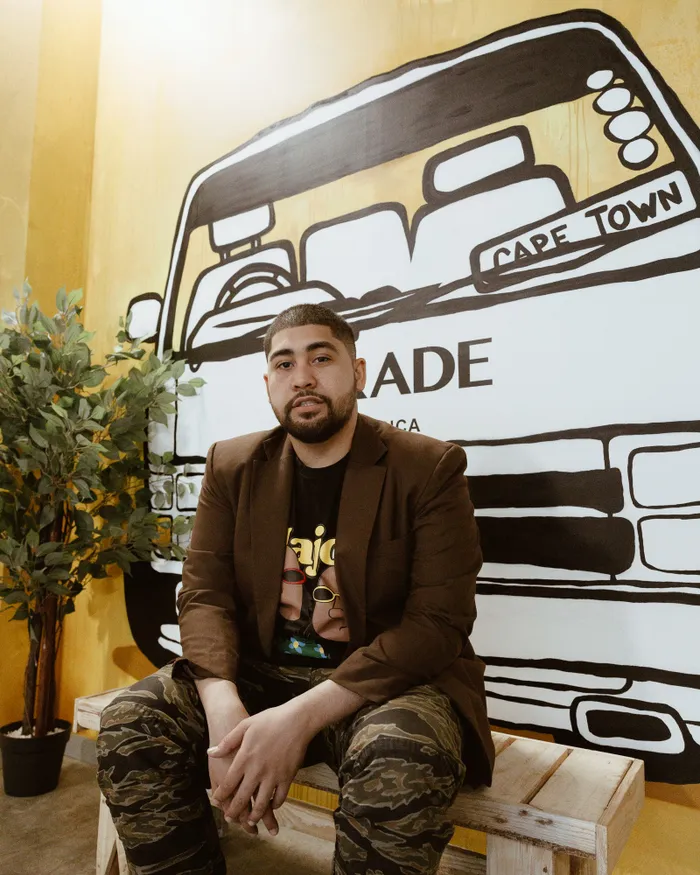
Zaid Osman is the founder of Sneaker Exchange and Grade Africa. Picture: Supplied
Street culture in South Africa has grown exponentially over the last two years and two Cape Town business men, Zaid Osman and Hayden Manuel, have played a significant role in the industry.
Osman and Manuel have contributed greatly to cementing the role of South African creatives in the culture and streetwear space.
Osman, who is the founder of Sneaker Exchange and the Grade Africa store, spent most of his life promoting streetwear culture. Osman grew up in the US before moving to Cape Town in his teens.
“I was always been intrigued by the culture. When I came to South Africa, people always wanted the shoes and clothes I was wearing,” he said,
“I wanted to grow that culture locally and that’s how Sneaker Exchange and Grade Africa began.”
Sneaker Exchange is a marketplace and community founded in 2013 for sneaker enthusiasts around the world.
Osman, 29, said he saw the need and built the space for it to grow.
“I know there is a network of like-minded people who exist within the sneaker space and I wanted those people to connect,” he said.
“Following the first event, the whole sneaker culture was ignited and everything started growing from there.”
Grade Africa is an African brand leading street style and urban lifestyle with flagship stores in Mall of Africa and the V&A Waterfront.
“I realised that we keep importing streetwear brands from overseas when we could be producing and selling our clothes that represent who we are,” he said.
“I wanted to be able to play my part in the global streetwear brand, but to be from South Africa. This is why we have had pop-ups in London and New York, to show them we have a seat at the table.”
“Authenticity brings relativity to the brand. If you look at the youth unemployment rate in South Africa in comparison to the talent in youth, it doesn’t match up,” he said.
“Many of them don’t have the space to create their part of the culture they want to be in. My ultimate goal is to bring them into the room,” he added.
“That’s why when we have events, we don’t have VIP sections. Everyone is accessible. We keep it real and not pretentious.”
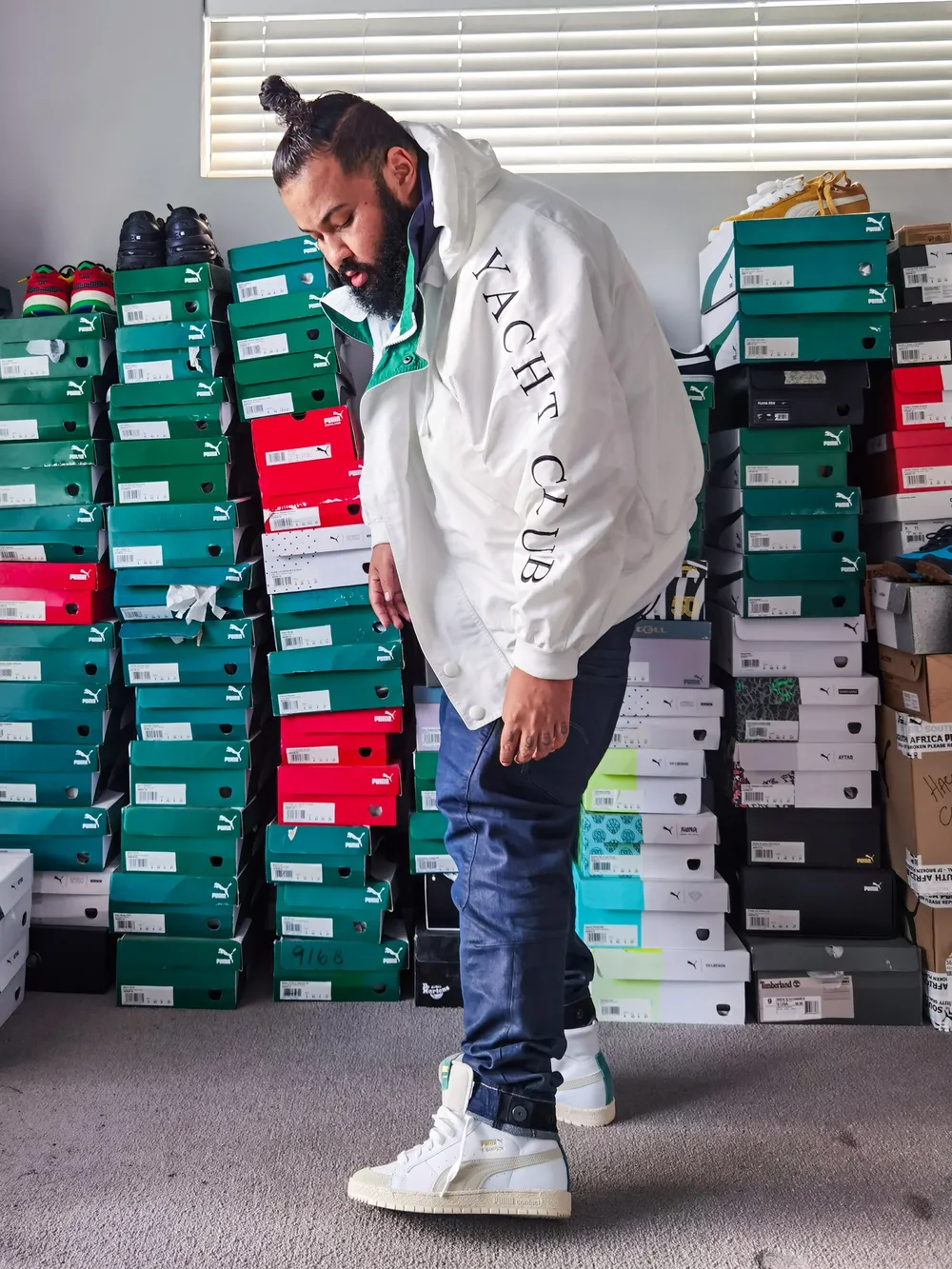
Manuel, who is the sport-style marketing manager for Puma South Africa, also consults with brands on street and youth culture across South Africa.
Manuel said he has always been a fan of streetwear and its culture in Cape Town.
“Growing up I was always hustling to get the latest sneakers and clothes. I went out of my way to have shoes imported from other countries,” he said.
Through working in the cultural space, he was afforded the job he has today.
“My job right now is to remain aware of everything happening within music, lifestyle and culture,” he said.
In his five years at the company, Manuel has created brand collaborations for artists that have helped propel their careers
“Nomzamo Mbatha, Uncle Vinny, Blxckie and Nasty C are a few people that I’ve had the pleasure of building and maintaining relationships with,” he said.
Manuel said he loves working in a space where culture exists because it cannot be manufactured.
“You cannot fake culture. This work is very rewarding, and I don’t take for granted the role I play,” he said.
“I got to be in rooms with people like Emory Jones, Jay-Z’s right hand (man), and Jeff Staple, who is an integral part of sneaker culture,” he added.
Manuel said working in the culture space has taught him many lessons.
“There is no rule book for culture, but it is important to read the room at all times. I am on my social media all day, that is my newspaper,” he said.
“It’s so important to be fluid in the way you execute tasks. As Bruce Lee said, you have to be like the water,” he added.
“The only thing reliable about culture is that it is always changing, and you have to adapt accordingly.”
To choose people to align with brands, Manuel said it’s crucial to be within the spaces in which talent operates.
“I think that’s where a lot of agencies get it wrong. They want to sit in their ivory towers and manage it from there,” he said.
“If anyone is in town, that is where you need to be. They say the most dangerous place to view the world is from your desk.”